
Companion Plants
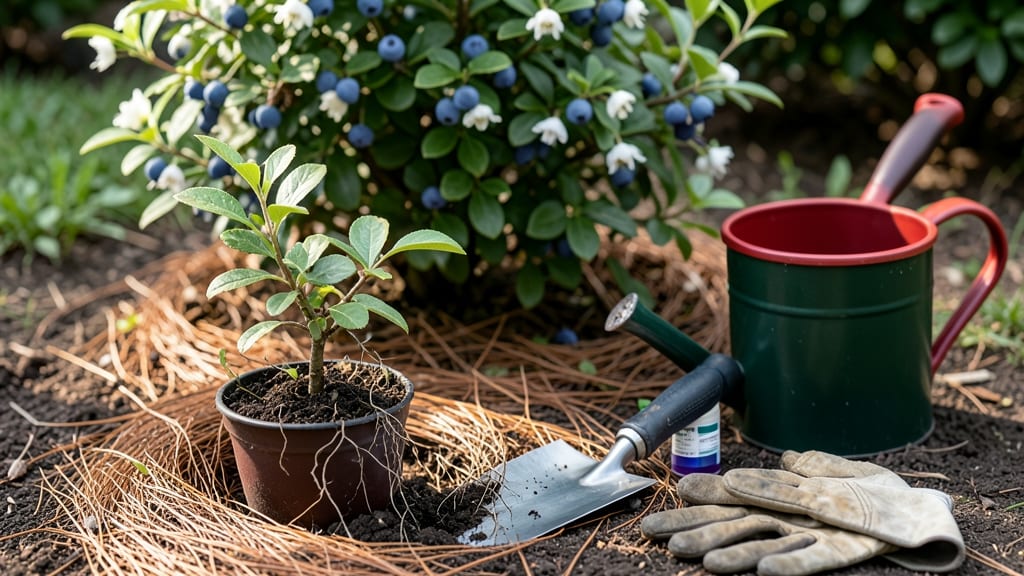
Timing your blueberry bushes planting in Pennsylvania isn’t just about the calendar—it’s about matching your plants to the region’s chill-hour requirements for those sweet, juicy berries. With PA’s diverse USDA zones (5-7), getting this right means the difference between a thriving bush and one that struggles to fruit.
Most gardeners in the Keystone State swear by spring planting—typically between April and May—when soil temperatures rise and frost risks fade. But did you know fall planting (September-October) can work too, giving roots time to establish before winter?
The key is understanding how many chill hours your blueberry variety needs to bloom reliably.
Whether you’re growing ‘Bluecrop’ or ‘Patriot’, this guide breaks down the exact windows for your zone, plus soil prep tips to set your bushes up for success. Let’s make sure your 🌱 blueberry bushes get off to the best start possible.
From avoiding late-season planting mistakes to knowing when to mulch, I’ll walk you through everything you need for a bumper crop. Ready to plant with confidence?
Best planting months in Pennsylvania based on chill hours
Pennsylvania’s USDA zones 5-7 create unique challenges for blueberry growers, where chill hours (not frost dates) determine success. Most blueberries need 600-1,000 chill hours—Pennsylvania delivers 600-1,200 annually, but timing matters. Plant too early, and roots won’t establish before winter; too late, and spring blooms may suffer from late frosts.
I’ve found that fall planting (September-October) gives roots time to establish before winter dormancy, while spring planting (April-May) works if you’re in warmer southern PA zones. The key is matching your variety’s chill needs to your zone’s natural patterns.
For example, Zone 5 (northern PA) should prioritize fall planting to avoid winter stress, while Zone 7 (southern PA) can extend spring planting into early May. Always check your last frost date—Philadelphia’s average is April 15, while Erie’s is May 10—but chill hours are the real predictor.
🌱 Pennsylvania Blueberry Planting Comparison
| USDA Zone | Chill Hours | Best Planting Window | Critical Deadline |
|---|---|---|---|
| Zone 5 (Pittsburgh, Erie) | 800-1,200 | September 15-October 15 | October 31 (before hard freeze) |
| Zone 6 (State College, Harrisburg) | 600-900 | September 1-October 30 | November 10 (before ground freeze) |
| Zone 7 (Philadelphia, Reading) | 400-700 | April 15-May 15 OR September 15-October 15 | May 31 (before summer heat) OR November 1 (before frost) |
💡 Pro Tip: Use a soil thermometer—roots need 50°F+ soil for spring planting.
Spring planting in Pennsylvania requires extra soil prep because cold, wet springs delay root growth. I recommend amending your planting hole with peat moss (to lower pH) and compost—this mimics the acidic conditions blueberries love.
For fall plantings, focus on mulching heavily (4-6 inches of pine straw) to protect roots during winter temperature swings.
One mistake I see often is planting late-summer varieties (like 'Bluecrop') in spring without verifying chill hours. These varieties need 800+ chill hours—if you’re in Zone 7, they’ll bloom poorly. Always check the variety tag for chill-hour requirements before buying.
For container growing in PA, timing shifts slightly. You can plant potted blueberries in late May (after last frost) because containers warm up faster. Just ensure your pot has drainage holes and use a well-draining mix with 50% peat to maintain acidity.
After planting, water deeply (1-2 gallons per bush) to settle soil and remove air pockets. In Pennsylvania’s variable rainfall, I set up a drip irrigation system on a timer for new plantings—consistent moisture prevents root stress during establishment.
Watch for late spring frosts (common in PA’s Zone 5-6 areas). If your bushes bloom before May 15, cover them with frost cloth during nighttime temperature drops below 32°F. This protects delicate flowers while allowing sunlight during the day.
Remember: Blueberries take 2-3 years to bear fruit after planting. The best time to plant is when you can commit to 3+ seasons of care—Pennsylvania’s climate rewards patience with heavy harvests once established.
🌿
Best planting months in Pennsylvania based on chill hours
Pennsylvania’s USDA zones 5-7 create a unique challenge for blueberry growers—chill hours (0°F to 45°F) are critical for reliable blooming. Most PA varieties need 600-900 chill hours, but timing your planting wrong can delay fruit production by years.
Spring planting (April-May) gives bushes time to establish roots before winter, while fall planting (September-October) offers cooler soil and reduced transplant shock.
In northern PA (zones 5-6), aim for late April to early May planting when soil warms to 50°F. Southern PA (zones 6-7) can plant slightly earlier (March-April) or extend to mid-October for fall options.
The key is avoiding late summer plantings, which leave bushes vulnerable to winter dieback before root establishment.
| Planting Window | USDA Zone | Soil Temp | Chill Hours Needed | Best Months |
|---|---|---|---|---|
| Spring Planting | 5-6 | 50°F+ | 600-900 | Late April-May |
| Spring Planting | 6-7 | 50°F+ | 600-700 | March-April |
| Fall Planting | 5-7 | 50°F+ | 600-900 | September-October |
For fall plantings, prioritize varieties with high chill tolerance like 'Patriot' (800+ hours). Plant at least 6 weeks before first frost—by mid-October in most of PA—to allow roots to establish before winter dormancy.
Northern PA growers should avoid fall plantings in zone 5, as early frosts can damage tender roots.
Pro tip: Test your soil’s pH (4.5-5.5) before planting—blueberries are acid-loving and won’t thrive in alkaline soil. Amend with sulfur or peat moss if needed, and mulch heavily with pine needles to maintain acidity. This prep work is just as critical as timing!
After planting, water deeply 2-3 times per week for the first season to encourage root growth. In drought-prone areas (like western PA), consider drip irrigation to maintain consistent moisture. The first year focuses on root establishment, not fruit production—patience here pays off with larger yields in years 2-3.
Remember: Late plantings (after June) rarely succeed in PA’s climate. The 60-day window before winter is your best shot for healthy, productive bushes. Mark your calendar now—your future blueberry pies depend on it! 🌱