
Plants
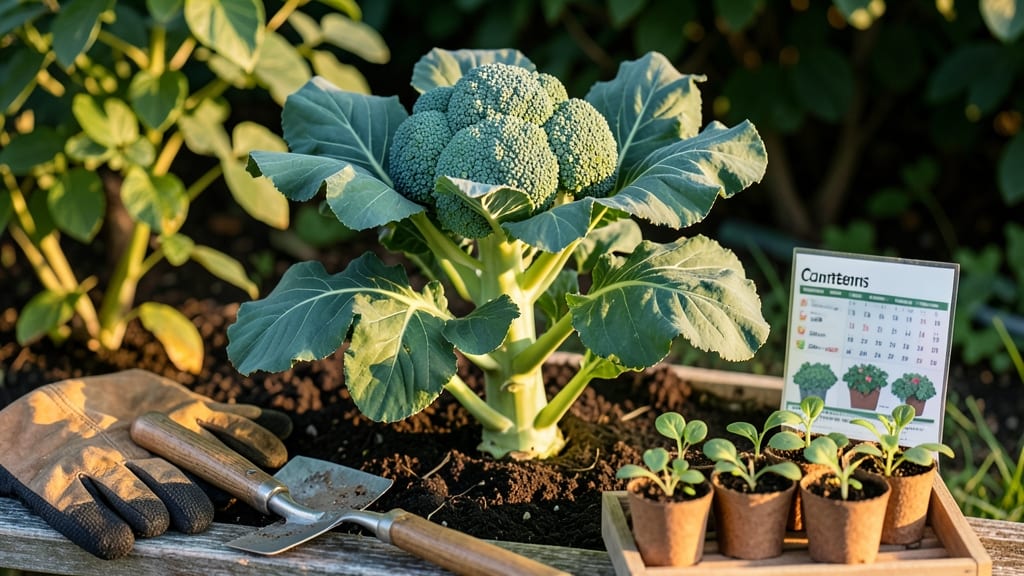
Timing your 🥦 broccoli planting in Connecticut is the key to avoiding bitter disappointment—or worse, bolting heads before harvest. With CT’s unpredictable swings from frost to heat, getting the window right means the difference between a garden full of lush, edible crowns and a sad, yellowing disappointment.
Most gardeners in USDA Zone 6a assume spring is the only time to plant, but late summer offers a second chance for fall harvests.
The secret lies in planting 4-6 weeks before your last frost (around mid-April) for spring or 8-10 weeks before the first frost (mid-October) for fall—timing that keeps your broccoli cool, happy, and bolt-free.
I’ve grown broccoli in CT for years, and I’ll show you exactly how to adjust for your specific microclimate—whether you’re in coastal New Haven, inland Hartford, or the highlands of Torrington.
You’ll learn which varieties thrive in CT’s heat, how to prep soil for maximum growth, and when to watch for those first frost warnings.
Ready to grow 🥦 broccoli that’s head-turningly perfect? Let’s dive into the exact dates, soil secrets, and care tips that’ll make your CT garden the talk of the neighborhood.
Optimal broccoli planting dates by Connecticut microclimate zone
Connecticut’s diverse geography—from coastal areas to inland valleys and highland regions—creates distinct microclimates that affect broccoli planting success. Understanding these zones helps you avoid bolting and frost damage while maximizing your harvest. Let’s break down the best planting windows for each area.
Coastal CT (e.g., New London, Groton) enjoys milder winters and later frosts, giving you a 2-3 week advantage over inland zones. Inland areas (Hartford, Middletown) face earlier springs and colder nights, while highland regions (Litchfield Hills) have shorter growing seasons. Soil temperature and first/last frost dates vary significantly—plan accordingly!
Here’s a comparison table for CT’s three key zones, including ideal planting months, soil temp thresholds, and harvest windows to guide your schedule:
| Zone | Spring Planting | Fall Planting | Soil Temp | Last Frost | First Frost |
|---|---|---|---|---|---|
| Coastal (Zone 6b-7a) | Mid-March to early April | Late August to mid-September | 45°F+ | April 20 | October 20 |
| Inland (Zone 6a) | Late March to mid-April | Early August to early September | 40°F+ | April 15 | October 15 |
| Highland (Zone 5b) | Early to mid-April | Late July to early August | 38°F+ | May 1 | October 5 |
⚠️ Note: Adjust dates 1-2 weeks earlier if using row covers to extend seasons.
For spring planting, aim to sow seeds or transplant seedlings 4-6 weeks before your last frost date.
In CT, this typically means late March to mid-April for most regions. Fall planting should occur 8-10 weeks before the first frost, usually late August to early September, to ensure mature heads form before cold sets in.
If you’re growing bolt-resistant varieties like ‘Waltham 29’ or ‘De Cicco’, you can push these windows slightly—especially in coastal areas where summers are milder. However, highland regions require stricter adherence to frost dates to avoid stunted growth.
Pro tip: Use a soil thermometer to confirm temperatures meet the 40-45°F threshold before planting. Cold soil delays germination and weakens seedlings, making them vulnerable to disease and pests.
For container gardening in CT, start seeds indoors 6-8 weeks before transplanting outdoors. This gives you flexibility to move pots to sheltered spots if late frosts threaten. Just ensure containers have drainage holes to prevent root rot in CT’s damp springs.
Remember, broccoli thrives in cool weather—temperatures above 75°F trigger bolting. Plan your fall crop to mature before summer heat peaks, ideally harvesting by early October in most of CT.
🌱
How to adjust planting for CT’s unpredictable weather patterns
Connecticut’s weather is famously fickle—one day it’s 60°F sunshine, the next a 30°F surprise frost. To keep your 🥦 broccoli thriving, you’ll need to adapt your planting strategy. The key is extending the growing season and choosing the right varieties for CT’s temperature swings.
I’ve learned that row covers and bolt-resistant varieties can make all the difference.
For spring planting, start seeds indoors 4-6 weeks before your last frost (around mid-March). If you’re in a coastal zone, you might get away with planting slightly earlier, but inland areas should wait until soil warms to 45°F.
The goal is to avoid heat stress, which triggers bolting—your broccoli’s worst enemy.
Here’s how I adjust for CT’s unpredictable patterns:
For fall planting, aim for mid-August in most of CT, but coastal areas can push it to early September. Use fast-maturing varieties like ‘Calabrese’ to ensure harvest before the first frost. If you’re in the highlands, start seeds indoors in late July for a head start.
One trick I swear by? Succession planting every 2 weeks in spring and fall. This ensures a continuous harvest and reduces the risk of losing your entire crop to a single late frost or heatwave. Even if one batch bolts, you’ll still have fresh broccoli to enjoy.
Remember, CT’s microclimates vary wildly—what works in New Haven might fail in Torrington. Pay attention to your local frost dates and adjust accordingly. With these strategies, you’ll beat the odds and grow 🥦 broccoli that’s as resilient as it is delicious.