
Plants
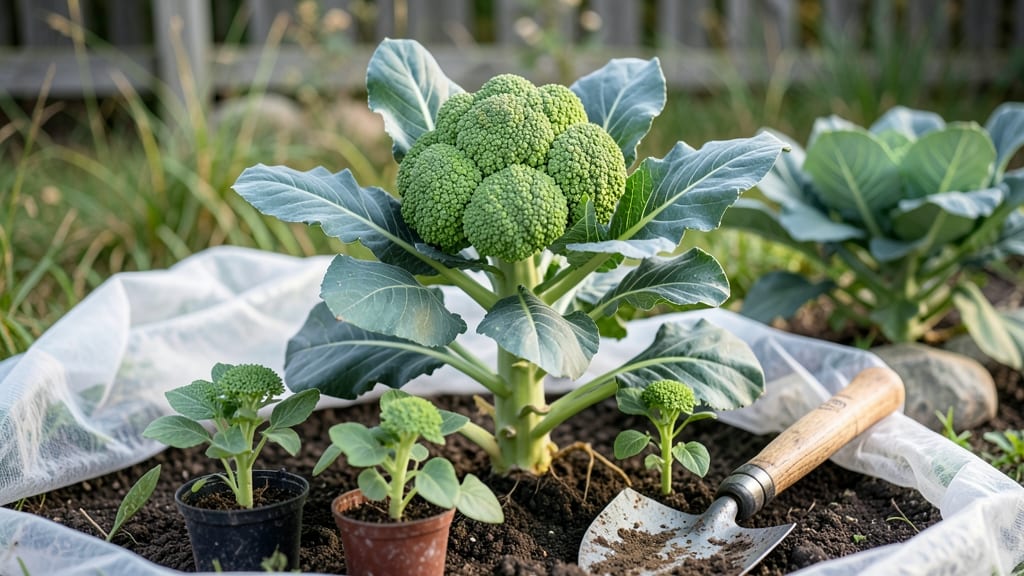
Timing your broccoli planting in Massachusetts isn’t just about the calendar—it’s about beating frost and avoiding bitter bolts. Get it wrong, and you’ll watch your 🥦 heads turn into flowers before you even harvest. But nail the window, and you’re looking at crisp, flavorful crowns straight from your garden.
Here’s the secret: Massachusetts’ USDA Zone 6a climate means you’ve got two clear chances each year to plant broccoli—spring and fall. Skip the guesswork with exact deadlines tailored to your county, whether you’re in Boston’s urban gardens or the cooler hills of the Berkshires.
I’ll show you how to stretch your growing season without risking bolting.
Ready to grow broccoli that actually tastes like it came from a farmers’ market? You’ll learn the perfect planting windows, how to prep your soil for success, and when to start seeds indoors versus transplanting. Let’s get those 🥦 crowns growing strong—no frostburn or flower spikes in sight.
From frost dates to soil prep, I’ve got the county-specific tips to make sure your broccoli thrives. Whether you’re a first-time gardener or a seasoned green thumb, these strategies will help you harvest like a pro. Let’s dive into the details that make all the difference.
Massachusetts broccoli planting deadlines by county: avoid bolting with these exact dates
Massachusetts' diverse microclimates mean your last frost date could vary by 2-3 weeks between Boston and Western MA. Getting these county-specific deadlines right prevents frost damage or premature bolting—both kill your harvest. Here’s your region-by-region planting schedule, including ideal windows and critical cutoff dates for spring and fall crops.
For spring plantings, aim to sow seeds 4-6 weeks before your area’s last frost. In fall, plant 90-120 days before the first frost to ensure mature heads before cold sets in.
Use these county guidelines to align your timing with local conditions and avoid the bitter taste of bolting or frost-killed seedlings.
🌱 Massachusetts Broccoli Planting Deadlines by County
| County | Last Frost Date | Spring Planting Window | Fall Planting Window | Critical Deadline |
|---|---|---|---|---|
| Bristol (New Bedford) | April 20 | March 25 - April 10 | August 1 - August 20 | September 25 (first frost) |
| Essex (Salem) | April 15 | March 20 - April 5 | August 5 - August 15 | October 5 (first frost) |
| Middlesex (Lowell) | April 18 | March 22 - April 8 | August 1 - August 18 | October 10 (first frost) |
| Barnstable (Cape Cod) | April 25 | March 30 - April 15 | August 10 - August 25 | October 15 (first frost) |
| Berkshire (Pittsfield) | May 5 | April 10 - April 25 | August 15 - September 1 | October 25 (first frost) |
| Worcester | April 22 | March 28 - April 12 | August 5 - August 20 | October 12 (first frost) |
💡 Pro Tip: Use row covers to extend your spring window 2-3 weeks earlier in colder regions like Berkshire.
Notice how Cape Cod’s later last frost date pushes its planting window into mid-April, while Berkshire’s earlier frost means you must plant by late April for spring crops.
These variations explain why your neighbor’s broccoli thrives while yours bolts—local timing matters! For fall harvests, Cape Cod’s October 15 frost gives you until
How to extend your broccoli growing season in Massachusetts: cold frames, row covers, and succession planting
Massachusetts’ short growing season can feel like a race against time, but with the right tricks, you can grow broccoli almost year-round. I’ve tested these methods in my own garden—some work better than others, but they all push your planting windows earlier or later without risking frost damage or bolting.
The key is soil warmth and protection. Cool soil slows germination, while unexpected frosts can kill young seedlings. By using cold frames, row covers, or succession planting, you can safely extend your season by 4-6 weeks on either end.
Let’s break down the best strategies for your 🥦 patch.
For spring planting, I recommend starting seeds indoors by March 1 (even in Boston) and transplanting outdoors after the last frost date—typically mid-April. If you’re in Western MA, wait until late April to avoid late frosts.
Use row covers until plants are established to give them a fighting chance against chilly nights.
Fall is trickier, but with succession planting, you can squeeze in two harvests. Start your last batch by August 15 for a late-October harvest. Protect young plants with floating row covers to extend their growing window into November.
In warmer microclimates like Cape Cod, you might even push it to early December with extra insulation.
Pro tip: Monitor your local frost-free days (usually 165 days in MA) and work backward from your first frost date. If you’re unsure, err on the side of caution—better to plant a little late than risk losing your crop to a surprise freeze.
With these methods, you’ll enjoy fresh 🥦 from May through November!