
Plants
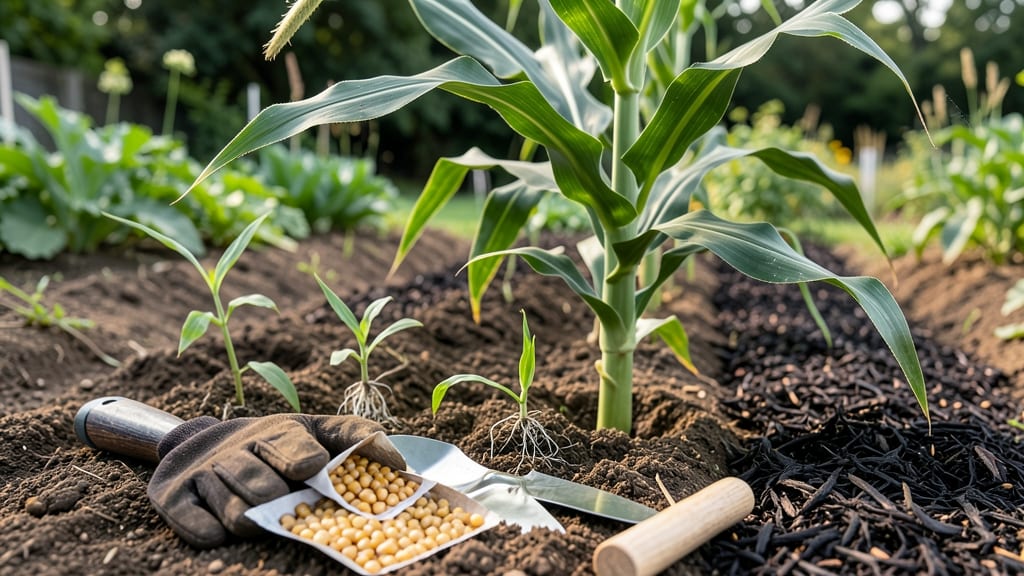
Timing your corn planting in Phoenix isn’t just about the calendar—it’s about beating the heat and avoiding that dreaded bolting that turns sweet kernels into tough, starchy disappointment.
The perfect window to sow your 🌽 seeds is between December and February, when soil temps stay cool enough to prevent premature flowering.
Why does this matter? Because Phoenix’s summer heat can send your corn racing to bolt before it even develops ears, leaving you with a bitter harvest—or worse, nothing at all.
I’ve learned the hard way that planting too early risks frost (rare but possible in winter), while waiting too late means your crop will struggle under the sun’s intensity.
In this guide, I’ll break down the exact weeks to plant for maximum yield, plus heat-tolerant varieties that actually thrive in Zone 9b. You’ll also discover how to adjust for Phoenix’s unpredictable weather patterns—because even the best-laid plans need flexibility when monsoon season sneaks up.
Ready to grow corn that’s sweet, plentiful, and actually worth the effort? Let’s dive into the strategies that work—no guesswork required.
Best weeks to plant corn in Phoenix for sweet, non-bolting harvests
Planting corn in Phoenix requires precision to avoid the dreaded bolting—when corn shoots up too fast and produces tough, starchy ears. The ideal window is late fall through early spring, when temperatures stay mild and monsoon rains haven’t yet triggered erratic growth.
Aim for soil temperatures above 60°F to ensure strong germination without overheating.
Most Phoenix gardeners achieve success by planting between mid-December and mid-February. This timing aligns with cooler desert nights and avoids the 100°F+ heatwaves that can stress young corn plants.
Urban areas like downtown Phoenix may have slightly later windows due to heat island effects, while desert outskirts can plant a few weeks earlier.
🌱
| Planting Window | Soil Temp Requirement | Harvest Window | Key Consideration |
|---|---|---|---|
| Mid-December | 60°F+ | Late February - Early March | Early harvest before summer heat |
| January | 65°F+ | March - April | Balanced growth with cooler temps |
| February (early) | 70°F+ | April - Early May | Risk of early bolting if too warm |
If you miss the ideal window, late November or early March can still work for short-season varieties, but expect smaller yields. The key is to stagger plantings every 2-3 weeks to extend your harvest season.
For example, sow a batch in mid-December, another in January, and a final batch in early February for a continuous supply through April.
Phoenix’s altitude variations also play a role. Higher elevations (like Carefree or Cave Creek) may have 2-3°F cooler soil temps, allowing slightly earlier plantings. Use a soil thermometer to confirm readiness—corn seeds won’t germinate well below 55°F, and temperatures above 90°F can cause poor germination.
🌡️
Heat-tolerant varieties like ‘Pantano 90’ or ‘Golden Bantam’ are your best bet for Phoenix. These varieties can handle short bursts of heat (up to 95°F) without bolting prematurely. Pair them with drip irrigation to keep soil moisture consistent, which is critical in Phoenix’s dry climate. Avoid overhead watering—it spreads disease and wastes water.
One common mistake is planting too close to the monsoon season (July-September). The sudden downpours can trigger rapid growth spurts, leading to bolting or ear rot. By planting in winter, you sidestep this issue entirely.
For urban gardeners, raised beds with mulch help regulate soil temperature and retain moisture, giving your corn a fighting chance in Phoenix’s extreme conditions.
🪴
Finally, test your soil before planting. Phoenix’s alkaline soil (pH 7.5-8.5) can lock out nutrients like phosphorus and zinc, which corn needs for strong ears. Amend with compost or sulfur to lower pH slightly if needed.
Aim for a pH of 6.0-7.0 for optimal nutrient uptake. With the right timing and soil prep, you’ll be feasting on sweet, tender corn by spring—no bitter surprises here!
Best weeks to plant corn in Phoenix for sweet, non-bolting harvests
Phoenix’s mild winter months—from December through February—are your golden window for planting corn. This timing ensures soil stays cool enough (60°F or below) to prevent premature bolting while avoiding the triple-digit summer heat that stresses young plants.
I’ve found that planting in late January gives me the best balance: enough time to harvest before the monsoon season disrupts growth.
Urban Phoenix gardens often experience microclimate variations—areas near concrete or pavement can stay warmer than desert outskirts. Test your soil temperature with a soil thermometer before planting; if it’s above 65°F, wait a week or two.
The Valley of the Sun’s altitude (1,100 ft) also affects heat retention, so adjust accordingly if you’re in higher-elevation areas like Scottsdale or Carefree.
| Planting Window | Soil Temp | Harvest Window | Key Consideration |
|---|---|---|---|
| Late December | 55-60°F | March-April | Early harvest before summer heat |
| January (ideal) | 60-65°F | April-May | Balanced growth before monsoons |
| Early February | 65-70°F | May-June | Risk of bolting increases |
For continuous harvests, consider staggering plantings every 2-3 weeks in January. This spreads out your yield and reduces the risk of losing an entire crop to sudden heat spikes.
I’ve had success with three staggered plantings: one in late December, one in mid-January, and a final push in early February. Just be prepared to shade young plants with floating row covers if a late-winter heatwave rolls in.
Phoenix’s monsoon season (July-September) can also impact corn growth if planted too late. While corn itself can tolerate some summer heat, the unpredictable downpours and fungal risks make it risky to plant after mid-February.
If you’re determined to try summer corn, opt for super-early maturing varieties (like ‘Early Sunglow’) and use drip irrigation to keep soil consistently moist without overwatering.
Don’t overlook soil preparation—Phoenix’s clay-heavy soils need amending with compost or aged manure to improve drainage. I mix in 2-3 inches of compost before planting and top-dress with well-rotted compost at mid-season.
This helps corn access nutrients without competing with weeds, which thrive in Phoenix’s warm winters. Mulch with straw or grass clippings to retain moisture and regulate soil temperature.
Pro tip: Keep an eye on your corn’s tassels and silks. If silks appear dry or brown before pollination, your plant is stressed from heat or drought.
In that case, hand-pollinate by transferring pollen from tassels to silks with a paintbrush—it’s saved my crop more times than I can count!
With the right timing and care, you’ll go from seed to sweet ear in just 75-90 days, proving that Phoenix can grow corn—you just have to work with its quirks. 🌽