
Plants
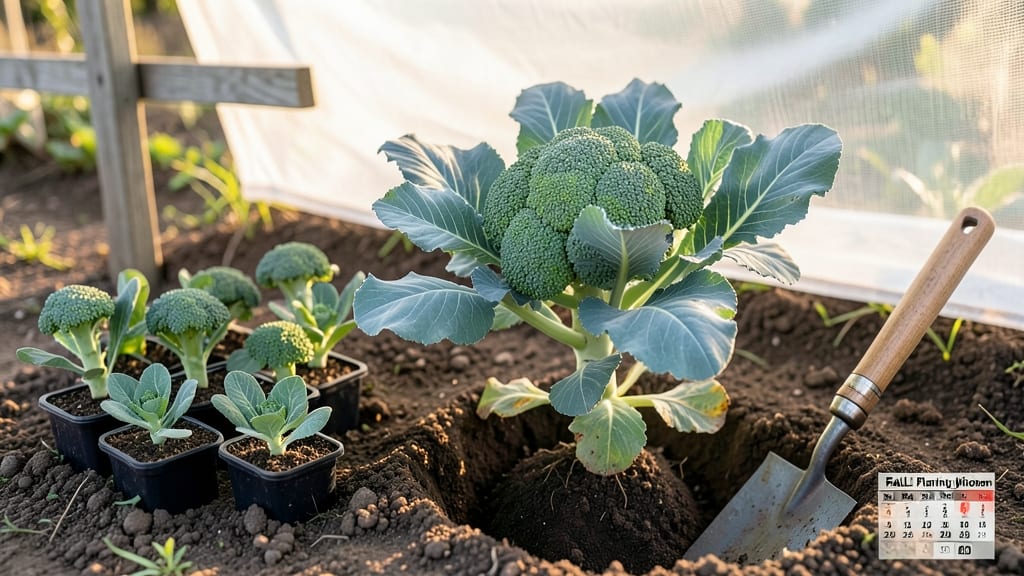
Knowing when to plant broccoli in Zone 9 is the game-changer between lush, flavorful heads and bitter disappointment. Unlike cooler climates, Zone 9's mild winters and scorching summers demand precise timing to avoid bolting—those unwanted flowers that ruin your harvest.
Here's the secret: broccoli thrives when temperatures are cool but not freezing. In Zone 9 (think Southern California or Arizona deserts), your best bets are late summer through early fall (August-September) or winter (December-January). These windows give your plants the perfect balance of warmth and coolness they crave.
Why does this matter? Because planting at the wrong time means your broccoli will bolt faster than you can say "🥦". We're talking wasted effort and no harvest. But get the timing right, and you'll enjoy fresh, homegrown broccoli straight from your garden through spring.
I'll walk you through exactly how to time your plantings for success—plus pro tips to keep your broccoli happy even when Zone 9's summer heat tries to sabotage your crop. Let's make this your most successful broccoli season yet!
Zone 9 broccoli planting calendar: exact dates for spring & fall success
Zone 9's unique climate—where summers stay scorching and winters are barely cool—means traditional planting advice won't work for broccoli. The key is planting during two critical windows: late summer/early fall and winter.
These periods give your plants the cool temperatures they crave while avoiding the heat-induced bolting that ruins harvests.
For most of Zone 9 (including Southern California and Arizona), your ideal planting dates are August 15-September 15 for fall and December 1-January 15 for winter.
Coastal areas like San Diego can push fall planting slightly later (up to October 1), while inland desert regions should start earlier (August 1) to beat the heat.
Why these dates? Broccoli needs 50-80 days to mature, and planting too late in fall risks harvests during Zone 9's mild winter. Meanwhile, winter plantings give you spring harvests just as summer heat ramps up. Let's break down the exact timing and what you need to watch for.
Here’s how to align your planting with Zone 9’s microclimates for maximum success:
Notice how soil temperature is just as critical as air temperature? Broccoli roots thrive in 50–75°F soil. Use a soil thermometer to check—if it’s above 80°F, delay planting or use shade cloth.
For desert regions, planting in July might seem crazy, but nighttime temps drop enough to work if you provide afternoon shade.
Pro tip: In Zone 9, successful broccoli growing often comes down to microclimate mastery. If your garden hits 90°F+ days, even fall plantings need afternoon shade. I’ve seen gardeners in Phoenix use 30% shade cloth from 11 AM–4 PM to keep plants cool without stunting growth.
For coastal Zone 9 (like Los Angeles or San Diego), your biggest challenge is humidity and fungal diseases. Space plants 18–24 inches apart and water at the base (not overhead) to prevent mildew. Inland areas? Focus on bolting prevention—we’ll cover that in the next section.
Timing isn’t just about dates—it’s about reading your local microclimate. Check your area’s heat advisories and adjust by 1–2 weeks if extreme heat is forecasted. Your goal is to have broccoli heads form when temps are below 75°F—that’s when they’ll be sweetest and most tender.
Ready to pick your planting dates? Grab a calendar and mark August 15 and December 1 as your start lines. Then, let’s talk about which broccoli varieties will give you the best shot at success in Zone 9’s tricky climate.
Zone 9 broccoli planting calendar: exact dates for spring & fall success
In Zone 9, where summers can hit 100°F+, broccoli's natural enemy is heat-induced bolting. The key to success? Planting during cooler transitions—either late summer/early fall or winter—when temperatures stay between 60-75°F. This timing gives your plants time to mature before summer's intensity peaks.
For fall plantings, aim for August 15-September 15 in most of Zone 9. Coastal areas like San Diego can extend this slightly later, while inland desert regions should plant 2-3 weeks earlier to avoid October heatwaves.
Your goal is to have broccoli heads ready to harvest by March before summer returns.
Winter plantings offer a second chance: December 1-January 15 works perfectly. These cool-season windows let you enjoy two harvests per year—one in spring and another in late winter—without battling summer's bolting risks.
| Planting Window | Ideal Dates | Harvest Window | Heat Strategy |
|---|---|---|---|
| Fall Planting | Aug 15-Sep 15 | Mar-Apr | Shade cloth in Sep |
| Winter Planting | Dec 1-Jan 15 | Feb-Mar | Mulch for soil warmth |
| Coastal Adjustment | Sep 1-Oct 1 | Apr-May | Windbreaks needed |
Pro tip: Use a 30-day countdown from your last frost date (even if Zone 9 rarely freezes). For example, if your average last frost is January 10, plant December 1 for winter broccoli. This ensures heads mature before summer heat arrives.
Remember: Soil temperature matters just as much as air temperature. Ideal soil temps for germination are 45-85°F. In Zone 9's dry heat, water your soil 24 hours before planting to cool it down—this small step can double your germination rate.
For desert gardeners, elevated beds with 50% compost help regulate soil temps. This simple hack prevents the ground from getting too hot too fast—critical for broccoli's sensitive roots. Pair this with drip irrigation timed for early morning, and you've got the perfect setup for Zone 9 success.