
Plants
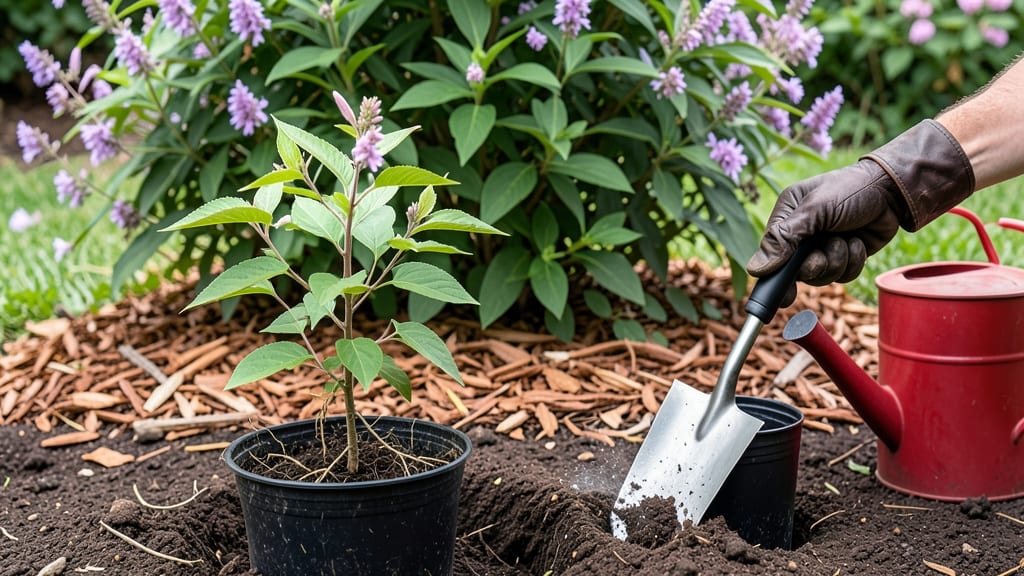
Timing your butterfly bush planting in Zone 7 could make the difference between a showstopping garden and a struggling shrub. The key to vibrant blooms and strong growth lies in planting after the last frost—typically by mid-April—when the soil has warmed enough to support root development.
Many gardeners swear by spring planting for this hardy shrub, but early fall offers another great window before winter sets in. Whether you're a beginner or a seasoned gardener, getting the timing right ensures your 🦋 butterfly bush thrives from the start.
Let's dive into the best months and what to watch for to set yours up for success.
Why does timing matter so much? Planting too early risks frost damage, while waiting too long can stunt growth before summer heat arrives. In Zone 7, where temperatures fluctuate, understanding your local frost dates is the game-changer for healthy plants that bloom beautifully.
From preparing your soil to choosing the perfect spot, we'll cover everything you need to know to plant your butterfly bush at the optimal time. Ready to transform your garden into a pollinator paradise? Let's get started.
Optimal planting months for butterfly bush in Zone 7 (with frost risk timeline)
In Zone 7, your butterfly bush thrives when planted during its two ideal windows: spring (after last frost) or early fall (before first frost). The average last frost date falls around mid-April, while the first frost typically arrives by mid-October.
These dates give you a 6-month planting window—long enough to avoid frost damage while giving roots time to establish.
Spring planting is my top recommendation because it aligns with the plant's natural growth cycle. Once soil temperatures reach 60°F (15°C), your butterfly bush will sprout quickly, taking full advantage of summer's warmth.
However, if you prefer fall planting, aim to finish by late September to allow roots to settle before winter dormancy.
Butterfly bushes are hardy perennials in Zone 7, meaning they return year after year if planted correctly. The key is avoiding extreme temperature swings—both the shock of early frost and the stress of late planting can stunt growth.
Let's break down the best months and what to watch for in your specific microclimate.
Your local frost dates might vary by 1-2 weeks from the average. Check your USDA Zone 7a or 7b specifics—Zone 7a (colder) may have a later last frost (around April 22), while Zone 7b (warmer) might see frost retreat by April 8.
For precise timing, use the National Weather Service or a local gardening app to track trends in your area.
Here’s the golden rule: Plant your butterfly bush when soil temperatures stay above 55°F (13°C) for at least 5 consecutive days. This warmth signals roots to grow aggressively, setting the stage for vibrant summer blooms.
In Zone 7, this usually means waiting until late April for spring plantings.
| Planting Window | Best Months | Soil Temp Requirement | Frost Risk |
|---|---|---|---|
| Spring Planting | March–May | ≥55°F (13°C) | Low (after last frost) |
| Early Fall Planting | September–October | ≥50°F (10°C) | Low (before first frost) |
| Avoid Planting | November–February | N/A (dormant season) | High (frost damage risk) |
🌱 Pro Tip: Test soil temperature with a soil thermometer—it’s the most accurate way to time your planting!
If you’re unsure about your local frost dates, use the "5-10-15 Rule": Subtract 5 days from your average last frost date for a safer planting window. For example, if your area’s last frost is April 15, plant by April 10 to account for unexpected late frosts.
This buffer ensures your butterfly bush’s roots aren’t shocked by cold snaps.
For container growing, timing is even more critical. Potted butterfly bushes dry out faster and are more vulnerable to temperature swings. Plant them in late April or early May to give roots time to establish before summer heat arrives.
If planting in fall, use black plastic pots to absorb heat and protect roots from early frosts.
Remember, butterfly bushes are fast growers—once established, they can reach 6-12 feet tall in just a few years. Planting at the right time ensures they devote energy to blooming instead of struggling to recover from stress. With the perfect timing, your garden will soon be a pollinator magnet!
For extra peace of mind, consider mulching after planting. A 3-inch layer of mulch helps regulate soil temperature, retains moisture, and protects roots from frost. Use shredded bark or straw—both work beautifully for butterfly bushes.
How to prepare for butterfly bush planting: soil, sunlight, and spacing requirements
Before you plant your butterfly bush in Zone 7, preparation is everything. The right soil conditions, sunlight exposure, and spacing will ensure your shrub thrives from day one. Start by testing your soil—butterfly bushes prefer well-draining soil with a slightly acidic to neutral pH (6.0-7.0).
If your soil is heavy clay, amend it with compost or sand to improve drainage and aeration.
Choose a planting spot that receives full sun (6+ hours daily). Butterfly bushes are sun-lovers, and adequate sunlight triggers their vibrant blooms. If your garden has limited sun, opt for a semi-dwarf variety like 'Lo & Behold®'—it tolerates partial shade better than standard types.
Avoid low-lying areas where cold air pools, as frost can damage young plants.
Proper spacing is critical, especially since butterfly bushes grow 3-12 feet tall. Give mature plants 5-8 feet of space between them to allow airflow and prevent disease. If you're planting near a fence or wall, choose a dwarf variety to avoid overcrowding.
Remember, these shrubs spread via underground runners, so account for that in your layout.
⚠️ Warning: Avoid planting in waterlogged soil—butterfly bushes hate soggy roots and may develop root rot. If your yard has poor drainage, consider planting in a raised bed or on a mound.
After selecting your spot, dig a hole twice as wide as the plant's root ball but only as deep. This encourages roots to spread outward rather than sinking too deep.
Gently loosen the roots if they're root-bound, then place the plant in the hole and backfill with native soil. Water thoroughly to settle the soil and remove air pockets.
Mulching is a game-changer for butterfly bushes. Apply a 3-inch layer of mulch (like shredded bark or pine straw) around the base, keeping it 3 inches away from the trunk to prevent rot.
Mulch helps retain moisture, regulates soil temperature, and suppresses weeds—all while protecting young roots from temperature fluctuations.
Finally, consider adding a slow-release fertilizer (like 10-10-10) at planting time to give your butterfly bush a nutrient boost. Avoid heavy fertilizers, as they can burn tender roots. Instead, focus on organic matter like compost or well-rotted manure to build soil health over time.
With the right preparation, your butterfly bush will establish quickly and reward you with season-long blooms that attract butterflies, bees, and hummingbirds. A little effort upfront means years of low-maintenance beauty in your garden! 🦋