
Plants
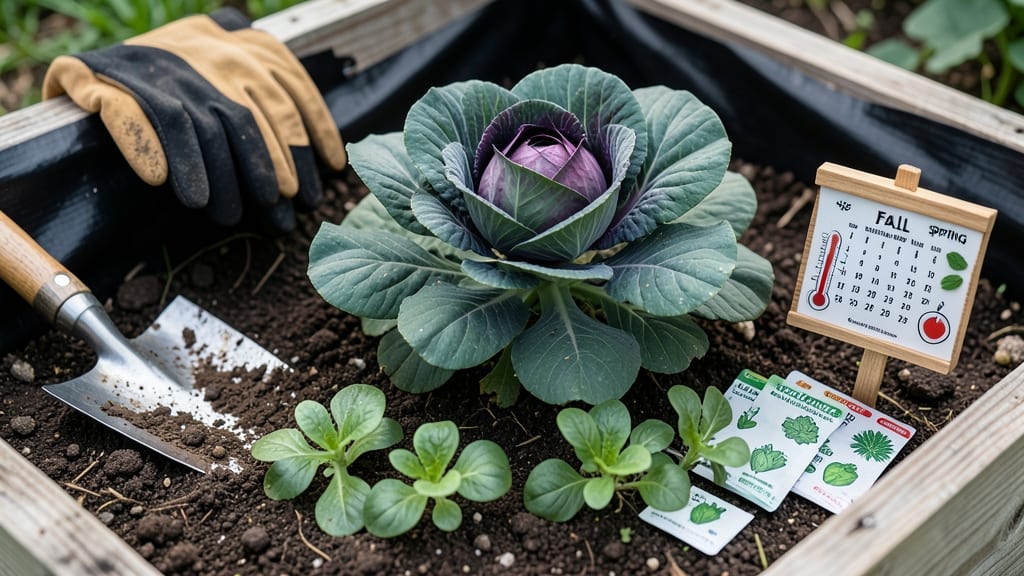
When to plant cabbage in California can make or break your harvest—especially when coastal fog and inland heatwaves throw off even the most well-planned garden. Whether you're in Zone 10's frost-free coastal areas or Zone 8's desert-like valleys, timing is everything to avoid bitter greens or bolted plants.
Most gardeners swear by fall plantings (September–October) for a spring harvest, but inland regions like the Central Valley can push that window later—sometimes even into early November.
Meanwhile, coastal gardeners in Zone 10 might plant year-round, thanks to mild winters. The key? Understanding your microclimate’s last frost date and heat tolerance.
Spring plantings (February–March) work too, but heat-loving varieties like 'Golden Acre' thrive better inland, while coastal areas benefit from shade-tolerant types. I’ll break down exactly when to start seeds, transplant, and adjust for California’s wild swings—so you can double your harvest without the guesswork.
Ready to stop second-guessing and start planting with confidence? Let’s dive into the exact months and tricks that work for your specific corner of the Golden State—no more wasted seeds or disappointed heads!
Best cabbage planting months in California by microclimate
California’s diverse climate zones create a complex planting puzzle for cabbage. Coastal regions like San Francisco and Los Angeles enjoy mild winters and frost-free growing seasons, while inland areas like the Central Valley experience hot summers and early frosts.
Understanding these differences is key to avoiding bolting or frost damage while maximizing your harvest.
For coastal California (USDA Zones 9-10), cabbage thrives year-round, but fall and spring plantings yield the best results. Inland areas (Zones 8-9) should focus on cool-season crops planted in early spring or late summer to escape summer heat.
Let’s break down the optimal planting windows for each microclimate to ensure your cabbage grows strong and healthy.
🌱 Visual Element: Comparison Table
| Region | USDA Zone | Best Planting Months | Key Considerations |
|---|---|---|---|
| Coastal (SF, LA) | 9-10 | September–October (fall) or February–March (spring) | Frost-free year-round; avoid summer heat |
| Inland Valleys (Sacramento, Central Valley) | 8-9 | February–March (spring) or August–September (fall) | Early frost risk; use heat-tolerant varieties |
| Desert (Palm Springs, Coachella) | 8 | October–November (fall) or February (spring) | Extreme heat; plant in shade cloth or containers |
In coastal California, the ideal window for fall planting is September to early October. This timing ensures your cabbage matures before cooler winter temperatures slow growth. For a spring harvest, plant in February or March to avoid the hot summer months that can cause bolting.
Coastal gardeners also have the luxury of year-round planting in Zone 10, but late summer plantings may struggle with heat.
Inland areas like the Central Valley and Sacramento face hotter summers and earlier frosts, so timing is even more critical. Plant spring cabbage in February or March to harvest before summer heat sets in.
For a fall crop, aim for August to early September to ensure heads mature before the first frost, typically around November 15. Heat-tolerant varieties like 'Golden Acre' or 'Red Express' are excellent choices for inland gardens.
For desert regions, such as Palm Springs and Coachella Valley, the coolest months are your best bet. Plant in October or November for a winter harvest or February for a spring crop.
These areas often require shade cloth or container gardening to protect seedlings from intense afternoon sun. Always check your local frost dates and adjust planting times accordingly.
Regardless of your California microclimate, always space cabbage plants 18–24 inches apart to allow for proper airflow and growth. This reduces the risk of disease and bolting, ensuring a healthy, bountiful harvest. With the right timing, your cabbage will thrive year-round in California’s diverse climate zones.
Pro tip: Use row covers in early spring or late fall to extend your growing season and protect young plants from unpredictable coastal fog or inland heatwaves. This simple trick can make all the difference in your cabbage’s success.
Best cabbage planting months in California by microclimate
California’s diverse microclimates mean your cabbage planting schedule could vary by hundreds of miles. Coastal areas like San Francisco and Los Angeles (Zone 10) enjoy frost-free winters, while inland valleys like Sacramento (Zone 9) and desert regions (Zone 8) face earlier frosts.
The key? Planting 4–6 weeks before first frost for fall crops or 6–8 weeks before last frost for spring.
Fall plantings dominate in most of California, yielding spring harvests (March–May). Inland gardeners often push fall starts into early November, while coastal gardeners can plant year-round in mild zones.
Spring plantings (February–March) work too, but heat stress is a risk in inland areas—choose heat-tolerant varieties like 'Golden Acre' for these zones.
Here’s the breakdown by region, including exact months and frost considerations to avoid bolted or frost-damaged plants:
| Region | USDA Zone | Fall Planting Window | Spring Planting Window | First Frost | Heat Risk |
|---|---|---|---|---|---|
| Coastal (SF, LA) | 10 | September–November (year-round possible) | February–March | None | Low (cooler summers) |
| Inland Valleys (Sacramento, Central Valley) | 9 | August–October | February–early March | Mid-December | High (summer heat) |
| Desert (Palm Springs, Coachella) | 8 | July–September (for fall harvest) | January–February | Late November | Very High (extreme heat) |
For coastal gardeners, start seeds indoors in August for fall transplants or direct-sow in September–October. Inland gardeners should prioritize early August starts to avoid summer heat stress. Desert regions? Focus on July plantings with shade cloth to protect seedlings.
Pro tip: Use row covers in fall to extend coastal harvests into winter, or drip irrigation inland to prevent bolting during dry spells. Timing isn’t just about months—it’s about microclimate mastery.
Next, we’ll cover how to adjust for California’s wild weather swings, from coastal fog to inland heatwaves—so your cabbage stays happy (and harvestable!) all season long. 🥬