
Plants
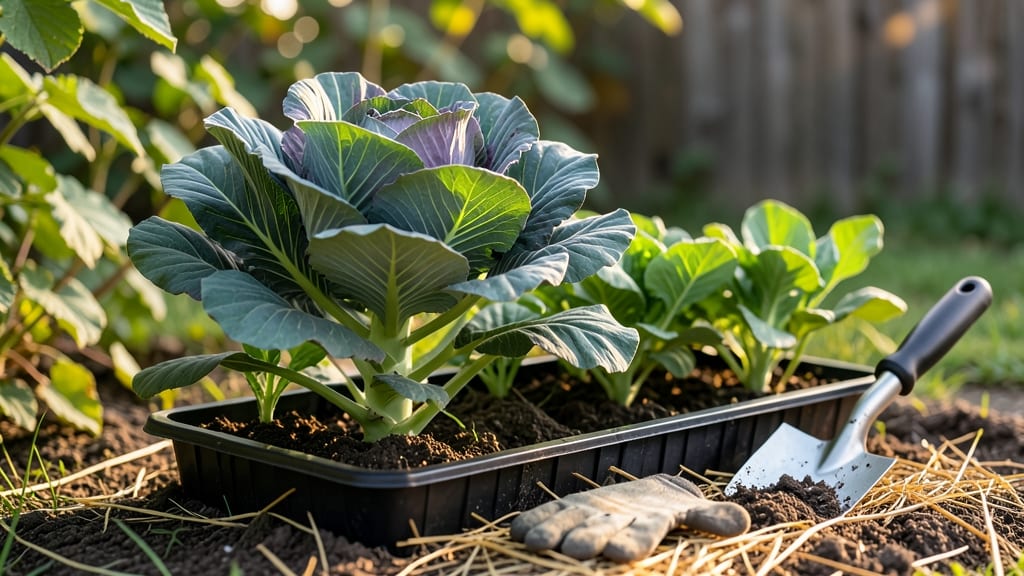
Timing is everything when it comes to planting cabbage in Utah, and getting those frost-free deadlines wrong could mean the difference between a bountiful harvest and a bitter disappointment.
Utah’s dramatic shifts from freezing mountain air to scorching desert heat make cabbage planting a delicate balancing act—one wrong move, and your plants either freeze solid or bolt into flower before you can enjoy a single crisp leaf.
If you’ve ever stared at your garden calendar wondering, "Should I plant now or wait?", you’re not alone. The key to success lies in understanding your specific elevation zone—whether you’re in the Salt Lake Valley or the high desert—and aligning your planting schedule with Utah’s unpredictable frost dates.
With the right approach, you can sidestep common pitfalls like premature bolting or stunted growth, ensuring your cabbage thrives from seed to harvest.
In this guide, I’ll break down the exact planting windows for Utah’s three main elevation zones, share foolproof soil prep tips to combat the state’s alkaline conditions, and reveal the best varieties that won’t wilt under summer heat.
Whether you’re a seasoned gardener or a first-timer, these insights will help you grow cabbage that’s sweeter, healthier, and ready to harvest at the perfect time.
Ready to stop guessing and start growing? Let’s dive into the strategies that will turn your Utah garden into a cabbage powerhouse—no more wasted seeds or missed harvests. Your future meals (and your wallet) will thank you.
Utah cabbage planting deadlines by elevation Zone (with frost charts)
Utah’s diverse elevations create wildly different growing conditions—what works in St. George’s low desert (USDA Zone 7b) will fail in Park City’s high valleys (Zone 5a). To avoid frost damage or summer bolting, align your planting with local frost-free dates and elevation-based windows.
Below, I’ve broken down the three critical Utah zones with exact deadlines for both spring and fall crops.
Spring cabbage thrives when soil hits 40°F and stays frost-free for 60+ days. Fall crops need 100+ frost-free days before the first hard freeze. Miss these windows, and you’ll either lose seedlings to late frost or watch your heads bolt in summer heat.
🌱 Pro Tip: Use Utah State University’s frost maps (available via USU Extension) to pinpoint your exact last-frost date. For example, Salt Lake City averages April 15 for last frost, while Moab hits it March 10.
| Elevation Zone | USDA Zone | Last Frost Date | First Frost Date | Spring Planting Window | Fall Planting Window |
|---|---|---|---|---|---|
| Low Desert (St. George, Cedar City) | 7b-8a | March 1–15 | November 1–15 | February 15–March 31 | August 1–September 15 |
| Mid-Mountain (Salt Lake Valley, Provo) | 6a-7a | April 1–15 | October 15–30 | March 15–April 15 | July 15–August 30 |
| High Valley (Park City, Ogden) | 5a-6a | May 1–15 | September 30–October 15 | April 15–May 15 | June 15–July 30 |
🌡️ Key Adjustments: High-elevation gardeners should plant 10–14 days later than lowland areas to avoid late frosts. Use row covers to extend spring windows by 2–3 weeks.
For spring cabbage, start seeds 6–8 weeks before your last frost date. In St. George, that means sowing by January 15 for early spring harvests.
In Park City, wait until March 1 to avoid frost damage. Use transplant trays to harden off seedlings before setting them out after the last frost.
Fall cabbage is trickier in Utah’s heat. Plant 8–10 weeks before your first frost—so St. George gardeners should sow by July 1, while Salt Lake Valley has until July 15.
Use shade cloth (30–50%) during summer to prevent bolting. In high-desert areas, mulch heavily to retain moisture and cool roots.
💡 Utah-Specific Hack: If you’re in Zone 6a or colder, try ‘January King’ cabbage, a cold-hardy variety that tolerates light frosts. It’s perfect for late-summer sowing in Ogden or Logan.
Bolting is your biggest enemy in Utah’s summer heat. To prevent it, choose late-maturing varieties (like ‘Golden Acre’) and plant in partial shade during June–August. In containers, use 5-gallon pots with moisture-retentive soil to keep roots cool.
🌿 Final Deadline Reminder: Mark your calendar for September 1 in most of Utah—after this, your fall crop won’t mature before frost. For high-altitude gardens, push it to July 31 to ensure a harvest before the first snow.
Best cabbage varieties for Utah’s climate (and how to avoid bolting)
Utah’s dramatic temperature swings—from freezing winter nights to scorching summer afternoons—can turn even the hardiest cabbage plants into bitter, bolted disappointments. The key to success? Choosing cabbage varieties that thrive in Utah’s extremes and knowing how to extend the growing season to avoid heat stress.
I’ve tested these top 5 varieties in Utah gardens, and they consistently deliver sweet, crisp heads without premature flowering.
For spring planting (March-April), opt for cold-hardy varieties like ‘Golden Acre’ or ‘Early Jersey Wakefield’, which tolerate light frosts and mature quickly before summer heat sets in. These varieties are perfect for Utah’s USDA Zones 5-7, where early spring frosts can linger until mid-April in higher elevations.
Meanwhile, late-summer plantings (August-September) should focus on heat-tolerant types like ‘Crimson Love’ or ‘Red Express’, which handle Utah’s intense afternoon sun better than standard green cabbage.
🚨 NON-NEGOTIABLE: Utah’s alkaline soils and intense summer heat are the #1 causes of bolting. To prevent your cabbage from flowering prematurely, always pair your variety choice with shade cloth during peak heat (June-August) and consistent watering (1-2 inches per week).
Even the best varieties will bolt if stressed by drought or temperature spikes above 85°F.
🌱 Top Cabbage Varieties for Utah
🥬 Golden Acre
Pros:
- Fast-maturing (50-60 days)
- Cold-hardy (tolerates light frost)
- Sweet flavor, less bitter
Cons: - Susceptible to bolting in heat
- Smaller heads (ideal for side dishes)
🥬 Crimson Love
Pros:
- Heat-tolerant (up to 90°F)
- Deep purple color, rich flavor
- Resistant to black rot
Cons: - Slower to mature (70-80 days)
- Needs consistent moisture
🥬 Early Jersey Wakefield
Pros:
- Early maturing (55-65 days)
- Compact heads (great for containers)
- Tolerates partial shade
Cons: - Less heat-resistant
- Prone to splitting in wet conditions
🥬 Red Express
Pros:
- Fast and heat-tolerant (60-70 days)
- Bright red color, crisp texture
- Disease-resistant
Cons: - Smaller heads (best for salads)
- Needs rich soil
🥬 Savoy King
Pros:
- Crinkled leaves (less prone to pests)
- Cold-hardy and heat-tolerant
- Long storage life
Cons: - Slow to mature (80-90 days)
- Needs space (large heads)
If you’re gardening in Utah’s high desert regions (like Moab or Price), where temperatures swing wildly, consider container gardening with dwarf varieties like ‘Patio’ or ‘Miniature’ cabbage. These stay compact and bolt less easily in extreme heat.
For mountain valleys (e.g., Park City), focus on cold-hardy varieties like ‘Danish Ballhead’, which can withstand late spring frosts.
Bolting is the silent killer of Utah cabbage crops, and heat is the usual culprit. To prevent it, harden off seedlings gradually (7-10 days before transplanting) and avoid planting during Utah’s hottest months (July-August).
Instead, aim for early spring or late summer plantings, and always provide afternoon shade in June and July. With the right variety and care, you’ll enjoy crisp, sweet cabbage heads all season long—no bitter surprises included.
🌿 Ready to pick your perfect variety? Grab seeds for ‘Golden Acre’ or ‘Crimson Love’ today and start your Utah cabbage adventure with confidence!