
Plants
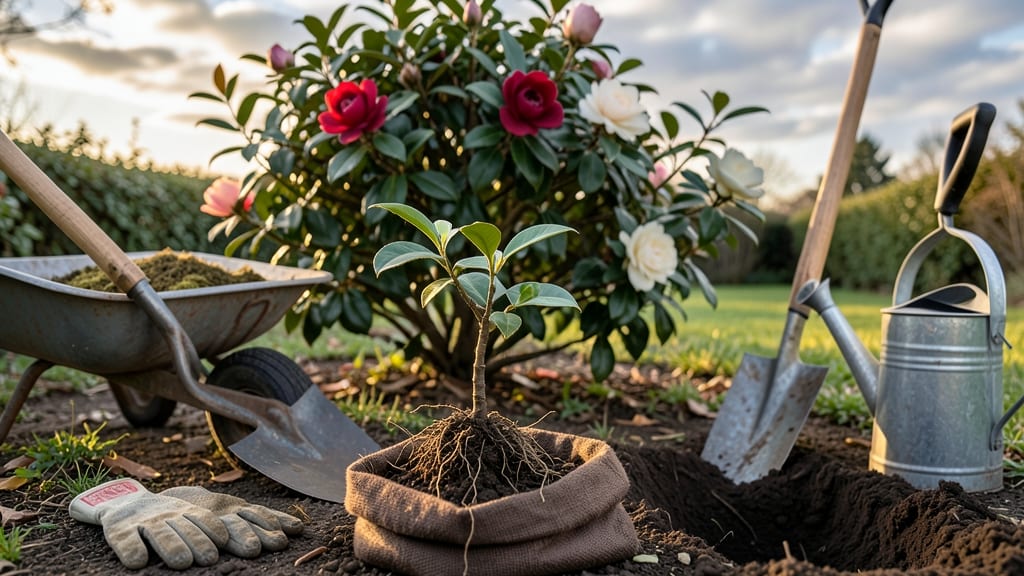
Planting your Camellia 🌸 at the wrong time in Zone 9 could mean the difference between vibrant blooms and a struggling shrub that never quite thrives.
Unlike cooler climates, Zone 9’s mild winters and hot summers demand precise timing—fall or winter are your best bets, but getting the exact window matters more than you might think.
Here’s the secret: Camellias need cooler soil temperatures to establish roots before summer’s heat sets in. That means avoiding spring planting when the ground warms too quickly.
Whether you’re in coastal areas with milder winters or inland spots with occasional chilly snaps, the ideal months stretch from October through February—but not all varieties play by the same rules.
I’ll break down exactly which months work best for your specific Camellia type, how to prep your soil for success, and what to watch for if you transplant an established plant outside the perfect window.
Spoiler: There’s a 30-day window in late fall that’s the sweet spot for most gardeners in Zone 9.
Ready to set your Camellia up for years of lush foliage and stunning winter blooms? Let’s dive into the timing, soil prep, and pro tips that’ll make your planting season a game-changer.
Ideal planting windows for camellias in Zone 9: month-by-month breakdown
Zone 9’s mild winters and hot summers create a unique challenge for camellias, which need cooler soil to establish roots. The best planting window spans from late October through February, but not all months are equal.
Coastal areas like San Diego can plant slightly later, while inland spots like Phoenix should aim for earlier dates to avoid summer heat stress.
My top recommendation is November—this 30-day window offers the perfect balance of cool soil and adequate rainfall in most of Zone 9. However, if you miss this window, December and January still work well, provided you protect young plants from any unexpected cold snaps.
Here’s the breakdown you need to know before digging in:
If you’re in coastal Zone 9 (like Los Angeles or San Francisco), you can push planting into early December thanks to milder temperatures. But inland areas should aim for November at the latest to prevent summer heat stress before roots establish.
Pro tip: Test your soil temperature before planting—ideal soil temps should be below 70°F. Use a simple soil thermometer to check 6 inches deep before digging. If temps are rising, wait a week or two.
For container-grown camellias, you can plant up to March in coastal areas, but always provide afternoon shade during the hottest months. The key is giving young plants time to acclimate before summer’s intensity peaks.
Ideal planting windows for camellias in Zone 9: month-by-month breakdown
Zone 9’s mild winters create a unique challenge for camellias—they need cooler soil to establish roots but can’t handle summer heat stress. The 30-day window between late October and mid-November is your golden opportunity, but timing shifts slightly based on whether you’re in coastal or inland Zone 9.
Coastal areas (like San Diego or Santa Barbara) stay warmer longer, so aim for October planting when soil temps drop below 75°F. Inland regions (such as Phoenix or Las Vegas) can plant as late as mid-November, when nighttime temps dip into the 50s°F.
Here’s the breakdown: October-November for most varieties, with December-February as a secondary window for bare-root plants or container-grown camellias that need extra root establishment time.
| Month | Coastal Zone 9 | Inland Zone 9 | Soil Temp Goal |
|---|---|---|---|
| October | ✅ Ideal (soil cools) | ✅ Best time | Below 75°F |
| November | ✅ Still good | ✅ Perfect | Below 70°F |
| December | ⚠️ Risk of frost | ✅ Safe for bare-root | Below 65°F |
| January-February | ❌ Avoid (dormancy) | ⚠️ Only for containers | Below 60°F |
If you miss the fall window, early spring (March) is your last chance—but expect slower establishment due to warmer soil. Pro tip: Use shade cloth for the first 30 days to protect newly planted camellias from Zone 9’s intense sun.
For container-grown camellias, you can stretch the window slightly into early March, but prioritize root-bound plants over those with circling roots. Always water deeply after planting to encourage root spread before summer arrives.
Remember: Camellias hate transplant shock, so amend your soil with peat moss or sulfur to maintain the acidic pH they crave. Your 30-day fall window is your best shot at bloom-worthy success in Zone 9’s tricky climate. 🌸