
Plants
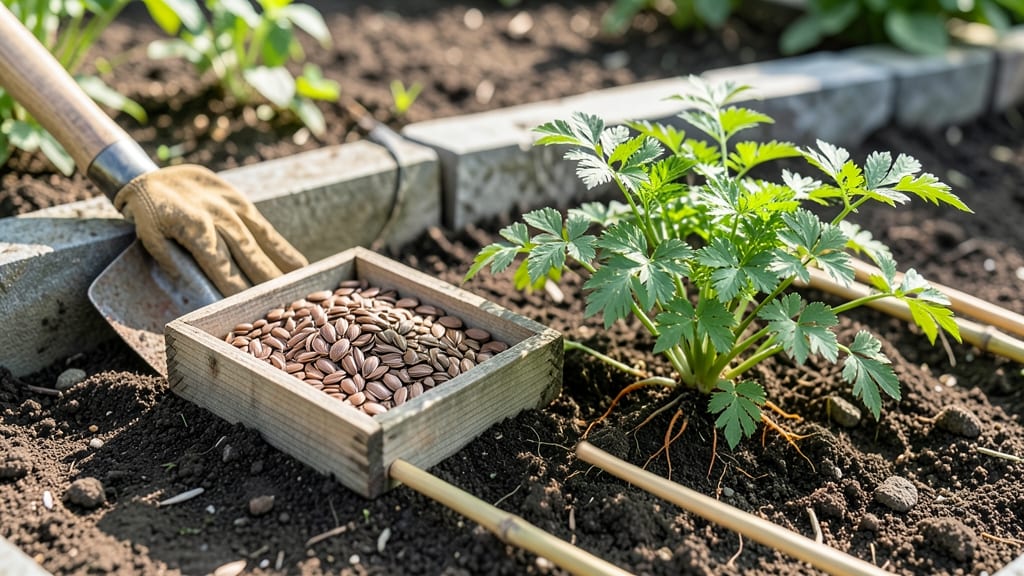
When to plant carrot seeds in Michigan is the key to unlocking a garden full of sweet, crisp roots—or watching them turn bitter and bolt before you can harvest. Plant them too early, and those tender roots race into woody greens faster than you can blink. Too late, and frost steals your prize before they even mature. The 5b-6b zone has its quirks, and getting it wrong means watching your garden dreams wither. Most gardeners here swear by two planting windows: spring and fall. But here’s the catch—Michigan’s short growing season demands precision. You’ve got about 150 frost-free days to work with, and every week counts. Miss the mark, and you’ll end up with either scraggly, woody roots or none at all. Let’s break down the exact months and tricks to make sure your carrots thrive, not just survive. I’ve tested this myself, and the secret isn’t just about dates—it’s about reading your soil and sky. Too much heat or long daylight hours can send your carrots bolting faster than you can say “harvest time.” That’s why I’ll share the best months to plant, plus how to stretch your season with smart techniques. No guesswork, just crisp, perfect roots from seed to table. Ready to stop the trial-and-error? You’ll walk away knowing exactly when to sow, how to avoid common pitfalls, and which varieties hold up best in Michigan’s fickle climate. Let’s get those seeds in the ground the right way—so you can enjoy homegrown carrots all season long.
Michigan carrot planting calendar: month-by-month guide to avoid bolting
Michigan’s short growing season and variable frost dates make timing critical for carrots. Plant too early, and long daylight hours trigger bolting before you harvest. Too late, and fall frosts stunt growth. The key? Soil temperatures above 50°F and strategic sowing windows that align with Michigan’s USDA zones 4-6.
Most gardeners focus on spring planting, but Michigan’s climate also allows for a fall harvest. The difference between success and failure often comes down to microclimates—whether you’re in Detroit’s urban heat islands or Traverse City’s cooler lakeshore.
Let’s break down the best months and critical thresholds to maximize your carrot yield.
🌱 Did You Know? Michigan’s average last frost date is April 15, but northern regions (like Marquette) can see frost until May 10. Southern areas (like Kalamazoo) may be frost-free by April 1. Always check your local Michigan State University Extension frost maps before planting.
| Month | Planting Window | Soil Temp (°F) | Days to Harvest | Key Considerations |
|---|---|---|---|---|
| March | Under frost cloth | 45-50°F | 70-80 days | Risk of bolting; use shade cloth if temps rise |
| April | Mid-April (after last frost) | 50-55°F | 60-70 days | Ideal for early varieties like 'Paris Market' |
| May | Early May | 55-60°F | 60-75 days | Best for mid-season varieties; watch for bolt risk |
| June | Early June | 60-65°F | 70-80 days | Last chance for spring harvest before bolting |
| July | Late July | 55-60°F | 60-70 days | Start fall crop; use shade cloth if hot |
| August | Early August | 50-55°F | 60-75 days | Extend season with row covers; harvest by Oct 15 |
For spring planting, aim to sow seeds 4-6 weeks before your last frost date. In most of Michigan, this means mid-April.
If you’re in Zone 5b (like Grand Rapids), wait until May 1 to avoid bolting. Soil temperature is more critical than air temperature—use a soil thermometer to confirm it’s at least 50°F before planting.
Michigan’s fall planting window is narrow but rewarding. Start late July to early August for a harvest before first frost (typically October 15). Choose bolting-resistant varieties like 'Chantenay' and use row covers to extend the season. If you’re in
5 Pro tips to extend Michigan’s carrot growing season without risking bolting
Michigan’s short growing season forces us to get creative with carrots. The key to success isn’t just timing—it’s extending that window while keeping your plants happy. I’ve learned that succession planting and smart soil prep can add weeks (or even months) to your harvest.
The trick? Avoid letting those long summer days trigger bolting by using shade and soil tricks that fool your carrots into thinking it’s still spring.
First, let’s talk about succession planting. Instead of sowing all your seeds at once, space them out every 2-3 weeks from mid-April through early July. This ensures a steady supply of fresh carrots without overcrowding.
For example, my first batch goes in around April 15, followed by new seeds every 21 days. By late July, I’m already planting my fall crop—this way, I’m harvesting through October!
🌱
Succession Plant Every 2-3 Weeks
Use Shade Cloth for Late-Season Sowings
Warm Soil with Black Plastic Mulch
Choose Short-Day Varieties
Thin Seedlings Properly
For late-season plantings (after July 15), I swear by 30% shade cloth to block extra sunlight and prevent bolting. This simple trick buys me an extra 4-6 weeks of growth before frost hits.
Just drape it over your rows and secure it with stakes. It’s like giving your carrots a cool, shady vacation—they’ll thank you with crisp roots instead of bitter greens.
Another game-changer? Black plastic mulch in early spring. Lay it down 2-3 weeks before planting to warm the soil faster. Carrots need soil temps of at least 50°F to germinate, and this hack gets my beds ready weeks ahead of schedule.
Pro tip: Remove the mulch once seeds sprout to avoid overheating.
Don’t overlook variety selection—some carrots handle Michigan’s long daylight better than others. Short-day varieties like ‘Paris Market’ or ‘Little Finger’ bolt less in our climate. I’ve also had luck with ‘Danvers Half Long’, which matures in just 60 days—perfect for squeezing in a late harvest.
Avoid long-day types like ‘Nantes’ unless you’re planting early.
Finally, thinning seedlings might seem tedious, but it’s non-negotiable. Crowded carrots twist and fork, and stressed plants bolt faster. Thin to 2-3 inches apart when seedlings have two true leaves. Use scissors to snip at soil level—it’s cleaner than pulling and less traumatic for the roots.
✂️