
Plants
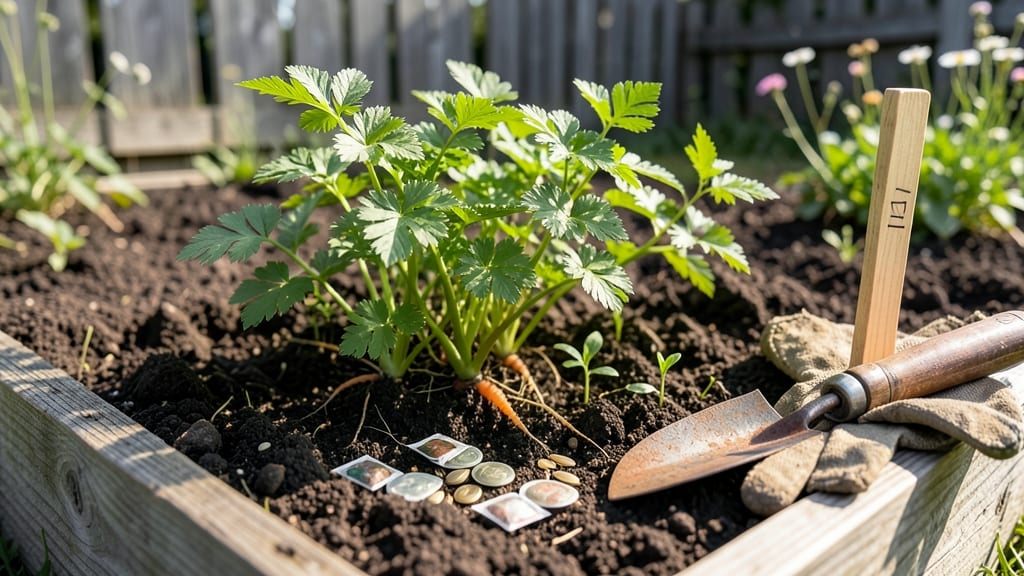
Timing your carrot planting in spring can make or break your harvest—get it wrong, and you’ll end up with bitter, stunted 🥕 instead of the sweet, crisp roots you crave. Whether you're in chilly Zone 6 or a warmer region, knowing the perfect window matters more than you might think.
The key is planting 2-4 weeks before your last frost when soil temperatures hit at least 50°F. This ensures your seeds germinate properly and avoids the common mistake of planting too early in cold, wet soil.
For General (USDA Zone 6 default) gardeners like me, that usually means aiming for early April—just in time to catch those spring rains.
But here’s the thing: your exact deadline depends on whether you’re growing baby carrots or full-size roots, and even your local microclimate plays a role. I’ll walk you through how to adjust for late frosts, warm spells, and other surprises that can throw off your planting schedule.
Ready to grow carrots that rival the grocery store? Let’s dive into the zone-specific deadlines, soil prep secrets, and companion plants that’ll give you a bumper crop—without the guesswork.
Spring planting deadlines by USDA hardiness zones for maximum carrot yield
Getting your carrot seeds in the ground at the right time is everything—plant too early, and you’ll risk frost damage or stunted growth; too late, and summer heat will make roots tough and woody. The key is understanding your USDA zone and soil temperatures, which vary dramatically across regions.
For most gardeners, the ideal planting window falls between 2-4 weeks before your last frost date and early summer, but exact timing depends on where you live.
Carrots are cool-season crops, meaning they thrive when soil temperatures hover between 55°F and 75°F. If your soil is too cold (<50°F), seeds may rot; too hot (>80°F), and roots will bolt or grow poorly.
Below, I’ve broken down the zone-by-zone deadlines for spring planting, including the best calendar dates and soil temperature thresholds to aim for.
🌱
🌱 Spring Carrot Planting Deadlines by USDA Zone
| Zone | Soil Temp Threshold | Last Frost Date | Ideal Planting Window | Notes |
|---|---|---|---|---|
| 3-4 (Alaska, Northern Canada) | 55°F+ | Late May - Early June | June 1 - June 15 | Use row covers; short season |
| 5-6 (Northern U.S., Canada) | 50°F+ | Mid-April - Early May | April 20 - May 10 | Direct sow after frost |
| 7-8 (Midwest, Northeast) | 55°F+ | Mid-March - Early April | March 25 - April 15 | Best for early varieties |
| 9-10 (Southwest, California) | 60°F+ | Late January - Early February | February 15 - March 10 | Avoid summer heat; plant in fall too |
💡 Pro Tip: For zones 9-10, consider fall planting (August-September) to escape summer heat.
If you’re in USDA Zone 5 or 6—like much of the Midwest and Northeast—aim to plant your carrot seeds between late March and mid-April, once soil temperatures consistently reach 55°F.
In Zone 7 and warmer, you can start as early as February, but be prepared to use row covers if late frosts are possible. The last frost date is your best friend here; carrots can tolerate light frosts, but hard frosts will kill seedlings.
For gardeners in Zone 3 or 4, where winters are harsh, focus on short-season varieties like 'Early Nantes' or 'Paris Market'. These mature in 50-60 days, giving you a better chance of harvest before summer heat sets in.
In these colder zones, I recommend starting seeds indoors 4-6 weeks before your last frost date and transplanting seedlings once soil warms.
One common mistake I see is planting carrots too early in cold soil, which leads to rotten seeds or slow germination. To test soil temperature, use a soil thermometer—if it’s below 50°F, wait a few more weeks.
Another trick is to plant a test row a week before your target date; if those seeds sprout within 7-10 days, your soil is ready for the full planting.
🌿
Remember, succession planting is your secret weapon for a continuous harvest. In most zones, you can make 2-3 plantings throughout spring and early summer, spacing them 2-3 weeks apart. This ensures you’re always pulling fresh carrots from the garden.
For example, in Zone 6, I’ll plant my first batch around April 1, the second in mid-April, and the third in early May—this way, I have carrots ready by June and again in July.
Finally, soil preparation is just as critical as timing.
How to adjust planting dates for early vs. late spring conditions
Spring weather can be unpredictable—one day it’s 60°F and sunny, the next a 32°F frost warning. If you’re planting carrots, these swings can throw off your entire harvest. The key is flexibility: knowing when to push forward during warm spells or delay if late frosts loom.
I’ve learned this the hard way after watching my seed packets turn to mush in cold soil!
For early spring warmth, watch your soil thermometer—carrot seeds need 50°F+ soil to germinate. If your area hits 55°F+ for 3+ days in late March, it’s safe to plant 2-3 weeks early. Just cover seeds with row fabric if nights dip below 40°F to protect tender sprouts.
But if your region has late frosts (like Zone 5’s average May 10th frost date), wait until 2 weeks after your last frost. Baby carrots are more forgiving—plant them 3-4 weeks before full-size varieties to stretch your harvest window.
I’ve had success with ‘Paris Market’ carrots in cold frames as early as mid-March in Zone 6.
- Use cold frames: Add 2-4 weeks to early planting by trapping heat with clear plastic lids.
- Try row covers: Floating fabric raises soil temps by 5-10°F—perfect for late frosts.
- Plant in black plastic: Warms soil 5-7°F faster than bare earth for earlier sowing.
- Choose fast varieties: ‘Early Nantes’ matures in 55 days—ideal for short seasons.
- Succession plant: Sow every 2 weeks until mid-July for continuous harvests.
Don’t overlook microclimates—south-facing beds warm up 3-5 days earlier than north sides. I once planted carrots on my sunniest slope 10 days before my official last frost date and still got great germination. Test your soil with a thermometer for 3 days to confirm readiness.
If you’re unsure, start with baby carrots—they tolerate cooler soils better than full-size varieties. For example, ‘Little Finger’ carrots thrive in 45°F soil and mature in just 60 days.
This gives you a safety net if spring drags on. Just remember: no fertilizer until seedlings have 2 true leaves—too much nitrogen = leafy tops, tiny roots!
Pro tip: Keep a planting journal to track your local patterns. Note when you see dandelions blooming (sign of 55°F soil) or robins arriving (usually 2 weeks before last frost). Over time, you’ll spot your garden’s unique cues better than any calendar.