
Trees
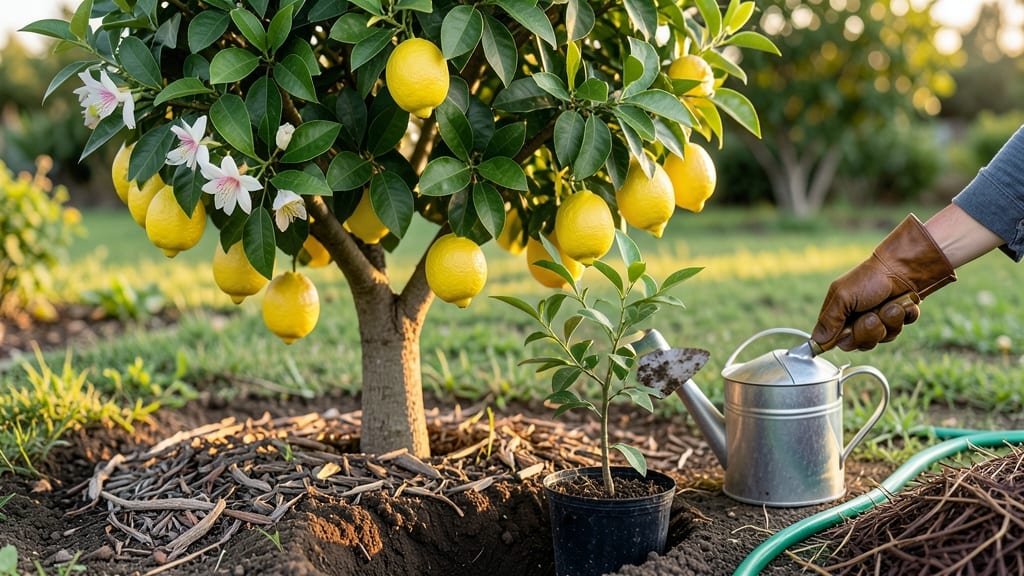
Planting a 🍊 citrus tree in Central Florida might seem simple—until you realize timing can make the difference between a thriving orchard and a sad, stunted sapling.
Unlike northern climates, Florida’s frost-free winters mean you can plant year-round, but late winter to early spring is your golden window for maximum success.
Why? Because those cooler months give young roots time to establish before summer’s brutal heat kicks in. Skip this window, and you risk stressing your tree with Florida’s intense humidity and pests lurking year-round.
The key isn’t just when you plant—it’s pairing the right timing with soil prep and variety choice.
I’ll walk you through the exact months to plant, how to pick the best citrus varieties for your microclimate (Orlando vs. Ocala aren’t the same!), and pro tips to protect your tree if you must plant outside the ideal window.
No more guessing—just a foolproof plan for citrus success in the Sunshine State.
Ready to grow fruit that’ll make your neighbors jealous? Let’s get started with the perfect planting schedule for your Central Florida citrus tree.
Central Florida’s frost-free planting window: exact months & temperature guidelines
Central Florida’s frost-free climate (USDA Zones 9a-10a) lets you plant citrus trees year-round, but timing still matters for optimal growth. The ideal window is late winter to early spring (January–March), when soil warms and pests are less aggressive.
Outside these months, you risk slow establishment or heat stress during summer planting.
While Central Florida rarely sees frost, microclimates matter—Orlando’s cooler nights (lows in the 40s°F) can stress young trees, while Ocala’s warmer valleys (lows in the 50s°F) offer more flexibility. Always check local frost-free dates via the UF/IFAS Extension or National Weather Service for your exact location.
Key temperature thresholds for planting:
- Soil temp: 60°F+ (root growth resumes)
- Air temp: 55°F+ (reduces transplant shock)
- Avoid planting when highs exceed 90°F (heat stress risk)
| Month | Avg. Soil Temp (°F) | Planting Risk | Best For |
|---|---|---|---|
| January | 55–65°F | Low (ideal) | Bare-root trees, containers |
| February | 60–70°F | Low (best) | All varieties, ground planting |
| March | 65–75°F | Medium (heat stress risk) | Dwarf varieties, potted trees |
| April–May | 75–85°F | High (avoid if possible) | Emergency planting only |
| June–August | 85–95°F | Very High (heat shock) | Not recommended |
| September–November | 70–80°F | Medium (hurricane risk) | Container trees, windbreaks |
For container-grown citrus, you can plant year-round in Central Florida, but January–March still offers the best root establishment. If planting in summer, use shade cloth for the first 2 weeks to reduce transplant shock. Always water deeply before planting to hydrate roots.
Central Florida’s humidity and rainfall patterns also play a role. Planting in dry months (December–March) reduces fungal diseases like root rot, while wet seasons (June–September) increase pest pressure. Choose well-draining soil (sandy loam) to prevent waterlogged roots, especially in low-lying areas.
Pro tip: Test your soil’s pH before planting—citrus thrives in slightly acidic soil (pH 6.0–7.0). If your soil is too alkaline, amend with sulfur or peat moss 2–3 weeks before planting. This small step can double your tree’s growth rate in the first year.
Use mulch (3–4 inches) of pine bark or wood chips after planting to retain moisture and regulate soil temperature. Avoid organic mulch like grass clippings, which can raise soil pH over time. For container trees, use a well-draining mix with perlite or sand.
If you’re planting multiple citrus trees, space them 15–25 feet apart (depending on variety)
Best citrus tree varieties for Central Florida & their ideal planting times
Central Florida’s USDA Zones 9a-10a mean you can grow nearly any citrus variety—but not all thrive equally. Some handle our humidity and heat like champions, while others need extra care. The best time to plant depends on the variety’s cold hardiness and growth speed.
For example, Meyer lemons and Calamondins are cold-hardy enough to handle occasional dips below 30°F, while Valencia oranges and Ruby Red grapefruit need protection below 28°F. Planting in January or February gives these varieties time to establish roots before summer’s peak heat.
Dwarf varieties like Improved Meyer lemon or Flying Dragon tangerine are perfect for containers and can be planted slightly later (March), while standard-sized trees like Sour Orange need that early start for strong root development.
| Variety | Cold Hardiness (°F) | Ideal Planting Month | Bearing Time | Size at Maturity |
|---|---|---|---|---|
| Meyer Lemon | 28°F | January-February | 1-2 years | 6-10 ft |
| Valencia Orange | 26°F | January | 3-5 years | 12-15 ft |
| Ruby Red Grapefruit | 24°F | December-January | 4-6 years | 15-20 ft |
| Flying Dragon Tangerine | 22°F | February-March | 1-2 years | 8-12 ft (dwarf) |
| Sour Orange | 20°F | January | 5-7 years | 15-25 ft |
Fast-bearing varieties like Calamondin or Kumquat can produce fruit within 1-2 years of planting, making them great for impatient gardeners. Slow-bearing types like Valencia oranges may take 3-5 years but reward you with heavier harvests over time.
If you’re in northern Central Florida (closer to Ocala), opt for cold-hardier varieties like Improved Meyer lemon or Satsuma mandarin. Southern areas (near Orlando) can handle tropical varieties like Carrizo citrange rootstock for grapefruit.
Pro tip: Dwarf varieties planted in containers can be moved indoors during rare cold snaps, extending their growing season even further. Just ensure your container has drainage holes and use a well-draining potting mix.