
Plants
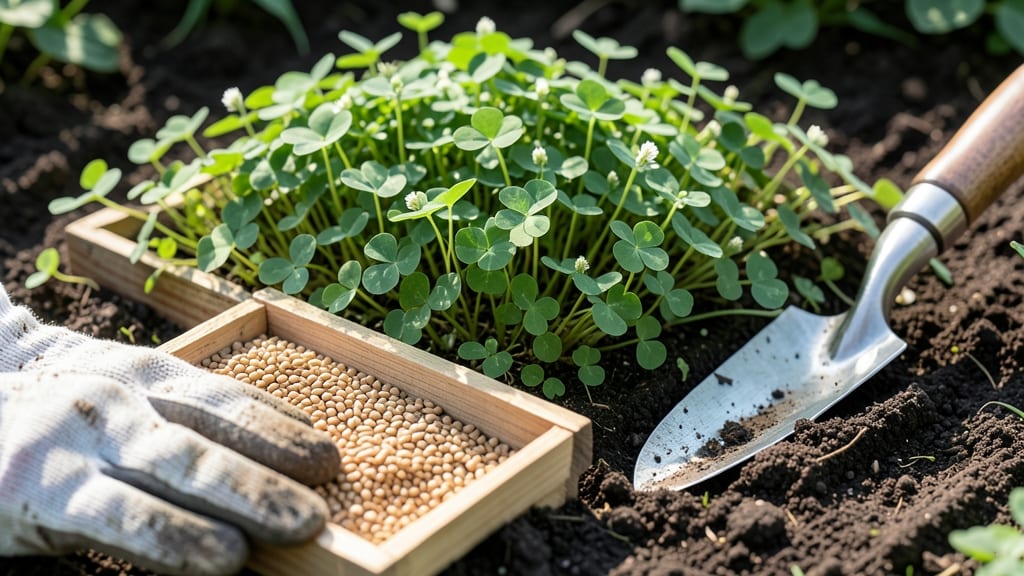
Timing your fall clover planting just right could mean the difference between a vibrant spring lawn and a patchy disappointment. This hardy little plant thrives when planted 4-6 weeks before your first frost, giving it time to establish roots before winter sets in.
For most gardeners in USDA Zone 6a (like me!), that means aiming for late August through early September. The key is planting early enough for roots to take hold, but not so early that summer heat stresses the young plants before they can settle in.
Why does timing matter so much? Clover's secret weapon is its ability to survive winter dormancy, but only if it's already established. Plant too late, and frost can kill off tender seedlings before they get a chance to grow.
The right window ensures your 🌱 clover comes back stronger in spring, ready to outcompete weeds and boost your soil with natural nitrogen.
Don't worry if you're new to this - I'll walk you through exactly how to prepare your soil, choose the right clover variety for your climate, and give your seeds the best chance to thrive. Let's get your lawn off to a great start this fall!
USDA Zone deadlines for fall clover planting by region
Getting your fall clover planting timeline right depends entirely on where you live.
The general rule is to plant 4-6 weeks before your first frost, but this translates to wildly different deadlines across the U.S. For example, gardeners in USDA Zone 3 need to plant by early August, while those in Zone 10 can wait until November.
Why such a big difference? Clover varieties like white clover and red clover need time to establish roots before winter dormancy. In colder zones, the window is tight—plant too late, and frost will kill your seedlings.
In warmer zones, you've got more flexibility, but still need to avoid summer heat stress.
I've planted clover in Zone 6a for years, and I've learned that late August to mid-September is my sweet spot. But if you're in Zone 5, you might need to start as early as July. Let's break down the exact deadlines by region to help you plan perfectly.
| USDA Zone | Planting Window | First Frost Date | Clover Variety Notes |
|---|---|---|---|
| 3-4 | July 15 - August 15 | Mid-September | Use white clover for best frost tolerance |
| 5-6 | August 1 - September 1 | Mid-October | Red clover thrives in cooler fall temps |
| 7-8 | September 1 - October 1 | Late November | Dutch clover works well for late planting |
| 9-10 | October 1 - November 15 | Early December | All varieties tolerate mild winters |
Pro tip: Check your local USDA Plant Hardiness Zone Map for precise frost dates. Even within the same zone, microclimates can shift planting deadlines by weeks. For example, a low-lying area in Zone 6 might frost earlier than a hilltop location.
If you're unsure about your exact zone, use the first frost date calculator from your local agricultural extension office. I always double-check mine through Purdue University's frost date tool—it's saved me from planting too late more times than I can count!
Remember that white clover is generally the most frost-tolerant variety, making it ideal for northern zones. Meanwhile, red clover and Dutch clover handle warmer fall conditions better. Choosing the right variety for your zone can make all the difference in winter survival rates.
One final tip: If you're in a transitional zone (like Zone 7b), aim for the earlier end of your window. It's better to plant a bit early and let the clover establish strong roots than to wait too long and risk frost damage.
Your future spring lawn will thank you!
Now that you've got your planting deadlines locked in, let's talk about how to prepare your soil for maximum clover success this fall. The right soil prep can mean the difference between patchy growth and a lush, nitrogen-rich carpet by spring.
USDA Zone deadlines for fall clover planting by region
Getting your clover seeds in the ground at the right time depends entirely on where you live. The general rule is to plant 4-6 weeks before your first frost, but exact dates vary dramatically across USDA zones 3-10.
Northern gardeners have a shorter window than those in warmer southern climates, so let's break it down by region to help you pinpoint your perfect planting window.
For USDA Zone 3-5 (think Minnesota, North Dakota, or New England), your last chance to plant is typically mid-August. These areas experience early frosts, so clover needs every warm day possible to establish roots before winter dormancy.
In Zone 6-7 (like my home in Ohio), you can stretch your planting window until early to mid-September, giving you more flexibility to adjust for late summer heat waves.
Southern gardeners in Zones 8-10 have the most leeway, with ideal planting times extending through late October. In these warmer climates, frost comes later, and mild winters allow clover to grow longer before dormancy.
However, even in these zones, planting too late can lead to weak establishment before winter slows growth.
Here’s how to find your exact deadline: check your average first frost date (available from local agricultural extensions) and count backward 6 weeks. For example, if frost hits November 15, aim to plant by mid-September.
Pro tip: Use white clover in cooler zones—it’s hardier than red clover and better suited for northern climates.
If you're unsure about your zone, use the USDA Plant Hardiness Zone Map to locate your area. Once you know your zone, adjust your planting date based on local weather patterns—some years, an early frost can sneak in, so having a backup date is smart.
For example, if you're in Zone 7 but had a late summer heatwave, you might want to plant on the earlier side of your window to avoid stressing young seedlings.
Remember, soil temperature matters just as much as air temperature. Clover seeds germinate best when soil is between 60-75°F. In cooler zones, wait until the ground warms up before planting—even if the calendar says it's time.
You can test soil temperature with a simple soil thermometer or by pressing your hand into the ground; if it feels warm but not hot, it’s likely ready.
Don’t let the fear of missing the window stop you! Even if you plant a week late, your clover can still establish—just expect slower growth before winter. The key is to prepare your soil properly and give your seeds the best chance to thrive.
Next, we’ll dive into how to get your soil ready for fall planting success.