
Plants
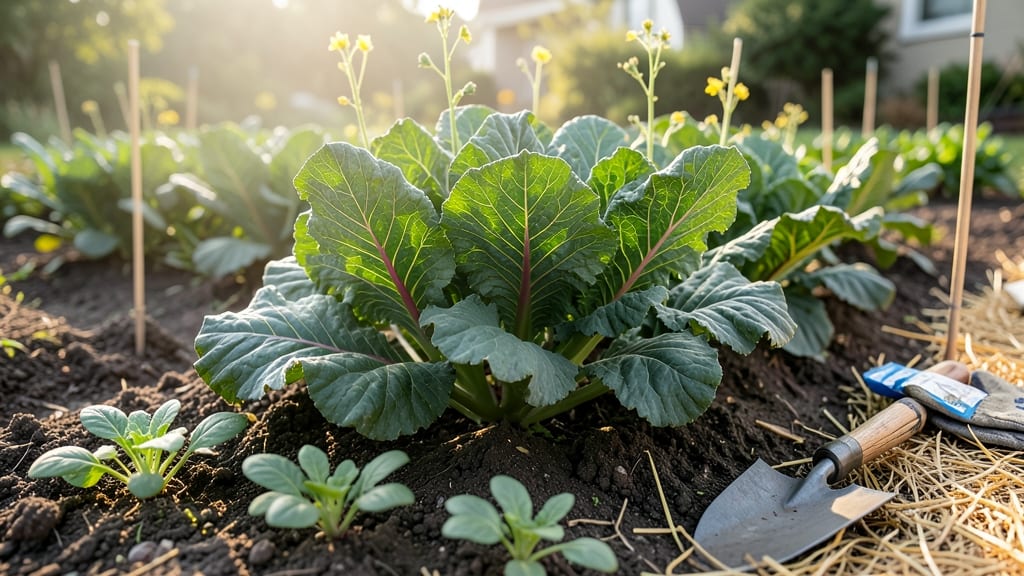
If you’ve ever wondered when to plant collards in South Carolina to avoid bitter flowers or wilting under the summer sun, timing is the secret weapon. Planting collards in the wrong window—whether too early or too late—can turn your harvest into a gamble, not a guarantee.
The key lies in understanding USDA zones 7b-8a, where spring’s mild warmth meets fall’s crisp air, creating two perfect planting opportunities.
Most gardeners in South Carolina make one of two mistakes: rushing collards into the ground before the last frost (around March 15) or waiting too long into summer when heat stress sets in.
But with the right schedule—March-April for spring and August-September for fall—you can enjoy tender, sweet leaves from May through November. Let’s break down the exact weeks to plant, plus the heat-tolerant varieties that thrive when temperatures climb.
Why does this matter? Because collards aren’t just another leafy green—they’re a heat-loving powerhouse that rewards patience. Skip the trial-and-error and learn how to align your planting with South Carolina’s unique climate, from coastal breezes to Piedmont heat. You’ll harvest longer, bigger, and more flavorful leaves with minimal fuss.
Ready to stop guessing and start growing? I’ll walk you through the precise planting calendar, soil prep secrets, and even how to stretch your harvest into winter. No more wasted seeds or sad, stunted plants—just a steady supply of 🥬 collards that taste like a Southern summer.
South Carolina collard planting calendar: exact weeks before frost & heat zones
South Carolina’s USDA zones 7b-8a create a unique growing window for collards, where you can enjoy two harvest seasons—spring and fall. The key is planting at the right time to avoid heat stress in summer or frost damage in winter.
Unlike northern climates, SC’s mild winters often allow for fall planting, but timing is critical to maximize your harvest.
For spring planting, aim to transplant collard seedlings 4-6 weeks before your last frost date (typically around March 15 in most of SC). This gives your plants time to establish roots before the heat of summer arrives.
In the Upstate region, where nights can still dip below freezing, start slightly earlier—around late February—while coastal areas can wait until mid-March.
Fall planting is where SC shines. Unlike colder climates, you can plant collards as late as mid-September in most areas, giving them time to mature before the first frost (usually mid-November).
In the Piedmont region, where frosts arrive slightly earlier, push your last planting to early September to ensure a full harvest before cold sets in.
One of the biggest mistakes SC gardeners make is planting collards too early in spring. Seedlings transplanted in February often bolt (send up flower stalks) by May when temperatures rise above 80°F.
To prevent this, use shade cloth during peak afternoon heat or choose heat-tolerant varieties like ‘Georgia Southern’ that can handle the transition from cool to hot weather.
For a continuous harvest, try successive planting. Start your first batch in early March for spring, then follow with a second planting in late July for a fall crop.
This staggered approach ensures you have fresh collards from May through November, avoiding the summer slump when most gardeners struggle with heat-loving crops.
SC’s humidity levels also play a role in timing. High humidity can lead to fungal diseases like downy mildew if plants aren’t spaced properly. Maintain 18 inches between plants and 24 inches between rows to improve airflow, especially during the dog days of summer when humidity peaks.
If you’re starting seeds indoors (which I recommend for a head start), begin 6-8 weeks before your target transplant datebiodegradable pots to avoid disturbing roots when moving outdoors.
Harden off seedlings by placing them outside for 2-3 hours daily starting 10 days before transplanting, gradually increasing exposure to mimic SC’s fluctuating spring temperatures.
Remember, collards are cool-season crops that thrive in temperatures between 60°F and 75°F. While they can tolerate light frosts (down to 20°F), prolonged cold will stunt growth.
Use row covers for early spring or late fall plantings to protect young leaves from unexpected cold snaps, especially in the Upstate where winters are slightly harsher.
By following this regional planting calendar, you’ll avoid the common pitfalls of SC gardening—heat stress, disease pressure, and frost damage
South Carolina collard planting calendar: exact weeks before frost & heat zones
South Carolina’s USDA zones 7b-8a create two ideal windows for planting collards: spring (March-April) and fall (August-September). The key is avoiding extreme heat or frost—collards thrive in 60-75°F soil and bolt when temperatures exceed 85°F for prolonged periods.
Coastal areas (like Charleston) have earlier last frosts (Feb 28), while Upstate regions (Greenville) average March 15.
For spring planting, start seeds 4-6 weeks before your last frost date—typically mid-February to early March for Upstate gardeners. Transplant seedlings outdoors 2-3 weeks before last frost, ensuring soil temps reach 50°F to prevent stunted growth.
Fall planting should begin 8-10 weeks before first frost (Nov 15), with seeds sown late July to early August for a harvest before winter chill sets in.
🌱Pro Tip: Use a soil thermometer to confirm temps—collard seeds won’t germinate below 45°F. In hotter inland zones (like Columbia), opt for shade cloth (30-50%) during summer months to protect young plants from heat stress.
| Region | Last Frost | Spring Planting Window | Fall Planting Window | Heat Adjustment |
|---|---|---|---|---|
| Coastal (Charleston) | Feb 28 | Feb 15 - Mar 1 | Aug 1 - Aug 15 | Use shade cloth in July |
| Piedmont (Columbia) | Mar 15 | Mar 1 - Mar 15 | Aug 15 - Aug 30 | Plant in partial shade |
| Upstate (Greenville) | Mar 15 | Mar 1 - Mar 15 | Aug 15 - Sep 1 | Start seeds indoors |
Adjust your schedule if you experience unusually early heat waves. For example, if temperatures spike to 90°F+ in May, delay spring planting until late April or use black plastic mulch to keep roots cool.
In fall, prioritize August sowings—seeds planted in September may not mature before frost hits in mid-November.
💧Watering Hack: After transplanting, water deeply every 2-3 days for the first 2 weeks to establish roots. Mulch with straw or pine needles to retain moisture and regulate soil temperature—critical in SC’s humid summers.
Remember, collards are biennials that thrive with proper timing. A well-planned spring crop will yield harvests from May through June, while a fall planting extends your bounty until November’s first frost.
With these exact dates, you’ll avoid the bitter bolting that plagues off-season plantings and enjoy collards at their sweetest.