
Plants
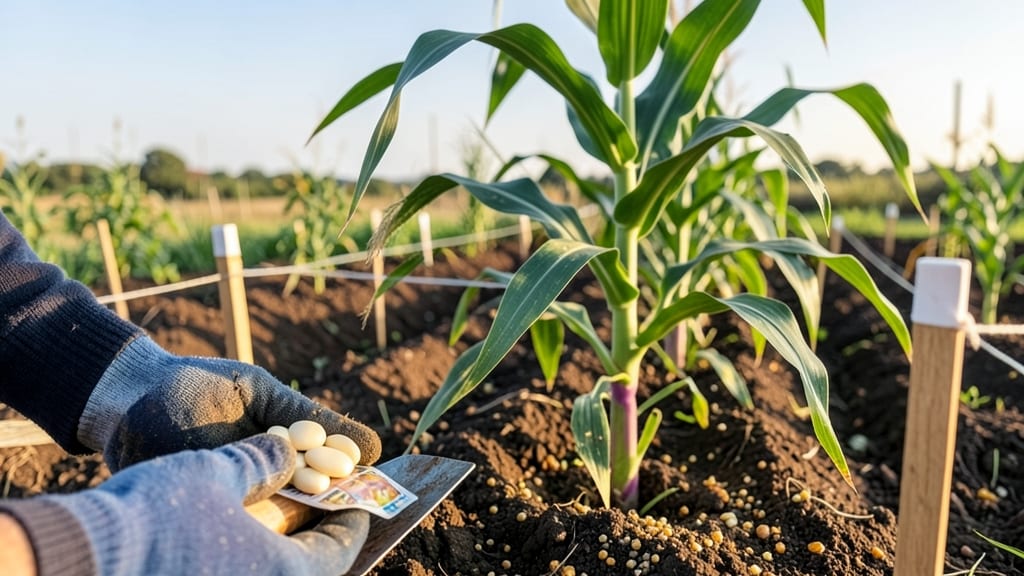
Timing your 🌽 corn planting in Canada can make or break your harvest—get it wrong, and you’re staring at frost-nipped stalks or stunted ears.
The difference between a bumper crop and a bust often comes down to knowing exactly when to drop those seeds into warm soil after the last frost.
Canada’s diverse climate means your neighbors in Southern Ontario might plant in early May while gardeners in Alberta wait until June. Soil temperature matters just as much as frost dates—corn needs 50°F (10°C) to germinate, and waiting for that warmth is non-negotiable.
Let’s break down the region-specific windows that’ll help you avoid common mistakes and maximize your yield.
You’ll also discover how to adjust for early, mid-season, and late corn varieties, plus how succession planting can stretch your harvest from August all the way to October. Whether you’re a first-time gardener or a seasoned pro, these insights will ensure your corn thrives—no guesswork required.
Ready to turn your garden into a cornucopia? I’ll walk you through the critical frost-date cheat sheet tailored to your zone, so you can plant with confidence and enjoy sweet, homegrown ears all season long.
Canada’s corn planting zones by frost dates: a region-by-region guide
Canada’s vast climate zones mean your corn planting window can vary by weeks or even months. In Zone 3 (e.g., Edmonton, Calgary), you’ll plant much later than in Zone 7 (e.g., Vancouver, Victoria).
The key is aligning your last frost date with corn’s 10°C (50°F) soil temperature threshold—planting too early risks frost damage, while waiting too long cuts harvest potential.
Most Canadian gardeners aim for a 120-day frost-free period to grow sweet corn successfully. This means shorter-season varieties (like ‘Early Sunglow’ at 75 days) work in northern regions, while longer varieties (like ‘Golden Bantam’ at 100 days) thrive in southern zones.
Always check your local frost dates from sources like the Canadian Hardiness Zone Map or Environment Canada.
Below is your frost-date cheat sheet for Canada’s gardening zones, including ideal planting windows, heat-unit requirements, and regional adjustments. Use this to pinpoint your perfect planting window and avoid common mistakes like overestimating your growing season.
If you’re in Zone 3 or 4, focus on short-season varieties (under 90 days) to avoid frost. For example, ‘Early Sunglow’ matures in just 75 days, giving it time to develop sweet ears before fall frosts.
In Zones 5–7, you can experiment with mid-season varieties (90–110 days) like ‘Country Gentleman’, which delivers plump, buttery kernels.
Pro tip: Use black plastic mulch to warm soil faster in cooler zones. This can shave 1–2 weeks off your planting window by raising soil temperatures by 5–10°F (3–6°C). Just be sure to remove it before harvest to avoid soil contamination.
For northern gardeners, consider succession planting every 2 weeks to stretch your harvest. Even if your first planting fails, a second batch may still produce ears before frost. Pair this with cold-tolerant varieties like ‘Ambrosia’, which handles cooler soils better than most hybrids.
In southern zones (6–7), you can push
How to adjust corn planting dates for early, mid-season, and late varieties
Choosing the right corn variety for your Canadian garden is just as important as timing. Early varieties like ‘Early Sunglow’ (85 days) mature quickly, while mid-season ‘Golden Bantam’ (110 days) offers classic sweetness. Late varieties like ‘Ambrosia’ (120+ days) need longer growing seasons but produce larger ears.
Your region’s frost-free days dictate which variety thrives. Southern Ontario’s 150+ frost-free days can handle late varieties, but Alberta’s 90-120 days demands early or mid-season picks. Always check the days-to-maturity label—it’s your corn’s passport to success.
🌽
| Variety Type | Days to Maturity | Best Regions | Planting Window | Harvest Window |
|---|---|---|---|---|
| Early Varieties | 60-90 days | Zones 2-5 (Alberta, BC, Prairies) | Late May to early June | Late July to early August |
| Mid-Season Varieties | 90-110 days | Zones 3-6 (Ontario, Quebec, Maritimes) | Early to mid-May (Zone 6) or late May (Zone 4) | August to early September |
| Late Varieties | 110-130+ days | Zones 5-7 (Southern Ontario, BC coast) | Mid-April to early May | Late August to October |
For succession planting, stagger seeds every 2 weeks to extend harvests. In shorter seasons (Zones 2-4), prioritize early varieties and use black plastic mulch to warm soil faster. This trick adds 10-14 extra days to your growing season—game-changing for northern gardens!
Pro tip: Soil thermometers are your best friend. Corn won’t germinate below 50°F (10°C), so wait until your soil hits this mark—even if frost dates suggest earlier planting. Patience here prevents wasted seeds and stunted plants.
💧