
Plants
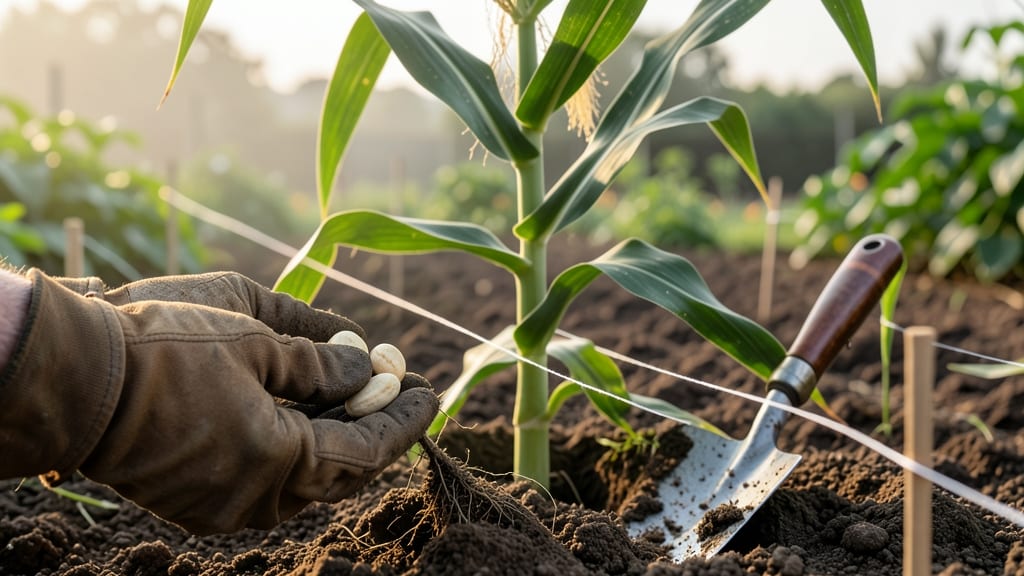
If you’ve ever wondered why your Georgia corn patch 🌽 either thrives or fizzles, the answer likely starts with a single question: When to plant corn in GA matters more than you think.
Georgia’s 7b-8b climate gives you a long growing window, but planting too early risks frost damage while waiting too late cuts harvest time short. The ideal window—mid-April to early June—aligns with soil temperatures hitting 60°F+, ensuring rapid germination.
But here’s the catch: coastal counties like Savannah have 30 extra frost-free days compared to North Georgia’s Piedmont region, meaning timing can shift by weeks.
I’ll break down the exact frost-free deadlines by county, variety-specific adjustments, and how to prep your soil for peak yield—no guesswork involved. Whether you’re growing sweet corn for summer meals or field corn for livestock, these insights will help you avoid common pitfalls like stunted growth or early bolting.
Ready to turn your corn patch into a high-yield success? Let’s dive into the county-by-county planting schedule that’ll have your ears plump and ready by late July.
Georgia’s frost-free planting zones for corn: county-specific deadlines
Georgia’s diverse climate means your corn planting window can vary by 100+ days depending on whether you’re in the Piedmont region or the coastal plains. While North Georgia gardeners should wait until mid-April to avoid frost, South Georgia growers can start as early as late February in protected microclimates.
The key is aligning your last frost date with corn’s 60-90 day growth cycle to ensure harvest before fall frosts hit.
For example, Fulton County (Atlanta area) typically sees its last frost around March 20, giving gardeners a 10-week window to plant early varieties like 'Silver Queen' (70 days to harvest).
Meanwhile, Camden County (South GA) can safely plant until May 15 thanks to its longer frost-free season. These differences highlight why localized planting charts are essential for Georgia corn growers.
Here’s how to match your county’s frost-free zone to the right corn variety and planting timeline, including adjustments for USDA Zone 7b (North GA) vs. Zone 8b (South GA).
If you’re in a transition zone (like Middle Georgia), aim to plant by April 30 to avoid late-summer heat stress, which can reduce ear fill and kernel quality.
For example, 'Bodacious' corn planted in early April in Bibb County will be ready by July 15, while the same variety planted in early May may struggle to mature before first frost in October.
Another critical factor is soil temperature. Corn seeds won’t germinate reliably until soil reaches 60°F. In North Georgia, this often means waiting until mid-April even if frost risk has passed.
Use a soil thermometer to confirm readiness—planting too early in cold soil leads to rotten seeds and poor stands. I’ve seen gardeners in Dawson County lose entire rows by ignoring this rule.
For field corn or popcorn varieties, extend your planting window by 2 weeks later than sweet corn, as these types have longer maturity cycles (90–120 days). For instance, 'Mangels' popcorn (110 days) planted in early May in South Georgia will be ready by September, avoiding fall frost risks.
Always check your seed packet for days to maturity and count backward from your average first frost date.
One common mistake Georgia gardeners make is planting all corn at once. Instead, stagger plantings every 2 weeks to ensure a continuous harvest.
For example, if you plant 'Silver Queen' on April 1, April 15, and May 1, you’ll have fresh ears from June through August. This strategy also helps manage pest pressure and disease risks by avoiding monoculture planting.
For those in elevated areas (like Blue Ridge Mountains), add an extra 2 weeks to your frost-free timeline. Counties like Fannin or Gilmer often see frost as late as April 15, so wait until <
How to adjust planting dates for corn varieties in Georgia’s heat zones
Not all corn varieties thrive in Georgia’s diverse climate zones. Early-maturing varieties like 'Silver Queen' (65 days) are perfect for North Georgia’s shorter season, while late-maturing types such as 'Peaches and Cream' (110 days) demand South Georgia’s extended heat.
The key? Match your variety to your frost-free window—not just your county’s average.
In North Georgia (USDA 7b), where frost lingers until April 15, plant short-season varieties by April 1 to harvest before fall’s early chill.
For South Georgia (USDA 8b), where frost rarely hits before March 1, you’ve got flexibility: late-March to mid-May works for both sweet and field corn.
Pro tip: Use heat-tolerant varieties like 'Golden Bantam' (dwarf, 70 days) for South Georgia’s 90°F+ summers. These handle high temps better than standard varieties, reducing kernel abortion (when ears fail to fill due to heat stress).
For North Georgia, opt for 'Ambrosia' (85 days), which matures before summer’s peak heat.
🌽 Georgia Corn Variety Guide by Heat Zone
- North GA (USDA 7b): 'Silver Queen' (65 days) – Plant by April 1 for harvest by June 15.
- Piedmont (USDA 7b/8a): 'Peaches and Cream' (110 days) – Plant by April 15 for late-September harvest.
- South GA (USDA 8b): 'Golden Bantam' (70 days) – Plant by March 15 or June 1 for fall crop.
- Coastal GA (USDA 8b): 'Ambrosia' (85 days) – Plant by April 1 or July 1 for winter harvest.
For field corn (used for livestock or grain), push planting to late April in North Georgia to avoid ear rot from summer humidity. In South Georgia, May planting is ideal—just ensure soil stays above 60°F for 3+ weeks post-planting to prevent slow germination.
If you’re experimenting with popcorn varieties like 'Mushroom' (90 days), plant in early May across most of Georgia. These need longer daylight to develop properly, so avoid planting before April 15 in North Georgia—you’ll risk stunted ears.
Remember: Georgia’s unpredictable weather means flexibility is key. Always have a backup planting date 2 weeks after your primary one, just in case. And if your area gets a late frost (like in 2023’s April freeze), cover seedlings with row fabric until temps stabilize.