
Plants
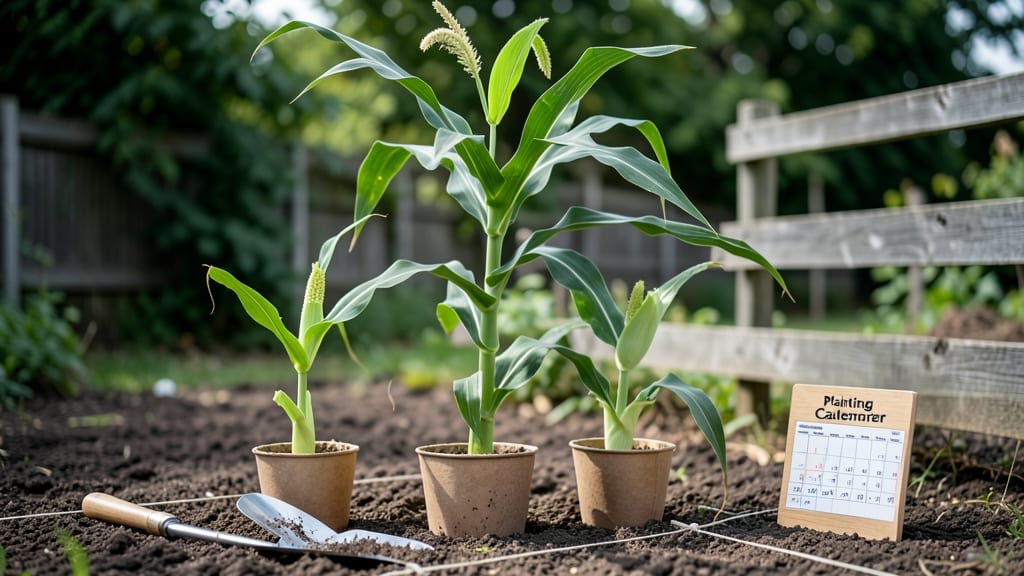
Timing your corn planting in North Carolina can mean the difference between a bumper crop and a disappointing harvest. With the right window—typically between mid-April and mid-May—you’ll give your 🌽 plants the best shot at thriving in the state’s 6a-8a zones.
But here’s the catch: planting too early risks frost damage, while waiting too long might leave you scrambling as summer heat sets in. I’ll break down the exact dates, soil temperature thresholds, and regional adjustments to ensure your corn grows strong and productive from seed to harvest.
Whether you’re a seasoned gardener or a first-timer, these science-backed tips will help you avoid common mistakes. We’ll cover everything from pre-sprouting seeds to adjusting for North Carolina’s microclimates—so you can enjoy fresh ears from July through September.
Ready to grow corn like a pro? Let’s dive into the critical factors that make all the difference in your garden’s success.
North Carolina corn planting dates by hardiness Zone (exact timing for success)
North Carolina spans USDA hardiness zones 6a-8a, creating distinct planting windows for corn. In Zone 7b (Piedmont), aim for mid-April to early May after the last frost, while Zone 8a (Coastal) can start as early as late March.
Mountain regions (Zone 6a) should wait until late May to avoid frost damage.
Corn seeds need soil temperatures above 50°F to germinate, but ideal growth occurs at 60°F+. Use a soil thermometer to confirm readiness—planting too early risks rot or poor germination. The last frost date varies: mid-April in Raleigh but early March in Wilmington.
For peak yields, align planting with your region’s frost-free window. Coastal areas enjoy 220+ frost-free days, while mountains have 165 days. Plan to harvest before the first frost, typically mid-October in the Piedmont and November in the mountains.
Adjust planting dates based on microclimates. Urban areas may experience 2-3°F warmer soil temperatures than rural zones, while low-lying spots can trap cold air. Use NC State Extension’s frost maps for hyper-local precision—link in resources below.
For summer varieties, plant a second crop in June (e.g., ‘Silver Queen’ or ‘Peaches and Cream’) to extend harvests. These need 90+ days to mature, so time them to finish before September’s first frost. Use black plastic mulch to warm soil faster in cooler zones.
Pro tip: Pre-sprout seeds indoors 2 weeks before outdoor planting to jumpstart growth in Zone 6a. Place seeds in a damp paper towel at 70°F until roots emerge (3-5 days), then transplant carefully to avoid root damage.
Monitor nighttime temperatures—corn struggles below 55°F. If late frosts threaten, cover seedlings with frost cloth or row covers. Coastal growers can push early plantings thanks to milder winters, but mountain gardeners should err on the side of caution.
Harvest timing hinges on daylength sensitivity. Short-day varieties (like ‘Bodacious’) mature faster in NC’s long summer days, while long-day types (e.g., ‘Golden Bantam’) need 14+ hours of daylight to trigger tasseling. Adjust planting dates 2 weeks earlier for short-day varieties.
Use these regional benchmarks to fine-tune your schedule:
- Raleigh: Plant April 15–May 1
- Charlotte: Plant April 1–April 15
- Asheville: Plant May 15–June 1
- Wilmington: Plant March 20–April 10
For container growing, start seeds 4-6 weeks earlier in biodegradable pots to transplant into 5-gallon+ containers. Place pots in full sun and ensure drainage holes—corn roots need oxygen to thrive.
5 Critical factors that determine the best planting time for NC corn
Beyond checking the calendar, five key factors dictate the perfect planting window for corn in North Carolina. Getting these right ensures strong germination, rapid growth, and disease resistance. Let’s break down what truly matters beyond just dates.
First, soil temperature is non-negotiable. Corn seeds won’t germinate below 50°F, but ideal growth starts at 60°F+. In cooler mountain regions (Zone 6a), wait until soil consistently hits 65°F—use a soil thermometer to avoid false starts.
Warmer Coastal zones (Zone 8a) can plant earlier, but even there, cold snaps can stall germination.
Next, nighttime temperatures reveal hidden risks. Corn struggles when nights dip below 55°F, leading to poor pollination and stunted ears. Monitor forecasts—if late frosts threaten, use frost cloth or row covers to protect seedlings until they’re 6 inches tall.
This is especially critical in Piedmont zones where frost can linger into May.
- 1 Soil Moisture: Corn needs consistent moisture at planting—dry soil = poor germination. Aim for 1-2 inches of water per week during establishment. Use drip irrigation to avoid wetting foliage (reduces fungal risks).
- 2 Daylength Sensitivity: Short-day varieties (e.g., ‘Bodacious’) mature faster in NC’s long summer days, while long-day types (e.g., ‘Golden Bantam’) need 14+ hours of daylight to tassel. Adjust planting dates 2 weeks earlier for short-day corn.
- 3 Variety Maturity: Early varieties (60-70 days) can handle June plantings, while late varieties (90+ days) need April starts. Match your last frost date to the variety’s days to maturity—e.g., plant ‘Peaches and Cream’ (75 days) by May 1 in Raleigh.
- 4 Microclimates: Urban gardens can be 2-3°F warmer than rural areas. Low-lying spots trap cold air, while south-facing slopes warm faster. Use NC State Extension’s frost maps to pinpoint your exact risks.
- 5 Drought Risk: Planting too late (June+) in dry years stresses corn during tasseling (critical pollination phase). Use mulch to retain moisture and drought-tolerant varieties like ‘Pioneer 39T03’ for Piedmont zones.
Don’t overlook soil moisture—corn roots need consistent hydration during germination. Dry soil at planting time leads to uneven sprouting and weak seedlings. In NC’s sandy Coastal soils, water daily until seedlings emerge, then taper to every other day.
For clay-heavy Piedmont soil, improve drainage with compost to prevent root rot.
Finally, variety maturity is the wildcard. Early varieties (e.g., ‘Ambrosia’) can handle June plantings for fall harvests, while late varieties (e.g., ‘Silver Queen’) need April starts. Cross-reference your last frost date with the variety’s days to maturity—aim for harvest before September’s first frost.
Use NC State Extension’s variety trials to pick winners for your zone.
Pro move: Test your soil 2 weeks before planting. Corn thrives in slightly acidic to neutral pH (6.0-7.0). Amend with lime if below 6.0 or sulfur if above 7.0. A quick home test kit saves time and money compared to lab tests.
By mastering these five factors, you’ll outsmart NC’s unpredictable weather and grow bigger, sweeter ears with fewer pests. Start with soil temperature, then fine-tune with nighttime forecasts and variety charts—your corn will thank you at harvest time. 🌽