
Plants
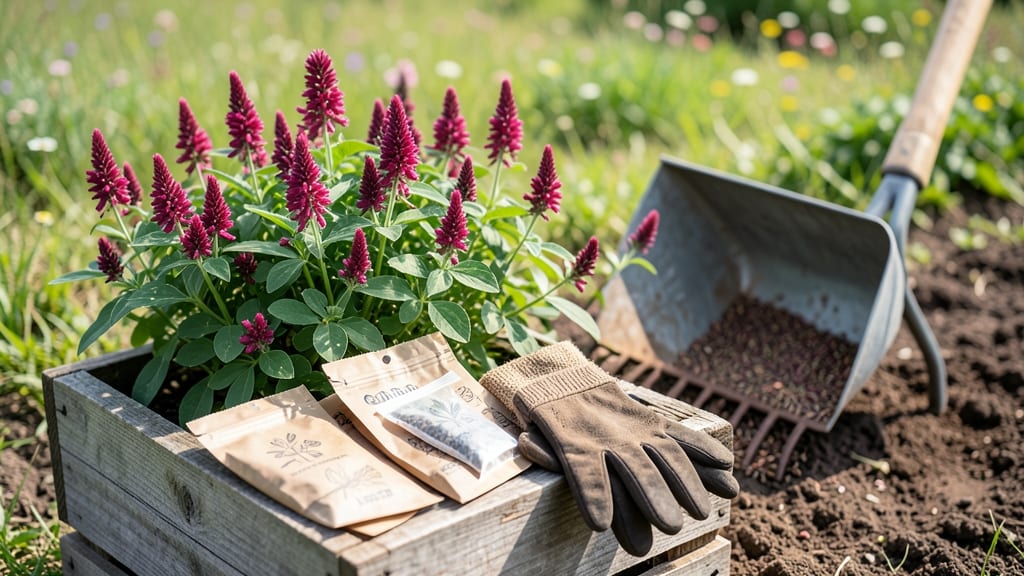
If you’ve ever struggled to get your North Carolina garden soil ready for spring, when to plant crimson clover in NC could be your secret weapon—but timing is everything.
Plant it too early, and summer’s heat will fry your seeds before they sprout; too late, and it won’t establish strong roots before winter. The sweet spot? Late summer to early fall, when soil temps drop below 80°F and frost isn’t lurking around the corner.
This hardy cover crop isn’t just pretty—it fixes nitrogen, suppresses weeds, and attracts pollinators, all while thriving in NC’s 6a-8b zones. But whether you’re prepping for spring blooms or just want to boost your lawn’s health, knowing the exact window makes all the difference.
Let’s break down the best months, soil prep tips, and regional tweaks to ensure your crimson clover takes root like a champ.
You might think spring planting is the way to go, but NC’s heat and humidity can turn seeds into sad, wilting memories. That’s why fall planting—typically August through October—gives crimson clover the head start it needs to survive winter and explode with growth by spring.
We’ll cover how to prep your soil, choose the right spot, and avoid common pitfalls that even experienced gardeners fall for.
Ready to transform your garden’s health without the guesswork? By the end of this guide, you’ll know exactly when to plant, how to care for it, and why fall is the gold standard for crimson clover success in North Carolina. Let’s get those seeds in the ground!
Optimal fall planting dates for crimson clover in NC (soil prep & establishment)
Crimson clover thrives when planted in late summer or early fall in North Carolina, giving it time to establish roots before winter dormancy. This timing ensures robust growth and spring blooms that attract pollinators while improving soil health. The key is planting when soil temperatures drop below 80°F—typically between August and October, depending on your NC climate zone.
North Carolina’s three distinct climate zones—Coastal, Piedmont, and Mountains—each have slightly different ideal planting windows. Coastal areas (Zones 8a-8b) can plant as late as mid-October, while the Mountains (Zones 6a-7a) should aim for late August to early September.
The Piedmont (Zones 7a-7b) falls in between, with early September being the sweet spot.
For maximum establishment, plant 4-6 weeks before your average first frost date. This gives seeds time to germinate and develop a strong root system before winter slows growth.
In most of NC, this means sowing by mid-October at the latest, but Mountain gardeners should start even earlier to avoid frost damage.
Soil temperature is your best guide—use a soil thermometer to confirm readings below 80°F at a depth of 2 inches. If temperatures remain above this threshold, seeds may rot before germinating. Coastal areas often stay warm longer, so monitor conditions closely if planting in late September or October.
Soil preparation is just as critical as timing. Crimson clover prefers well-draining soil with a pH between 6.0 and 7.0. Before planting, till the soil to a depth of 4-6 inches to loosen compacted layers. Mix in compost or aged manure to improve fertility, but avoid fresh manure, which can burn tender seedlings.
Seeds should be sown ¼ inch deep and spaced 10-15 inches apart for optimal growth. For larger areas, use a broadcast spreader and lightly rake the soil to ensure even coverage. A light mulch (like straw) can help retain moisture and suppress weeds without smothering young plants.
After planting, water gently but thoroughly to settle seeds into the soil. Keep the area consistently moist (not soggy) until germination, which typically occurs in 7-14 days under ideal conditions. Once seedlings emerge, reduce watering slightly to encourage deeper root growth.
One of the biggest mistakes NC gardeners make is planting too late in fall, which leaves clover vulnerable to winter dieback.
If you miss the fall window, consider spring planting (though success rates drop in hotter zones), or opt for heat-tolerant varieties like ‘Dixie’ crimson clover, which handles NC’s summer heat better than standard types.
To maximize winter survival, avoid heavy fertilization before frost. Crimson clover is a low-maintenance plant that benefits from minimal intervention. Instead, focus on mowing or light trimming in late winter to encourage fresh growth when temperatures rise in spring.
NC Climate Zones & Crimson Clover Planting Windows
| Zone | Ideal Planting Window | Soil Temp Threshold | Key Consideration |
|---|---|---|---|
| Coastal (8a-8b) | Late August – Mid-October | Below 80°F (often late) | Warmer winters; extend window to early November if needed. |
| Piedmont (7a-7b) | Early September – Early October | Below 75°F (sooner than Coastal) | Moderate frost risk; aim for 6 weeks before first frost. |
| Mountains (6a-7a) | Late August – Early September | Below 70°F (earliest window) | Cooler soils; plant early to avoid early frosts. |
🌱 Pro Tip: Test soil moisture weekly—crimson clover struggles in waterlogged conditions.
If you’re planting crimson clover as a cover crop (to fix nitrogen in the soil), aim for full establishment by late fall. This gives roots time to penetrate deeply and improve soil structure before spring.
For ornamental use (like in pollinator gardens), focus on spring blooms by ensuring robust fall growth.
One final tip: Companion planting can boost success. Pair crimson clover with pecan trees, lawn grasses, or vegetables like tomatoes to suppress weeds naturally and enhance soil fertility. Avoid planting near competitive perennials that may outcompete young clover seedlings.
With the right timing and care, your crimson clover will reward you with vibrant blooms, improved soil, and fewer weeds—all while supporting NC’s pollinator populations. Happy planting! 🌿
Optimal fall planting dates for crimson clover in NC (soil prep & establishment)
Fall planting is the gold standard for crimson clover in North Carolina because it gives seeds time to establish roots before winter dormancy. The ideal window is late August through October, but your exact timing depends on your USDA zone and local frost dates.
In Zone 7a, aim for September 1–15 to avoid early frosts, while Zone 8a gardeners can push it until October 15.
Soil temperature is your best guide: Plant when daytime temps drop below 80°F and nighttime temps stay above 50°F. Use a soil thermometer to check—70°F is the sweet spot for germination.
In the Piedmont region, this usually aligns with early September, while Coastal NC can wait until late September due to milder winters.
Here’s how to prep your soil for success: Crimson clover thrives in well-draining soil with a pH of 6.0–7.0. Test your soil and amend with compost or lime if needed.
Avoid heavy clay soils, which can suffocate roots. A light raking to break up compacted areas will help seeds make contact with the soil.
| NC Region | Ideal Planting Window | Soil Temp Goal | Key Consideration |
|---|---|---|---|
| Coastal (Zone 8a) | Late Sept–Oct 15 | 65–75°F | Milder winters; push later dates |
| Piedmont (Zone 7b) | Early Sept–Oct 1 | 70–78°F | Balanced frost risk; prioritize early |
| Mountains (Zone 6a) | Aug 15–Sept 30 | 60–70°F | Earlier frost; plant ASAP |
After planting, keep seeds lightly moist but not soggy—aim for 1/4 inch of water per week until germination (about 7–14 days). Mulch with straw to retain moisture and suppress weeds, but avoid thick layers that can smother young plants.
By November, your clover should be well-established with 2–3 inches of growth, ready to overwinter.
One common mistake? Planting too close to frost. If temps dip below 30°F before roots establish, your clover may not survive. In Zone 7a, cover young plants with row fabric if frost is forecasted within 2 weeks of planting.
This simple step can mean the difference between a thriving spring cover and a failed experiment.
By following these regional guidelines, you’ll give your crimson clover the best shot at transforming your soil—naturally, affordably, and without the guesswork. Next up: What if you did miss the fall window? We’ll cover spring planting workarounds (and why they’re riskier) in the next section.