
Plants
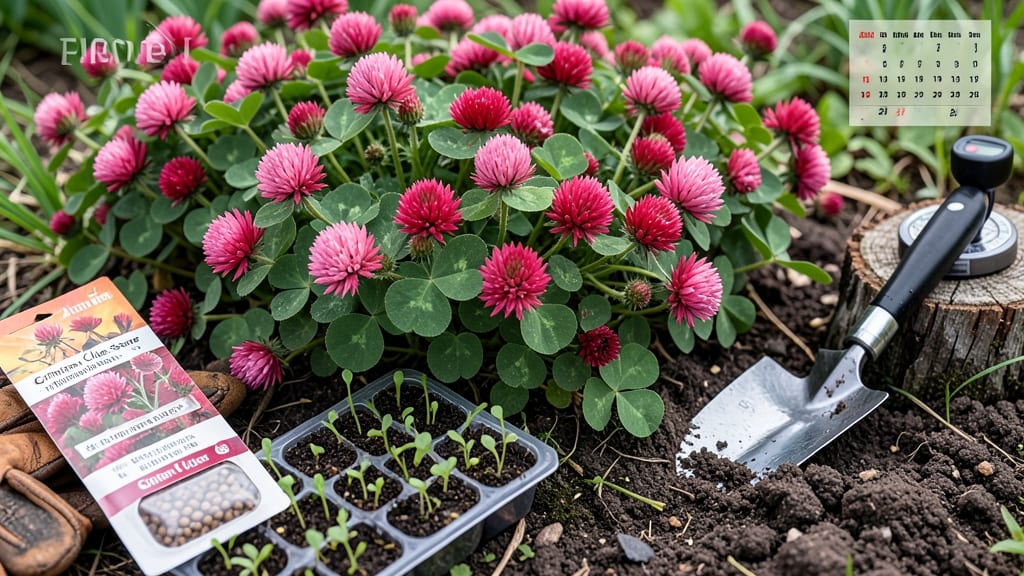
Planting crimson clover 🌸 at the wrong time in Texas can mean the difference between a thriving cover crop and a wasted effort—especially when dealing with the state’s scorching summers and unpredictable frost dates.
If you’ve ever wondered why some gardeners swear by fall planting while others prefer late winter, the answer lies in Texas’s diverse climate zones and microclimates. Whether you're in North Texas’s Zone 8a or South Texas’s 10b, timing is everything to avoid heat stress or early frost damage.
In this guide, I’ll break down the best months to plant based on your specific heat zone, plus how soil temperature and rainfall patterns can shift your strategy. You’ll also learn how to choose the right variety for your region’s unique conditions.
Ready to transform your soil with this hardy cover crop? Let’s get started with the planting schedule that works for your Texas garden.
Best planting months for crimson clover in Texas heat zones 8-10
Texas gardeners know that crimson clover thrives in cooler months, but the exact timing depends on your USDA heat zone. In Zone 8a (North Texas), aim for September 15–October 15 to establish roots before winter.
Meanwhile, Zone 10b (South Texas) can plant as late as November 1–December 15 to avoid summer heat stress.
For Zone 9a/b, split your planting into two windows: early fall (September 1–October 15) and late winter (February 15–March 15). This dual approach ensures coverage in both mild winters and spring transitions.
Always check your local first frost date—planting 4–6 weeks before frost gives crimson clover time to root deeply.
Spring planting is riskier in Texas due to rapid summer heat. If you choose spring, stick to February–March in North Texas and March–April in South Texas. Avoid planting after April 15 in most regions, as summer temperatures can exceed the plant’s 85°F tolerance threshold.
Here’s a quick reference for your Texas heat zone:
| Heat Zone | Best Planting Window | Avoid Planting After | Key Tip |
|---|---|---|---|
| Zone 8a (North Texas) | September 15–October 15 | November 15 | Soil temps drop below 65°F by late Oct. |
| Zone 9a/b (Central Texas) | September 1–October 15 OR February 15–March 15 | April 15 (spring) / November 30 (fall) | Split planting for year-round coverage. |
| Zone 10a/b (South Texas) | November 1–December 15 | January 15 | Wait for temps below 80°F at night. |
Microclimates can shift these windows by 2–4 weeks. For example, hill country areas may experience earlier frosts than coastal regions. Monitor local weather forecasts for soil temperature trends—crimson clover germinates best in soils between 50–65°F. Use a soil thermometer to confirm conditions before planting.
If you miss the fall window, don’t panic. Crimson clover is perennial in mild winters, so it may reseed naturally in spring. However, for maximum nitrogen fixation, prioritize fall planting.
In Zone 10b, some gardeners even plant in late summer (August) if they provide shade cloth during peak heat.
Pro tip: Mix crimson clover with ryegrass for early-season erosion control. The grass establishes quickly, while the clover takes over as temperatures cool. This combo is especially useful in North Texas where winters can be unpredictably cold.
Finally, avoid planting during drought conditions. Crimson clover needs consistent moisture for the first 4–6 weeks. If rainfall is scarce, use drip irrigation to keep soil evenly moist until roots establish.
With the right timing, your crimson clover will bloom spectacularly and leave your soil richer than ever. Next, we’ll dive into how soil temperature and rainfall patterns can make or break your planting success—especially in Texas’s erratic climate.
Best planting months for crimson clover in Texas heat zones 8-10
Texas’s diverse heat zones (8a-10b) create dramatic differences in planting success for crimson clover 🌸. In Zone 8a (North Texas), aim for September 15-October 15 to establish roots before winter, while Zone 10b (South Texas) gardeners should plant February 1-March 15 to avoid summer heat stress.
Fall planting is ideal for most Texans because it allows 4-6 weeks of growth before the first frost—critical for root establishment. In Zone 9, you can stretch planting into early November, but avoid planting after November 15 to prevent frost damage before germination.
For late-winter planting, February-March works best in Zones 9-10, where mild winters reduce frost risk. However, Zone 8a gardeners should wait until March 15 to ensure soil temperatures stay above 50°F.
🌱 Crimson Clover Planting Schedule by Texas Heat Zone
| Heat Zone | Best Planting Window | Soil Temp Requirement | Key Consideration |
|---|---|---|---|
| 8a (North Texas) | September 15-October 15 | 50-65°F | Avoid late fall planting; frost risk increases after October 30. |
| 9a (Central Texas) | September 1-October 30 or February 15-March 15 | 55-70°F | Flexible window; prioritize soil moisture in summer. |
| 10a-10b (South Texas) | February 1-March 15 (primary) or September 15-October 15 (secondary) | 60-75°F | Summer planting risky; opt for winter/spring to avoid heat stress. |
If you miss the fall window, don’t panic—late winter planting (February-March) still works well in Zones 9-10. Just ensure your soil stays consistently moist until seeds germinate, which can take 7-14 days in warm conditions.
Pro tip: Use a soil thermometer to confirm temperatures are above 50°F before planting. Crimson clover won’t germinate well in cooler soils, even if the air feels mild.
For North Texas gardeners, consider a light mulch layer (straw or leaves) after planting to retain moisture and protect young seedlings from erratic temperature swings. In South Texas, prioritize shade cloth if planting in late spring to prevent heat stress during germination.