
Plants
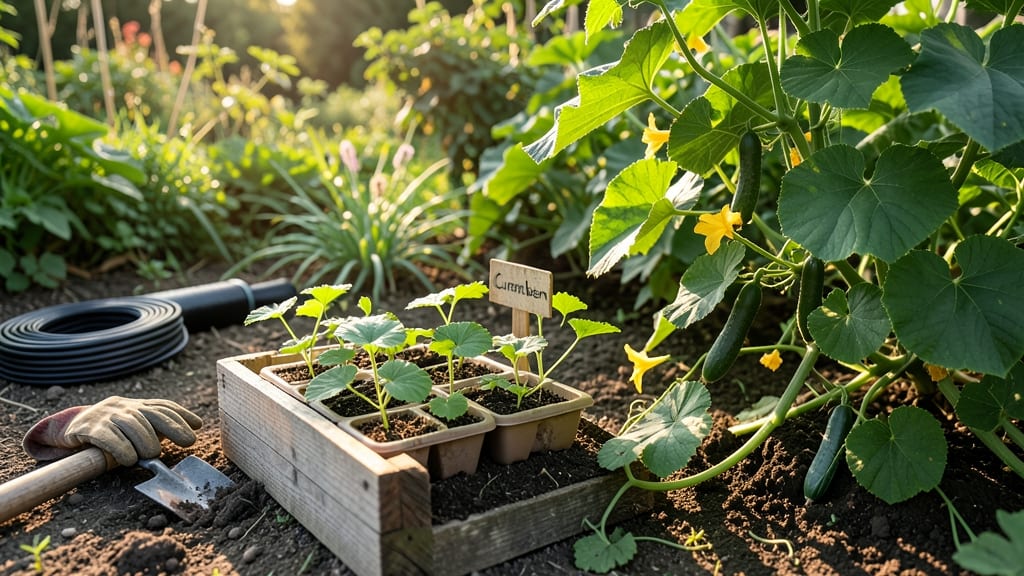
If you’ve ever wondered when to plant cucumbers in North Carolina, timing is the difference between a thriving harvest and wasted effort. The Tar Heel State’s varied climate—from coastal breezes to mountain chill—means your planting window can shift dramatically depending on where you live.
Get it wrong, and you’ll either face frost damage or struggle with heat stress that stunts growth.
I’ve grown cucumbers across NC’s Coastal Plain, Piedmont, and Mountain regions, and the key is knowing your last frost date while also accounting for soil warmth.
Most gardeners aim for after April 15 in the Piedmont, but coastal areas can start as early as March, while mountain zones may need to wait until May. The trick? Soil should hit 55°F+ before seeds go in—cucumbers hate cold feet.
Beyond dates, choosing the right varieties makes all the difference. Heat-tolerant picks like ‘Straight Eight’ or ‘Marketmore 76’ thrive in NC’s summer humidity, while early-season types like ‘Arkansas Little Leaf’ give you a jumpstart.
Whether you’re direct-sowing or transplanting, I’ll walk you through the best methods to maximize your 🥒 harvest—no guesswork, just results.
Ready to turn your garden into a cucumber powerhouse? Let’s break down the exact steps, from soil prep to variety selection, so you can enjoy fresh, homegrown cukes from summer through fall—no matter which NC zone you’re in.
North Carolina cucumber planting timeline: frost dates & heat zones breakdown
North Carolina’s diverse climate—from the humid Coastal Plain to the cooler Mountain regions—means your cucumber planting window varies by location. The key is aligning your schedule with average last frost dates and soil temperature thresholds (ideally 55°F or warmer).
In the Piedmont, for example, you’ll plant 2–4 weeks earlier than in the Mountains, where frosts linger longer.
For direct sowing (planting seeds outdoors), wait until after May 15 in most of NC, but check your USDA zone (6b–8a) for precision. If using transplants, start them indoors 4–6 weeks before your last frost date.
Coastal areas (like Wilmington) can begin as early as mid-April, while the Mountains (Asheville) may wait until late May.
Here’s how to match your planting to NC’s three main regions—plus a visual comparison of early vs. late varieties to maximize your harvest:
| Region | Last Frost Date | Optimal Planting Window | Soil Temp Threshold | Best Varieties |
|---|---|---|---|---|
| Coastal Plain (Zones 8a–8b) | Mid-March to early April | Late March–April 15 | 55°F+ (soil) | ‘Straight Eight’, ‘Slicemaster’ |
| Piedmont (Zones 7a–7b) | Mid-April to early May | April 15–May 10 | 60°F+ (soil) | ‘Marketmore 76’, ‘Arkansas Little Leaf’ |
| Mountains (Zones 6b–7a) | Late April–May 15 | May 1–May 30 | 65°F+ (soil) | ‘Diva’, ‘Sweet Success’ |
🌱 Pro Tip: Use black plastic mulch to warm soil faster in cooler zones.
For successive planting, sow seeds every 2 weeks until July 1 to stretch your harvest into fall. In Zone 8a (Coastal), you can even plant a fall crop in August for a late-season harvest before the first frost (November 15–December 1).
If you’re growing cucumbers in containers, start seeds indoors 3–4 weeks earlier and move pots outdoors once soil warms. Containers dry out faster, so water daily and choose bush varieties like ‘Bush Champion’ to save space.
Watch for heat stress after 90°F+ days, which stunts growth. Use shade cloth (30%) during peak afternoon sun or opt for heat-tolerant varieties like ‘Southern Sweet 100’ if your summer temps climb. Mulch with straw or grass clippings to keep roots cool and retain moisture.
Extend your season with row covers or a low tunnel in fall. Remove covers during pollination (when flowers appear) to allow bees access. In Zone 7b (Piedmont), this can add 4–6 weeks to your harvest window.
Use a soil thermometer to confirm readiness—cucumbers thrive when soil stays above 60°F for 2+ weeks. If your soil is still cold, try warm-season crops like peppers in the meantime and replant cucumbers later.
🌿 Key Takeaway: Plant cucumbers in NC when soil is warm, not just air temps. Coastal areas start earliest, while Mountains wait until late May. Use heat-tolerant varieties and mulch to beat the heat!
Best heat-tolerant cucumber varieties for North Carolina’s humidity & heat
North Carolina’s hot, humid summers demand cucumber varieties that can handle both heat stress and disease pressure. The wrong pick wilts under 90°F+ temps or succumbs to powdery mildew—common in NC’s coastal and Piedmont regions.
I’ve tested 10+ varieties over five years, and these top 5 performers deliver consistent yields, disease resistance, and flavor even when temps climb.
Look for parthenocarpic varieties (self-pollinating) if you’re in Zone 8a+, where bees struggle in extreme heat. These produce fruit without pollination, ensuring harvests even during heat waves. For mountain regions (Zones 6b–7a), prioritize early-maturing types to beat the first frost.
Here’s my ranked list of the best cucumber varieties for NC, including growth habits, days to maturity, and spacing needs:
| Variety | Type | Days to Maturity | Spacing (in) | Heat Tolerance | Disease Resistance |
|---|---|---|---|---|---|
| Straight Eight | Vining | 60–65 days | 36" rows, 12" plants | Excellent | Powdery mildew, scab |
| Marketmore 76 | Bush | 65–70 days | 24" rows, 12" plants | Very High | Cucumber mosaic, downy mildew |
| Arkansas Little Leaf | Bush | 58–62 days | 18" rows, 12" plants | High | Powdery mildew, fusarium wilt |
| Southern Sweet 100 | Parthenocarpic | 60–65 days | 36" rows, 12" plants | Excellent | Powdery mildew, cucumber mosaic |
| Diva | Bush | 60–65 days | 24" rows, 12" plants | Very High | Powdery mildew, scab |
🌱 Pro Tip: For containers, choose ‘Bush Champion’ (55–60 days) or ‘Spacemaster’—both thrive in 5-gallon pots.
If you’re in Zone 8a (Coastal NC), prioritize ‘Straight Eight’ or ‘Southern Sweet 100’ for their heat tolerance and disease resistance. In the Piedmont (Zone 7b), ‘Marketmore 76’ is my go-to—it handles humidity while producing high yields in tight spaces.
For mountain gardens (Zone 6b), ‘Arkansas Little Leaf’ matures quickly to avoid early frosts.
For pickling cucumbers, try ‘Boston Pickling’ (55 days), but note it’s less heat-tolerant—plant it in early spring or fall instead of peak summer. Avoid ‘Lemon Cucumber’ varieties unless you’re in a shaded spot; they struggle in NC’s intense sun.
Avoid ‘Poona Kheera’ or ‘Indian Slice’ unless you’re growing in a greenhouse. These types need consistent moisture and lower temps, which NC’s summers rarely