
Plants
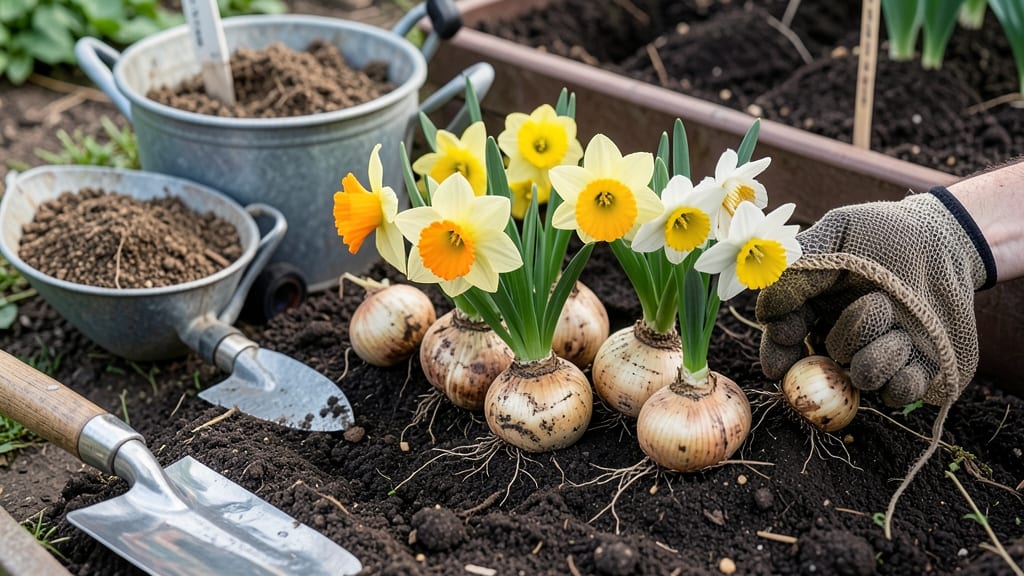
Knowing when to plant daffodil bulbs in Zone 9 could mean the difference between vibrant spring blooms and wasted bulbs that bolt before they even emerge. In places like Southern California or Phoenix, where winter rains are unpredictable, timing is everything.
The key window for planting 🌼 daffodils in Zone 9 is between November and January, when soil temperatures drop and winter rains begin. Planting too early risks premature sprouting, while waiting too long means bulbs won’t establish roots before spring heat arrives.
I’ll walk you through the exact steps to time your planting perfectly—from checking soil conditions to adjusting for your local microclimate. With these secrets, you’ll avoid common mistakes and set your daffodils up for a stunning spring display.
Whether you’re a first-time gardener or a seasoned pro, these insights will help you grow stronger, healthier daffodils that thrive in Zone 9’s mild winters. Let’s get those bulbs in the ground the right way!
Zone 9 daffodil planting timeline: exact months to avoid bolt risk
In Zone 9, where winters are mild and summers scorching, planting daffodil bulbs at the right time ensures they establish roots before spring heat arrives. The ideal window spans 6 weeks, starting in late November and ending in early January.
This timing aligns with natural rainfall patterns and soil temperature drops, preventing premature sprouting.
Daffodils planted too early may bolt (sprout leaves before winter), while those planted too late risk weak root systems unable to handle Zone 9’s spring heat. The goal is to plant when soil temps drop to 60°F (15°C)—a critical threshold for root growth without active shoot development.
For Southern California, aim for mid-November to December, while Arizona and Florida gardeners should plant between late November and January. Local microclimates matter: coastal areas may need earlier planting, while inland zones can wait slightly longer.
🌱 Pro Tip: Use a soil thermometer to confirm temps before planting. Bulbs should go into 60-65°F (15-18°C) soil—any warmer risks premature growth.
| Month | Soil Temp | Rainfall Cues | Risk Level |
|---|---|---|---|
| October | 65-75°F (18-24°C) | Early rains | High (bolt risk) |
| November | 60-65°F (15-18°C) | Steady rains | Low (ideal) |
| December | 55-60°F (13-15°C) | Peak rains | Low (ideal) |
| January | 50-55°F (10-13°C) | Tapering rains | Moderate (late but OK) |
| February | 55-60°F (13-15°C) | Dry spells | High (weak roots) |
🌼 Best Months: November-December
If you miss the ideal window, February is a last-resort month, but bulbs may struggle to establish roots before summer. In cooler microclimates (e.g., higher elevations in Arizona), extend planting into early February—just ensure soil stays moist until spring.
For container planting, adjust timing by 2-4 weeks earlier since pots warm faster. Use well-draining mixes with perlite to prevent rot, and place containers in partial shade until roots establish.
After planting, mulch heavily (3-4 inches) with straw or wood chips to insulate bulbs from temperature swings. This mimics natural winter conditions and reduces watering needs. Remove mulch in late winter to allow soil to warm for spring growth.
💧 Watering Tip: Keep soil consistently moist (not soggy) for 6-8 weeks post-planting. Zone 9’s dry winters can stress bulbs, so monitor rainfall and supplement as needed.
By following this 6-week window, your daffodils will emerge strong in late winter, ready to bloom by March-April—just in time for Zone 9’s mild spring. The key is patience: let nature’s cues guide you, and your bulbs will reward you with vibrant, long-lasting flowers.
Zone 9 daffodil planting timeline: exact months to avoid bolt risk
In Zone 9, where winters are mild and summers scorching, timing your 🌼 daffodil bulbs is critical. The ideal window runs from mid-November to January, but exact dates depend on your local microclimate.
For example, coastal areas like San Diego may start earlier, while inland desert regions like Phoenix should wait until December.
Planting too early—say, in October—risks premature sprouting, which weakens bulbs before winter rains set in. Conversely, waiting until February delays root growth, leaving them vulnerable to spring heat. The goal is to establish roots 6-8 weeks before winter rains begin.
| Month | Soil Temp (°F) | Rainfall Needed | Risk Level |
|---|---|---|---|
| October | 65-75°F | Low (coastal) | High (bolt risk) |
| November | 55-65°F | Moderate | Low (ideal) |
| December | 50-60°F | High | Low (best) |
| January | 45-55°F | Moderate | Low (still safe) |
| February | 55-65°F | Low | High (delayed growth) |
Use a soil thermometer to confirm temperatures are below 65°F—this signals bulbs to focus on root growth instead of sprouting. In Southern California, aim for early November, while Arizona gardeners should wait until mid-December to align with winter rain patterns.
Pro tip: If your area gets unpredictable rains, plant bulbs 6-8 weeks before the first downpour. This ensures roots establish before winter moisture triggers growth. For example, in Phoenix, December planting aligns with monsoon season.
Adjust for microclimates: Shaded areas may need slightly later planting, while sunny spots can handle earlier dates. Always plant bulbs 3x deeper than their height (typically 6-8 inches) to protect them from summer heat and encourage strong root systems.
Once planted, mulch with 2-3 inches of straw to retain moisture and regulate soil temperatures. This simple step can make the difference between thriving daffodils and bulbs that struggle to establish.