
Plants
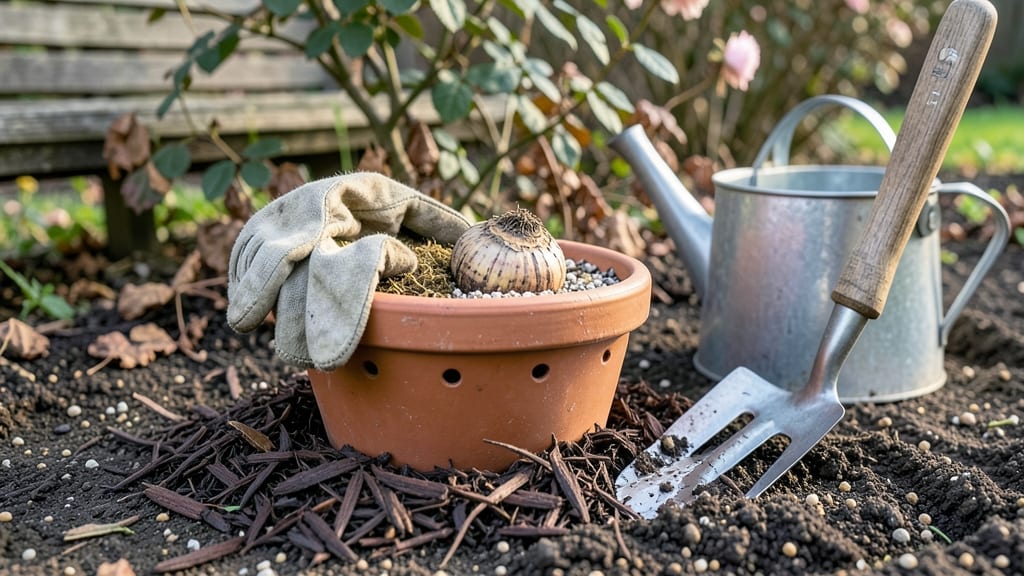
Timing your dahlias planting in Zone 9b isn't just about the calendar—it's about beating the heat before your 🌸 tubers bolt into premature flowers. Too early, and you’ll watch them race toward bloom instead of building strong roots; too late, and you’ll miss the June-October flowering window entirely.
The ideal window is narrow but critical: February through early March, when soil warms to 60°F but before the desert sun turns aggressive.
Here’s the game-changer: In Phoenix or Southern California’s inland valleys, you might start as early as late January for heat-tolerant varieties, while coastal areas with cooler microclimates can wait until March. The key is soil temperature—not frost dates—since Zone 9b’s rare cold snaps won’t harm established tubers if planted correctly.
I’ll show you exactly how to time it, plus how to adjust for your specific microclimate.
Why does this matter? Dahlias in Zone 9b face a double threat: summer heat stress and the risk of bolting (premature flowering). Planting at the right moment ensures your tubers establish roots before the heat peaks, giving you longer bloom seasons and fewer floppy stems.
You’ll also learn which varieties thrive here and how to care for them post-planting to avoid common mistakes.
Let’s break down the exact deadlines, soil prep secrets, and care tips to guarantee your dahlias go from tuber to showstopping bloom—without the stress. Ready to transform your garden?
Zone 9B dahlias planting deadlines: exact dates to prevent bolting
Zone 9B’s mild winters and hot summers create a unique challenge for dahlias—unlike cooler zones, you can’t plant tubers too early or they’ll bolt prematurely from heat stress. The ideal planting window is mid-February to early March, when soil temperatures hover around 60°F and frost risk is nearly zero.
Unlike Zone 5 gardeners who plant in late spring, Zone 9B dahlias thrive when planted earlier to establish roots before June’s scorching heat. Miss this window, and you’ll face stunted growth or no blooms—a common mistake in Southern California deserts.
Here’s the exact timeline for Zone 9B success, including soil temperature thresholds and heat-tolerant variety adjustments:
| Stage | Action | Soil Temp | Notes |
|---|---|---|---|
| Prep Tubers | Chit tubers (place in bright light, 60°F) | 55-60°F | Start 6-8 weeks before planting |
| Plant Tubers | 4-6" deep, 12-18" apart | 60°F+ | Mid-February (coastal) to early March (inland) |
| Transplant Seedlings | Hardened-off starts, 18" apart | 65°F+ | Late March (after last frost risk) |
| First Blooms | Pinch back early flowers | 70°F+ | June-July (peak season) |
| Dormancy Prep | Cut back, dig tubers | Below 50°F | November (before first frost) |
Zone 9B’s microclimates shift planting dates dramatically. Coastal areas like San Diego can plant 2 weeks earlier (early February) thanks to moderate ocean breezes, while inland deserts like Phoenix should wait until mid-March to avoid 100°F+ soil.
Use a soil thermometer to confirm readiness—dahlias won’t sprout until soil hits 60°F consistently. Pro tip: Mulch heavily after planting to retain moisture and lower soil temps by 5-10°F during peak summer.
Heat-tolerant varieties like ‘Café au Lait’ or ‘Bishop’ can handle Zone 9B’s intensity, but even they need afternoon shade from June to September. Without adjustments, dahlias will wilt by noon and stop blooming.
For container growing, plant 1 tuber per 12-inch pot and use self-watering systems—containers dry out 3x faster in Zone 9B’s heat. Elevate pots to improve airflow and prevent root rot.
Remember: Zone 9B dahlias bloom longer than northern varieties—with the right timing, you’ll enjoy cut flowers from June to October. The key is cool roots, hot tops: keep soil consistently moist while letting foliage bask in full sun.
How to adjust dahlias planting for Zone 9B’s microclimates (and avoid common mistakes)
Zone 9B’s microclimates can shift your dahlia planting window by 3-4 weeks, so blindly following a one-size-fits-all chart is a recipe for failure.
Coastal areas like San Diego enjoy cooler evenings and ocean breezes that let you plant 2 weeks earlier (early February), while inland deserts like Phoenix face 100°F+ soil by mid-March—delaying planting until late March or April is critical.
Even within a city, urban heat islands can create 10°F differences between shaded backyards and sun-baked front yards. If your garden sits near pavement or dark roofs, soil warms 5-10°F faster, forcing you to plant 2 weeks later than your neighbor.
Always check soil temperature with a thermometer—60°F is your magic number for sprouting.
Here’s how to diagnose your microclimate and adjust planting dates:
⚠️ Warning: Signs Your Dahlias Are Bolting Too Soon
- ✂️ Early flower stems appear before plants reach 18 inches tall
- 🌱 Leaves yellow at the base while new growth is still purple-tinged
- 🌡️ Soil temps exceed 70°F before tubers sprout (use a soil thermometer)
- 🌿 Stems elongate rapidly but stay thin and weak
Fix it:
Move plants to partial shade immediately, reduce watering slightly, and pinch back flower buds to redirect energy to roots. If planted too early, dig up tubers and replant in cooler soil.
For coastal gardeners, extend your season by planting heat-tolerant varieties like ‘Karma Choc’ or ‘Thomas Edison’—these handle 65°F+ soil temps better than standard types. Pair them with 30% shade cloth from June to September to lower soil temps by 10°F and reduce evaporation.
Inland gardeners should mulch aggressively with 4-6 inches of straw or wood chips to keep soil 5-10°F cooler during peak summer. Water deeply every 2-3 days at dawn to encourage deep root growth before the heat peaks. Avoid overhead watering—fungus thrives in Zone 9B’s humidity.
Container growers face the biggest challenges: pots heat up 20°F faster than ground soil. Use self-watering pots with light-colored fabric to reflect heat, and bury pots halfway in the ground to stabilize temps. Elevate containers on brick or cinder blocks for better airflow and reduced root rot.
Pro tip: Monitor your dahlias’ progress with a growth journal. Note when buds form, stems elongate, and flowers open—this helps you adjust next year’s planting for your exact microclimate.
With these tweaks, you’ll avoid bolting, extend blooms, and enjoy cut flowers from June to October—no matter where you garden in Zone 9B.