
Plants
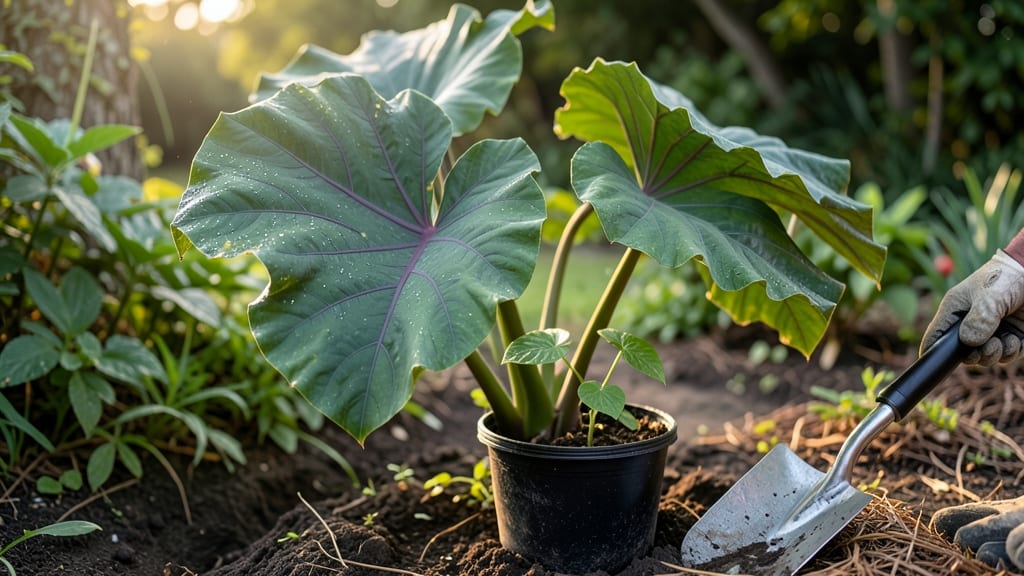
Timing your Elephant Ear 🌿 planting in Oklahoma isn’t just about waiting for spring—it’s about dodging late frosts and embracing the heat when the soil finally cooperates.
Those dramatic, tropical leaves won’t tolerate cold, so getting them in the ground at the right moment means the difference between lush foliage and wilted disappointment.
Most gardeners in Oklahoma’s USDA zones 6b-8a aim for April to May, once the last frost has passed and soil temperatures hit 60°F. But here’s the catch: Oklahoma’s unpredictable weather can throw off even the best-laid plans, especially in northern zones where frost lingers longer.
You’ll want to plant tubers (not seeds) after the danger of frost has faded, but before summer’s brutal heat sets in. The key is matching your variety to your microclimate—whether you’re in humid southeast Oklahoma or drier western regions.
Let’s break down exactly when to plant for your specific corner of the state, plus pro tips to keep those 6-foot-tall leaves thriving all season long. Ready to turn your garden into a tropical oasis?
Oklahoma planting zones and best months for Elephant Ears
Oklahoma’s USDA zones 6b-8a create a unique challenge for planting Elephant Ears 🌿—they need warm soil but can’t handle lingering frost. The best window is April to early May, after your last frost date, which typically falls between March 15 and April 15 depending on your location.
Northern Oklahoma (zones 6b-7a) has the tightest timeline—plant after April 15—while southern zones (7b-8a) can start as early as mid-March if soil temperatures hit 60°F. The key is soil temperature, not just air temperature, since cold soil will stunt tuber growth.
For Colocasia varieties, which are more cold-tolerant, you can push the window slightly earlier. Alocasia varieties, however, need warmer soil and should wait until late April or May to avoid shock.
Here’s how Oklahoma’s zones break down for planting:
| Zone | Last Frost Date | Ideal Planting Window | Soil Temp Requirement | Notes |
|---|---|---|---|---|
| 6b (North OK) | April 1-15 | Late April to early May | 60°F+ | Wait for consistent warmth; use black plastic mulch to warm soil faster. |
| 7a (Central OK) | March 25-April 10 | Mid-April to early May | 60°F+ | Balanced zone—good for both Colocasia and Alocasia. |
| 7b-8a (South OK) | March 10-20 | Early April to late May | 55°F+ (earlier for Colocasia) | Longer growing season; can plant Alocasia in late spring. |
If you miss the spring window, late summer planting (June) is possible in southern Oklahoma, but growth will slow before winter. In northern zones, summer planting risks heat stress and stunted foliage.
For container growing, you can extend the window by 2-3 weeks since pots warm up faster. Just move containers indoors or to a garage during unexpected late frosts.
Pro tip: Use a soil thermometer to confirm readiness—60°F is non-negotiable for tuber growth. Planting too early in cold soil leads to rot and poor establishment.
Once planted, mulch heavily to maintain soil warmth and moisture, especially in Oklahoma’s dry spells. Your Elephant Ears will reward you with 6-foot-tall drama by summer!
Signs your Oklahoma soil is ready for Elephant Ears (with fixes)
Before you dig in, soil readiness is the secret to Elephant Ear success in Oklahoma. These tropical beauties demand warm, moist, and fertile soil—otherwise, you’ll end up with leggy, weak plants or worse, rotten tubers.
The biggest red flags? Cold soil, compacted clay, and poor drainage, all common in Oklahoma’s heavy soils.
Start by checking your soil temperature—it must reach at least 60°F (use a soil thermometer). Air temperature might feel warm, but if the soil is still chilly, your tubers won’t sprout.
In northern Oklahoma, this often means waiting until mid-to-late April, while southern zones can plant as early as March.
Next, test for moisture retention. Elephant Ears love consistently damp soil but hate soggy conditions. Press your finger 2 inches deep—if it feels dry, water thoroughly 24 hours before planting. Oklahoma’s clay-heavy soils can trap moisture, so amend with compost or peat moss to improve aeration.
⚠️ WARNING: Common Oklahoma Soil Pitfalls
• Cold soil below 60°F → Stunted growth or rot. Fix: Use black plastic mulch 2 weeks before planting to warm soil.
• Clay soil that compacts → Root suffocation. Fix: Mix in 3 inches of compost or sand.
• Dry spells in spring → Wilting tubers. Fix: Water deeply 3 days before planting.
• High pH (alkaline soil) → Nutrient lockout. Fix: Add sulfur or pine needles to lower pH to 6.0-6.5.
Don’t overlook pH levels—Elephant Ears thrive in slightly acidic to neutral soil (6.0-6.5). Oklahoma’s limestone-rich soils often skew alkaline, which can block nutrient uptake. Test your soil with a home kit or send a sample to your local Cooperative Extension office.
If pH is too high, amend with elemental sulfur or peat moss 2-3 weeks before planting.
For container growing, use a well-draining potting mix with 50% peat moss or coconut coir to mimic Oklahoma’s humid summers. Add a slow-release fertilizer (like 10-10-10) at planting to give your tubers a nutrient boost. Containers dry out faster, so place them in dappled shade to prevent overheating.
Once you’ve prepped the soil, plant tubers horizontally, 4-6 inches deep, with the buds facing up. In Oklahoma’s hot summers, mulch with 3-4 inches of straw or shredded leaves to retain moisture and regulate temperature.
This step is non-negotiable—without mulch, your Elephant Ears will struggle in Oklahoma’s 100°F+ heatwaves.