
Plants
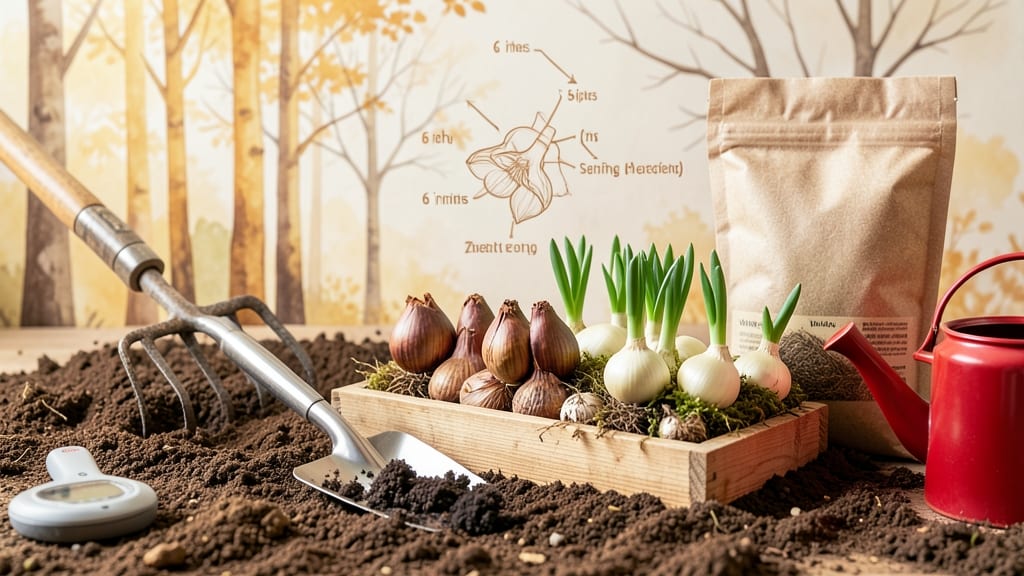
Planting fall bulbs 🌱 in Zone 4 isn’t just about timing—it’s about giving your tulips, daffodils, and crocuses the perfect head start for next spring’s vibrant blooms. Get it wrong, and you might end up with weak stems or no flowers at all.
The key? Understanding exactly when to plant so the bulbs establish strong roots before the ground freezes.
Most gardeners in Zone 4 know the general rule—plant between September and October—but the real magic happens in those 6-8 weeks before the first hard frost. This window ensures bulbs like tulips and daffodils have time to grow roots while staying protected from winter’s chill.
Too early, and they might sprout too soon; too late, and they won’t bloom at their best.
I’ve learned the hard way that soil temperature matters just as much as the calendar. When the ground cools to 40-50°F, it’s time to dig in.
This guide will break down exactly how to adjust for your specific location—whether you’re in Chicago, Minneapolis, or somewhere in between—so you can plant with confidence and enjoy those first spring blooms like never before.
Ready to set your garden up for success? Let’s dive into the exact steps, tools, and tricks to make sure your fall-planted bulbs thrive—no guesswork, just reliable blooms. You’ll discover how to read your soil, choose the right bulbs, and even handle those tricky early-frost years without losing your investment.
Zone 4 fall bulb planting timeline: exact weeks before first frost
In Zone 4, timing is everything when planting fall bulbs like tulips and daffodils. The goal is to plant 6-8 weeks before the first hard frost, giving roots time to establish without encouraging early top growth that could freeze.
For most of Zone 4, this means mid-September to early October, but exact dates vary by location.
Zone 4 spans diverse climates—from Chicago’s lake-effect cooling to Minneapolis’ continental swings. Use your average first frost date (typically September 15) as your anchor. For example, if frost hits October 15, aim to plant by September 1.
Soil temperature is the real indicator. Bulbs need soil between 40-50°F to root without sprouting. A soil thermometer ($10 at garden centers) is worth its weight in gold here—don’t guess!
Pro tip: Check your USDA Plant Hardiness Zone Map for local adjustments. Northern Zone 4 (e.g., Duluth) may need earlier planting, while southern edges (e.g., Cincinnati) can wait until late September.
Here’s the science: Bulbs need 4-6 weeks of root growth before winter dormancy. Planting too early (e.g., August) risks sprouting, while waiting until November leaves roots vulnerable to frost.
🌱 Zone 4 Fall Bulb Planting Summary
| Planting Window | Soil Temp | Action |
|---|---|---|
| Mid-September | 50°F+ | Plant early varieties (e.g., crocuses) |
| Late September | 45-50°F | Ideal for tulips/daffodils |
| Early October | 40-45°F | Last chance for late bloomers |
| After October 15 | Below 40°F | Risk of frost damage |
⏰ Pro Tip: Use a frost calendar for your city—many local extensions offer free PDFs!
For container gardening, adjust slightly: Potted bulbs need 2 extra weeks of warm soil to root. Plant by mid-October in containers, and bury pots halfway in garden soil for winter insulation.
Watch for soil moisture after planting—water deeply but avoid soggy soil. Mulch with 2-3 inches of straw after frost to protect bulbs without suffocating them.
Remember: Early planting ≠ early blooming. Bulbs store energy over winter, and spring blooms depend on root strength, not planting date. Patience pays off with healthier, longer-lasting flowers!
Need a backup plan? Hyacinths and alliums tolerate later planting better than tulips. Save these for late September to early October if frost sneaks up early.
Zone 4 fall bulb planting timeline: exact weeks before first frost
Timing is everything when planting fall bulbs in Zone 4, where the average first hard frost arrives around September 15. To ensure strong root growth before winter, aim to plant bulbs 6-8 weeks before that date.
For most of Zone 4, this means early to mid-September—but your exact window depends on whether you’re in a northern (like Duluth) or southern (like Chicago) part of the zone.
For example, in Chicago, where frosts can arrive as early as October 15, I start planting tulips and daffodils in late September. Meanwhile, in Minneapolis, with its earlier frosts (around September 20), I shift planting to early September.
The key is checking your local frost date averages—not just the calendar.
Soil temperature is just as critical as the date. Bulbs need the ground to be 40-50°F before planting. A soil thermometer (around $10) is my go-to tool for verifying readiness. If the soil is still warm, bulbs may sprout too soon and get damaged by early frosts.
If it’s too cold, roots won’t establish properly, leading to weak or no blooms next spring.
Here’s a quick reference for your planting window based on frost dates:
| Zone 4 Location | Avg. First Frost | Planting Window | Soil Temp Goal |
|---|---|---|---|
| Northern Zone 4 (Duluth, MN) | September 15 | Early September (Aug 25 - Sep 10) | 40-50°F |
| Central Zone 4 (Madison, WI) | September 25 | Mid-September (Sep 5 - 20) | 40-50°F |
| Southern Zone 4 (Chicago, IL) | October 15 | Late September (Sep 15 - Oct 1) | 40-50°F |
If you’re unsure about your local frost date, check the USDA Plant Hardiness Zone Map or use a frost calendar app like Frost Date Finder.
I also recommend planting a few test bulbs a week earlier than your target date—this gives you a backup if the weather turns unexpectedly cold.
Pro tip: Daffodils and crocuses are more forgiving than tulips, so they can handle slightly later planting. But for tulips, stick to the 6-8 week rule—otherwise, you risk weak stems or no blooms at all. Next spring, you’ll thank yourself for that precise timing!
Once you’ve nailed the timing, the next step is preparing the soil and choosing the right bulbs—but we’ll cover that in the next section. For now, mark your calendar and grab that soil thermometer! Your future spring garden will bloom brighter because of it. 🌸