
Planting
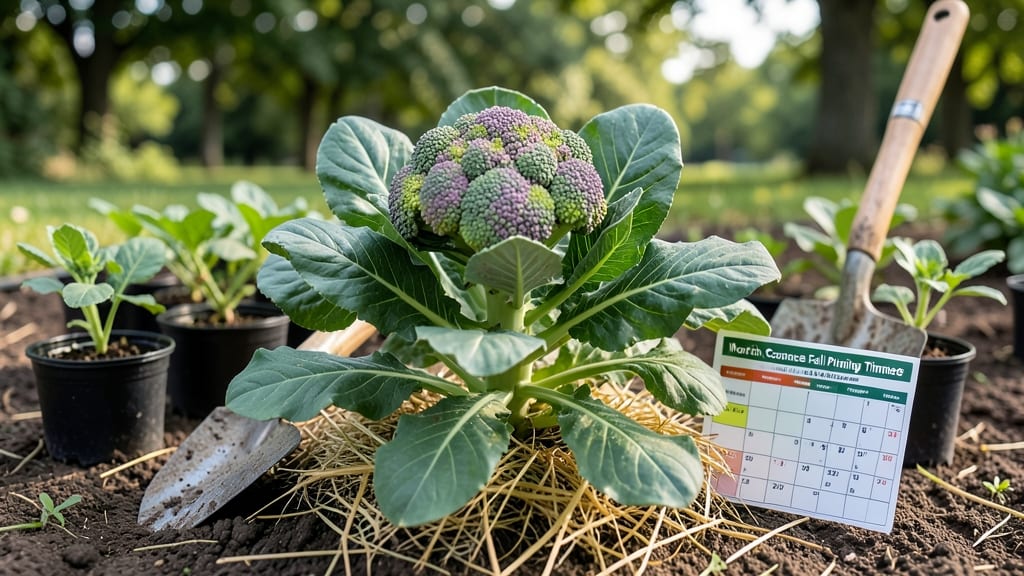
Planting a fall garden in North Carolina might seem tricky with its shifting frost dates, but getting the timing right unlocks a bounty of fresh produce when summer heat fades.
Whether you're in the cooler Piedmont or warmer Coastal regions, the key is understanding your local microclimate and working with—not against—Mother Nature.
I’ve helped countless NC gardeners stretch their harvests well into winter, and the secret isn’t complicated: it’s about knowing when to plant specific crops for maximum yield. Too early, and your greens bolt before frost; too late, and you miss the sweet spot for hearty root veggies.
Let’s break down the exact windows for your zone, so you can avoid common pitfalls and enjoy a garden that thrives right up until the first freeze.
From leafy greens that crave cooler weather to brassicas that bulk up before winter, we’ll cover the best crops for your area and how to prep your soil for success.
You’ll also discover proven tricks to extend your harvest—like using row covers or succession planting—to keep your garden productive long after most neighbors have packed it in.
Ready to transform your backyard into a fall harvest haven? By the end of this guide, you’ll have a clear, zone-specific roadmap to planting with confidence—no more guesswork, just frost-free success. Let’s get those seeds in the ground!
NC fall planting dates by hardiness zone: avoid frost and maximize harvests
North Carolina’s USDA zones 6b-8a create unique planting windows for fall gardens. The key is understanding your average first frost dates, which vary dramatically from the mountains (zone 6b) to the coastal plains (zone 8a).
In the mountains, frosts can arrive as early as October 15, while coastal areas often see their first frost in mid-November or not at all in mild winters.
For gardeners in zone 7a/b (covering the Piedmont region), the sweet spot for fall planting is between mid-August and mid-September. This timeline gives cool-season crops like kale, spinach, and carrots enough time to mature before winter sets in.
In zone 8a (coastal areas), you can push planting even later—up to early October—thanks to warmer microclimates.
Your planting window depends on whether you’re sowing seeds directly or transplanting seedlings. Direct-sown crops like radishes and lettuce can go in 6-8 weeks before your first frost, while transplants (such as broccoli or cabbage) need 4-6 weeks to establish before cold arrives.
Use these general guidelines as a starting point, but always check your local frost date averages for precision.
Here’s how to calculate your personal planting window: Subtract the number of days your crop needs to mature from your average first frost date.
For example, if your frost date is November 15 and you’re growing spinach (50 days to harvest), your last planting date is September 25. This method ensures you don’t plant too late and risk stunted growth.
North Carolina’s diverse geography means microclimates matter. A garden in Asheville (zone 6b) will have different timing needs than one in Raleigh (zone 7b) or Wilmington (zone 8a). Elevation, proximity to water bodies, and even urban heat islands can shift frost dates by 1-2 weeks.
Pay attention to local patterns—your neighbor’s garden might not be your best guide!
🌱
For cool-season crops, timing is everything. Leafy greens like spinach and lettuce thrive when planted 60-70 days before frost, while root vegetables such as carrots and beets need 50-60 days. Brassicas (broccoli, cabbage, kale) are more frost-tolerant and can handle 70-80 days of growth before cold sets in.
If you’re new to fall gardening, start with fast-maturing crops like radishes (25 days) or bush beans (50 days) to test your timing. These give you immediate feedback on whether you’re planting too early or too late.
Once you’ve mastered the basics, move on to longer-season crops like cauliflower (80+ days) or kale (60 days), which reward patience with hearty harvests.
Don’t forget about herbs and flowers for fall! Cilantro, dill, and parsley thrive in cooler weather and can be sown as late as September in most zones. Pansies and snapdragons add color to fall gardens and often bloom until hard frosts.
These additions not only extend your harvest but also attract pollinators late into the season.
For gardeners in zone 8a, the real advantage is year-round growing potential. With careful planning, you can stagger plantings to enjoy harvests every 2-3 weeks from late summer through winter. Try succession planting every 10-14 days to keep your kitchen stocked with fresh produce—even in December!
Remember, soil temperature matters just as much as air temperature. Most cool-season crops prefer soil temps between 45°F and 75°F. Use a soil thermometer to check before planting. If your soil is still
Best fall crops for NC gardens: what to plant and when for year-round success
When it comes to fall gardening in North Carolina, not all crops are created equal. The cool-season vegetables and hardy herbs thrive in NC’s mild autumn temperatures, while some summer favorites bolt or struggle.
I’ve planted everything from leafy greens to root vegetables in my own garden, and these are the varieties that consistently deliver—whether you’re in the mountains, Piedmont, or Coastal Plain.
Your first step is choosing crops that match your last frost date and microclimate. For example, spinach and kale can handle light frosts, while lettuce and radishes prefer to mature before temperatures drop below 30°F.
Below, I’ve organized the best fall crops by their ideal planting windows and care requirements, so you can plan with confidence.
Plant 6-8 weeks before first frost (late July–early August in most zones). These thrive in cool weather and can even survive light frosts. Direct-sow seeds or transplant young plants for faster growth.
Start seeds 8-10 weeks before first frost (June–early July). These hearty crops need time to bulk up before winter. Transplant seedlings in late summer for a head start.
Sow seeds 4-6 weeks before first frost (late July–early August). These grow quickly and tolerate cooler soil. Avoid compacted soil to prevent forked roots.
Plant 6-8 weeks before first frost (late July–early August). These herbs love cool weather and add flavor to fall harvests. Cilantro, in particular, bolts in heat, so timing is critical.
Sow late August–September to protect soil and improve fertility. These low-maintenance plants prevent erosion and add organic matter for spring planting.
Don’t overlook companion planting to maximize space and deter pests. For example, radishes planted alongside cabbage can act as a trap crop for flea beetles, while basil near tomatoes repels whiteflies. I always dedicate a small corner of my garden to these pairings—it’s a game-changer for yield and health.
Pro tip: Succession plant fast-growing crops like radishes or lettuce every 2 weeks after your initial sowing. This ensures a steady harvest and prevents bolting. In my Zone 7b garden, I’ve extended lettuce harvests by 4-6 weeks using this method alone.
Finally, prioritize soil health before planting. Amend your beds with compost or aged manure to provide nutrients for hungry fall crops. A simple soil test can reveal deficiencies—addressing them now saves headaches later.
With the right crops and timing, your fall garden can outperform summer plantings in both quantity and flavor.