
Plants
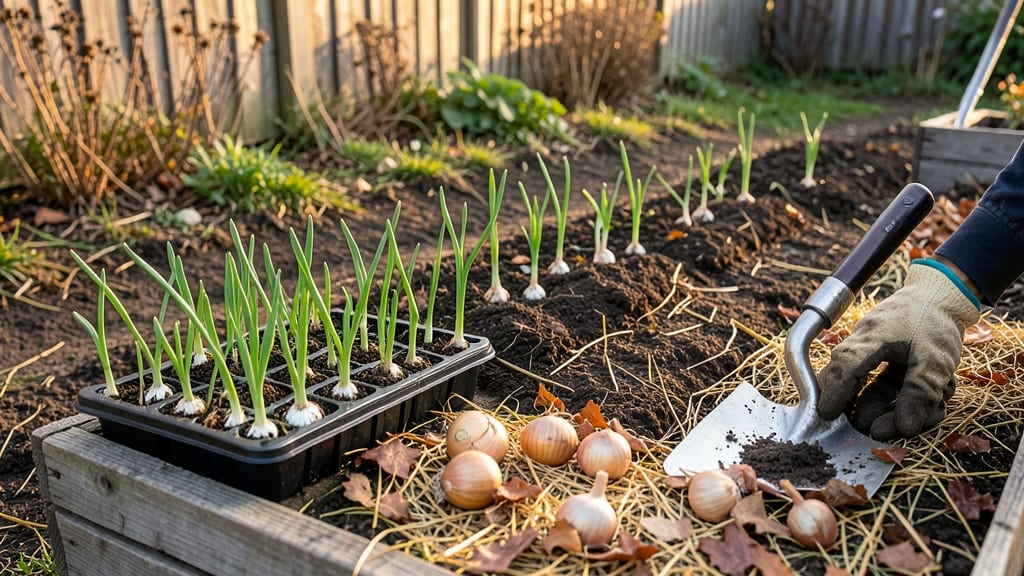
Timing your fall onion planting in Zone 7 could mean the difference between a sweet harvest and bitter disappointment. Miss the window, and your 🧅 onions might bolt before they even form bulbs—something no gardener wants to see after all that hard work.
If you're in Zone 7, the key to success lies in planting between late August and early September. This timing gives your onions just enough time to mature before the first frost hits, ensuring you get those plump, flavorful bulbs you crave.
But here's the catch: not all Zone 7 areas are created equal.
In this guide, I'll break down the exact planting dates that work best for your specific microclimate—whether you're dealing with coastal breezes or inland heat. You'll also discover how to prep your soil, space your plants, and choose the right varieties for a foolproof harvest.
Let's get those onions growing right!
Ready to avoid the common mistakes that lead to wasted effort? I’ll walk you through everything you need to know to plant your fall onions at the perfect moment, so you can enjoy a bountiful harvest come October. No more guesswork—just sweet, homegrown success.
Optimal fall onion planting dates in Zone 7 for bulb development
Getting your fall onion planting dates right in Zone 7 means avoiding the dreaded bolting that turns sweet bulbs bitter. The magic window starts between late August and early September, but exact timing depends on your soil temperature and frost predictions.
For most of Zone 7, aim to plant 8-12 weeks before the first frost, which typically lands around November 15.
If you're planting onion sets (small bulbs), they grow faster than seeds, so you can push planting slightly later—up to mid-September. But if you're starting from seed, begin indoors in late July for transplanting by early August.
This gives seedlings enough time to establish before cooler weather sets in.
Soil temperatures below 60°F (15°C) slow onion growth, so monitor your garden's heat. Use a soil thermometer to confirm conditions are ideal. If temperatures drop too fast, your onions may struggle to mature before frost.
A black plastic mulch can help retain warmth and extend the growing season by a few critical weeks.
Moon phases also play a role in transplanting success. Planting during the waxing moon (when the moon is growing) encourages root development, which is ideal for onions. Check a lunar planting calendar for your specific dates—this small adjustment can make a big difference in bulb size and flavor.
Here’s the key takeaway: Early August is your best bet for seed-starting, while late August to early September works for sets. If you miss these windows, your onions may not reach full maturity before winter, leaving you with small, pungent bulbs instead of the sweet harvest you’re after.
| Planting Stage | Action | Ideal Timeframe | Notes |
|---|---|---|---|
| Seed Starting (Indoors) | Sow seeds | Late July | Use grow lights for 12-14 hours/day |
| Transplant Seedlings | Move to garden | Early August | Hardening off for 7-10 days first |
| Plant Onion Sets | Direct sow | Late August - Early September | Sets grow faster than seeds |
| Harvest Ready | Pull onions | October - Early November | Before hard frost hits |
Don’t let overcrowding sabotage your harvest. Space onion sets 4-6 inches apart in rows that are 12-18 inches apart. This gives bulbs room to swell without competing for nutrients. If you’re growing from seed, thin seedlings to 2-3 inches apart once they’re a few inches tall.
One of the biggest mistakes gardeners make is planting too late. If you wait until October, your onions won’t have enough time to mature before frost, resulting in small, tough bulbs.
Use a frost date calculator for your specific location to fine-tune your schedule. For example, if your first frost is November 1, plant by September 15 to ensure a full harvest.
For extra insurance, consider using row covers in late September to protect your onions from unexpected cold snaps. This can push your harvest window by 1-2 weeks, giving you more time to enjoy fresh, homegrown onions straight from your garden.
Finally, keep an eye on the weather forecast in late summer. If a heatwave is predicted, water deeply to prevent stress. Onions need consistent moisture to develop sweet, plump bulbs, but they hate soggy soil. Aim for 1 inch of water per week, adjusting for rainfall.
Optimal fall onion planting dates in Zone 7 for bulb development
In Zone 7, the sweet spot for planting fall onions is between late August and early September. This window ensures your onions have 80-100 days to mature before the first frost—typically around November 15—giving you plump, flavorful bulbs instead of bitter, bolted greens.
The key is aligning your planting with soil temperatures that stay above 50°F (10°C) for consistent growth.
For transplanting onion sets, aim for mid-August to early September. Sets grow faster than seeds, so you can push the timeline slightly later if needed. If you're starting from seeds, begin indoors in early July and transplant seedlings outdoors by late July to early August.
This gives them a head start before cooler fall temperatures slow growth.
Don’t overlook the moon phases—planting during the waxing moon (when the moon is growing) can boost root development. Check a lunar planting calendar for your specific dates in August/September. Even a few extra days can make a difference in bulb size by harvest time.
| Planting Method | Ideal Planting Window | Days to Maturity | Key Consideration |
|---|---|---|---|
| Transplanting Sets | Mid-August to Early September | 80-90 days | Soil temp >50°F (10°C) |
| Direct-Seeding | Late July to Early August | 100-120 days | Thin seedlings to 4" apart |
| Indoor Starts (Transplant) | Early July (outdoors late July) | 90-110 days | Hardening off required |
If you’re planting yellow or red onions, which take slightly longer to mature, start them 2 weeks earlier than white onions. These varieties need that extra time to develop their signature flavors and larger bulbs.
Always check the back of your seed packet for variety-specific days to maturity—this can adjust your planting window by a week or more.
Pro tip: Use a soil thermometer to confirm temperatures are stable above 50°F (10°C) before planting. Cold soil can stunt growth, leading to smaller bulbs or premature bolting. If your soil is still chilly in early September, wait another week—your onions will thank you with a sweeter harvest.
Once planted, mulch with straw or shredded leaves to insulate roots and retain moisture. This is especially critical in Zone 7, where fall temperatures can fluctuate wildly. A 2-inch layer of mulch can mean the difference between a thriving crop and one that struggles to mature before frost.