
Plants
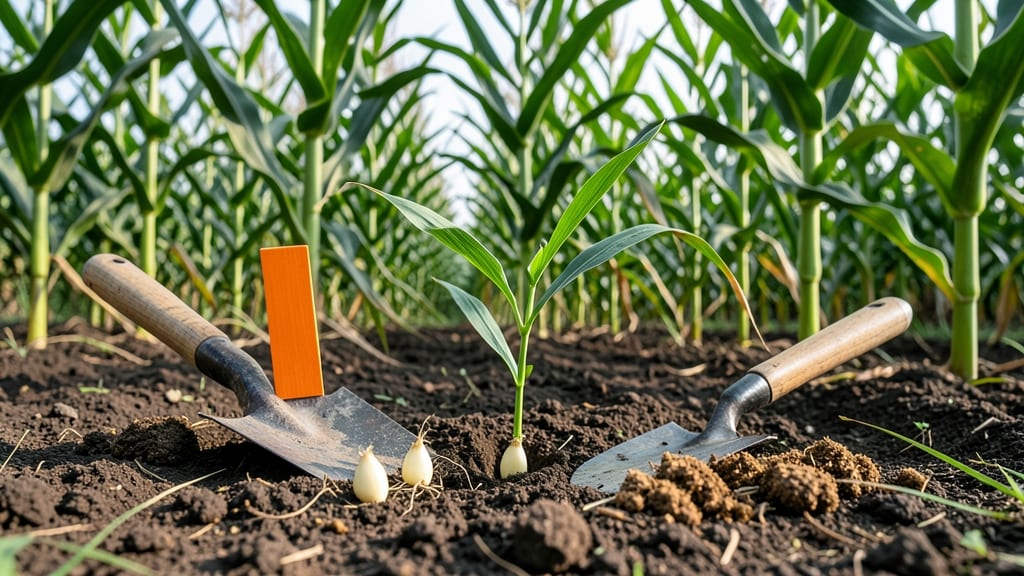
Timing your Field Corn 🌽 planting in North Carolina can make or break your harvest—get it wrong, and you risk stunted plants or wasted seeds. The key isn’t just avoiding frost; it’s waiting for soil temperatures to hit 60°F, when roots finally wake up and grow.
Most NC growers plant between April and June, but your exact window depends on whether you’re in the Piedmont’s 7a zone or the Coastal Plain’s 8b.
Wilmington’s coastal breezes delay planting by 2 weeks compared to Raleigh, while mountain counties like Asheville need to start earlier to beat summer heat.
I’ll break down the soil temperature rules you need to follow, plus how to adjust for early vs. late corn varieties. Whether you’re a backyard gardener or a small-scale farmer, these tips will help you time your planting for maximum yield—no guesswork required.
Ready to stop playing the frost lottery? Let’s dive into the science-backed planting schedule that works for NC’s diverse climate zones.
NC field corn planting dates by soil temperature zones (not county deadlines)
Forget memorizing frost dates—soil temperature is the real trigger for planting field corn in North Carolina. Corn roots need consistent soil temps above 55°F to germinate, but 60°F+ ensures strong, rapid growth.
Planting too early in cold soils causes rot and poor stands, while waiting too long shortens the growing season. Here’s how to pinpoint your exact window using localized soil data and simple testing methods.
Most NC counties hit 55°F soil temps between mid-April and early May, but elevation and microclimates shift this by 1-3 weeks. For example, Asheville’s mountainous soils warm 2 weeks later than Wilmington’s coastal plains.
The key is testing—not guessing. Use a soil thermometer ($10 at garden centers) to check 2 inches deep in the morning. If it’s below 55°F, wait.
Here’s why soil temperature beats frost dates: Frost kills young corn, but cold soil stunts roots before the plant even emerges. A 2018 NC State Extension study found growers who planted at 60°F soil temps achieved 30% higher yields than those who relied on frost charts alone.
The difference? Roots grow 2x faster in warm soil, giving your corn a head start against pests and drought.
🌽 NC Field Corn Planting Zones by Soil Temp
| Zone | Avg. Last Frost | Soil Temp Threshold | Planting Window | County Examples |
|---|---|---|---|---|
| Coastal Plain | March 15 | 60°F | Mid-April | New Hanover, Brunswick |
| Piedmont | April 1 | 58°F | Late April | Wake, Durham, Forsyth |
| Mountains | May 1 | 62°F | Early May | Buncombe, Haywood |
*Soil temps lag behind air temps by 1-2 weeks. Test daily until consistent.
If you’re in Zone 7a (western NC), aim for May 1—cold nights delay soil warming. For Zone 8b (coastal areas), April 15 is safer. Pro tip: Black plastic mulch can raise soil temps by 5-10°F, letting you plant 10-14 days earlier in marginal zones.
Just lay it down 2 weeks before planting to warm the soil.
For early varieties (like ‘Silver Queen’, maturing in 90 days), you can push the window to mid-March in the Coastal Plain if you use row covers to protect from late frosts. But never plant before soil hits 55°F—even with covers, cold soil = rot.
Late varieties (e.g., ‘Pioneer 39T03’, 110 days) need June 1 plantings in the Mountains to avoid frost before harvest.
NC State Extension’s frost data shows Wilmington averages 240 frost-free days, while Asheville gets only 180. That’s why early maturing hybrids are critical in the Mountains. Check the NC Climate Office’s frost maps (climate.ncsu.edu) for your specific county’s 10-year average—it’s updated annually.
One common mistake is assuming air temperature = soil temperature. A 70°F April day might hide 50°F soil—use both metrics. For organic growers, compost-amended soil warms 3-5°F faster than bare ground. Spread 2 inches of compost 2 weeks before planting to speed up soil warming naturally.
Final rule: Wait until 3 consecutive days of 60°F+ soil temps. This ensures 90% germination success. Use a seedling heat mat ($20) if you’re desperate to plant early—it can shave 1-2 weeks off your timeline in cold zones.
Adjusting planting dates for NC’s most problematic counties (Fayetteville, Wilmington, Asheville)
North Carolina’s field corn 🌽 planting dates aren’t one-size-fits-all. Some counties have unpredictable frost patterns due to elevation or coastal winds. Let’s focus on the three most challenging regions where timing adjustments can mean the difference between a thriving crop and a failed harvest.
In Asheville (Western NC), cooler mountain air means corn should go in the ground 2-3 weeks earlier than the Piedmont. The last frost typically occurs around April 15, but soil temperatures lag behind, so wait until mid-April when soils hit 55°F consistently.
Wilmington’s coastal microclimate delays planting by 2 weeks compared to Raleigh. The average last frost is March 20, but coastal winds keep soils cooler. Plant no earlier than late April—waiting for 60°F soil temps prevents seed rot.
🌽 Key Adjustments for Problematic Counties
- Asheville: Plant April 15-22 (soil 55°F+). Shorter growing season favors early-maturing varieties (90-day harvest).
- Wilmington: Delay until late April-early May (soil 60°F+). Coastal humidity increases fungal risks—space plants wider (36" rows).
- Fayetteville: Plant April 1-15 (soil 58°F+). Piedmont’s hot summers suit mid-season varieties (110-day harvest).
⚠️ Pro Tip: Use a soil thermometer ($10) to verify temps—don’t guess!
Fayetteville’s Piedmont climate offers a longer window but demands heat-tolerant varieties. Plant between April 1-15, prioritizing 110-day hybrids to avoid summer drought stress. The region’s hot July-August means corn planted after May 1 risks stunted growth.
For all three regions, avoid March planting—even if frost dates suggest it’s safe. Cold soils (<55°F) cause seed rot and poor germination. Use black plastic mulch in Wilmington to warm soils faster, or plant under row covers in Asheville for extra protection.
Need a quick reference? Bookmark this: Asheville = early, Wilmington = late, Fayetteville = mid-season. Adjust by 1 week if your yard’s microclimate differs from the county average.