
Flowers
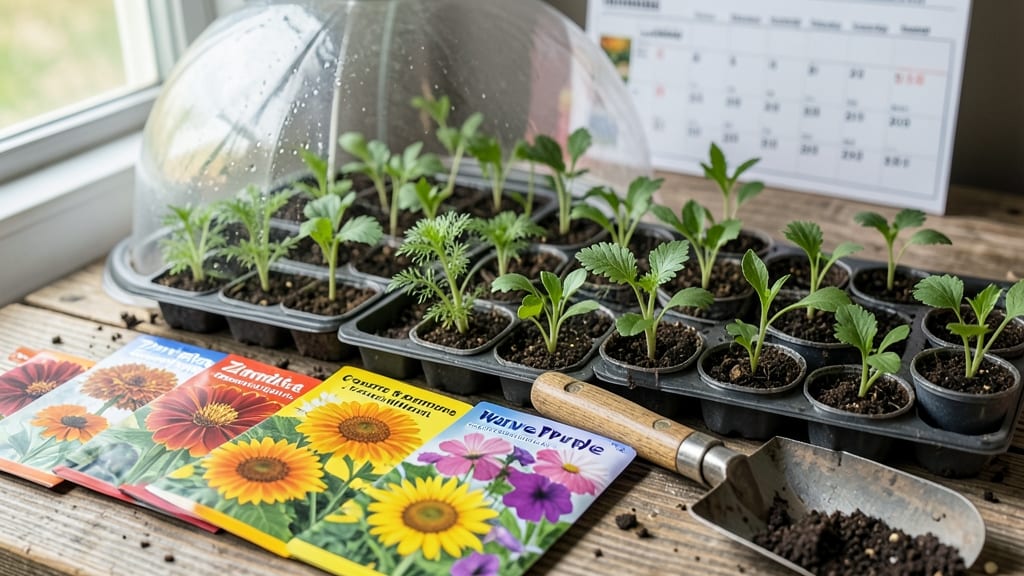
Knowing when to plant flower seeds in Kansas can mean the difference between a vibrant garden and a season of disappointment. With USDA Zones 5b-7a and microclimates that vary wildly—from the humid east to the drier west—getting the timing right is everything.
Miss the window, and frost will nip your blooms before they even sprout. But plant too late, and you’ll miss the full growing season. The key is understanding your specific county’s frost dates and soil conditions, which can shift dramatically even just 50 miles apart.
I’ll break down the exact planting deadlines for Kansas counties, so you can start 🌸 flower seeds at the perfect moment—whether you’re sowing hardy perennials in early spring or fast-growing annuals in late summer.
Ready to transform your garden? Let’s dive into the microclimate-specific strategies that will help your flowers thrive all season long.
Kansas flower seed planting deadlines by county (2024 guide)
Kansas spans USDA Hardiness Zones 5b to 7a, creating dramatic differences in planting windows from eastern humid regions to western arid plains. Your county’s last frost date—ranging from March 15 in Zone 7a to April 15 in Zone 5b—dictates when to start seeds indoors or sow directly.
Miss these deadlines, and you risk frost damage or stunted growth.
For annual flowers like zinnias or marigolds, aim to plant seeds 2-4 weeks after your last frost date when soil reaches 60°F+. Perennials such as coneflowers or black-eyed Susans can handle earlier sowing—even 6-8 weeks before last frost—since they establish roots gradually. Bulbs like tulips or daffodils need fall planting, typically 6-8 weeks before first frost.
🌱 Pro Tip: Use a soil thermometer to confirm readiness—60°F for warm-season flowers and 50°F for cool-season varieties. Kansas’ variable weather means checking weekly is key.
Below is a county-by-county breakdown of planting deadlines, organized by region. Adjust for urban heat islands (e.g., Wichita) or high-elevation areas (e.g., near Denver) by adding 1-2 weeks to frost dates.
🌿 Kansas Flower Seed Planting Deadlines by Region
| Region | Counties | Last Frost Date | Spring Planting Window | Fall Planting Window |
|---|---|---|---|---|
| Eastern Kansas | Douglas, Johnson, Wyandotte | April 1-15 | April 15-May 15 | September 1-October 1 |
| Central Kansas | Saline, Shawnee, Riley | April 10-20 | April 20-May 10 | August 20-September 15 |
| Western Kansas | Hamilton, Kearny, Finney | May 1-10 | May 10-June 1 | August 1-August 15 |
| Southeast Kansas | Cherokee, Crawford, Labette | March 25-April 5 | April 5-April 25 | September 15-October 10 |
| Northwest Kansas | Gove, Trego, Ness | May 5-15 | May 15-June 5 | July 20-August 5 |
🌱 Note: Adjust deadlines by ±7 days for urban areas (warmer) or high elevations (cooler).
For cool-season flowers like pansies or snapdragons, plant seeds 4-6 weeks before last frost—even in Zone 5b.
These varieties tolerate light frost and can bloom earlier. Warm-season flowers such as sunflowers or cosmos thrive when soil is consistently above 60°F, so wait until after your region’s last frost.
In western Kansas, where drought conditions are common, prioritize drought-tolerant flowers like blanket flower or yarrow. These can handle delayed planting better than moisture-loving varieties. Mulch heavily to retain soil moisture and extend the growing season by 2-3 weeks.
If you’re unsure about your county’s exact frost dates, check the National Weather Service or use a local Cooperative Extension office for hyper-local advice. Kansas State University’s gardening resources also offer county-specific planting calendars updated annually.
How to adjust planting times for Kansas’ unique microclimates
Kansas’ diverse microclimates can make planting flower seeds feel like solving a puzzle. The humid east near Kansas City has earlier springs, while the High Plains in western counties like Scott City face harsher winters. Even neighboring counties can have 2-3 week differences in frost dates!
To succeed, I focus on three key factors: soil temperature, elevation changes, and local weather patterns. For example, Wichita (Zone 6b) typically warms up faster than Hays (Zone 5a), so I adjust my planting schedule accordingly.
Urban areas like Overland Park also experience the "heat island effect," making soil warm earlier than rural areas.
Here’s how I fine-tune my approach for different Kansas regions:
PROS:
- Warmer soil earlier
- Longer growing season
- More humidity for seedlings
PROS:
- Moderate climate
- Good balance of sun/water
- Ideal for most annuals
PROS:
- Drier soil = less disease
- Stronger sunlight
- Native drought-tolerant flowers thrive
CONS:
- Higher humidity = more pests
- Soil stays wet longer
- Later frost risk in valleys
CONS:
- Variable weather patterns
- Windier conditions
- Soil can dry out quickly
CONS:
- Shorter growing season
- Harsher winters
- Water scarcity in summer
For urban gardeners, I recommend checking your local weather station’s soil temperature readings—they’re often 5-10°F warmer than rural areas. Use a soil thermometer to confirm when to plant heat-loving flowers like marigolds or sunflowers (aim for 60°F+).
In rural areas, I wait until May 1st for most annuals to avoid late frosts.
Another trick I use is elevation adjustments. For every 1,000 feet increase in elevation (like from Wichita to Salina), I delay planting by 3-5 days. Higher elevations have cooler nights, which can stunt young seedlings.
I also monitor local weather patterns—if my area had an early spring like in 2021, I might push planting dates forward by a week.
To extend your growing season, I swear by row covers and cold frames. These let me plant cool-season flowers like pansies or snapdragons 4-6 weeks earlier in spring or keep them blooming 2-3 weeks later in fall. Just
Finally, I always keep a planting journal to track what works in my specific microclimate. Last year, my zinnias in Garden City thrived when planted May 15th, but the same seeds in Kansas City bolted by June if planted before April 20th. Your notes will become your most valuable tool! 🌱