
Flowers
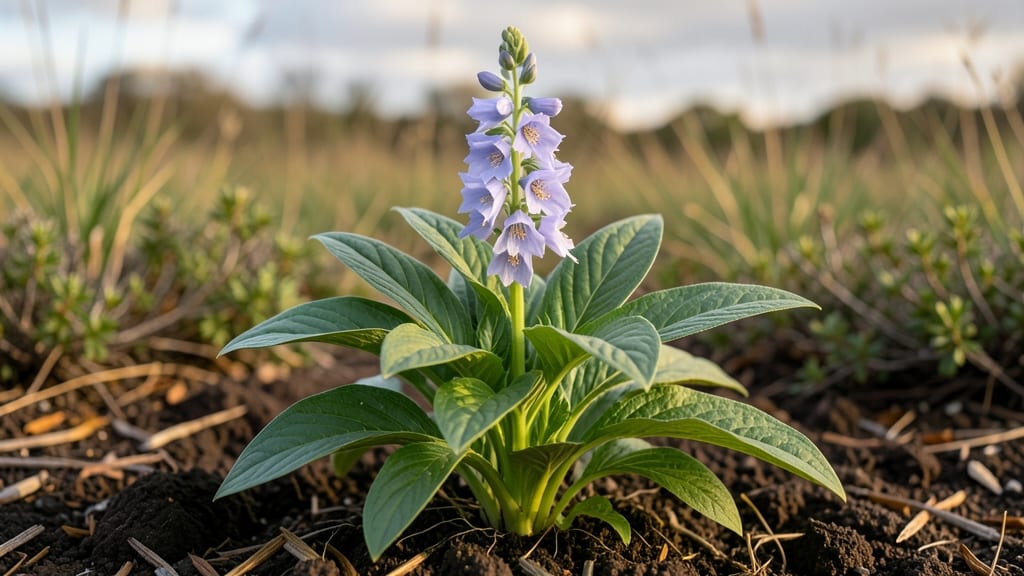
Knowing when to plant flower seeds in Wisconsin isn’t just about following a calendar—it’s about outsmarting Mother Nature’s unpredictable mood swings. One week too early, and frost will turn your tender seedlings into sad, icy snacks.
Too late, and you’ll miss the chance for those vibrant summer blooms that make your garden the envy of the neighborhood.
Wisconsin’s 4a-6b zones mean your planting timeline can vary dramatically from Madison to Milwaukee—or even just a few miles north. That’s why timing matters more than any other factor when you’re sowing 🌸 flower seeds.
Whether you’re dreaming of sunflowers reaching for the sky or delicate coneflowers swaying in the breeze, getting the window right is the difference between a thriving garden and a disappointing flop.
I’ve spent years testing the perfect moments to plant in Wisconsin’s climate, and what I’m about to share will help you avoid common mistakes.
From starting seeds indoors to direct sowing after the last frost, we’ll cover everything you need to know to turn your garden into a blooming paradise—without losing sleep over frost warnings.
Ready to transform your Wisconsin garden? Let’s dive into the exact frost dates by county and the best strategies for planting flower seeds so you can enjoy those first blooms before summer slips away.
Wisconsin frost dates by county: the perfect window for flower seed planting
Wisconsin’s diverse climate—from USDA zones 4a to 6b—means frost dates vary dramatically across counties. In northern regions like Bayfield or Ashland, last spring frost often lingers until mid-May, while southern areas like Walworth or Racine can see frost-free soil by early April.
These differences dictate when to plant annual flowers like marigolds or perennial seeds such as coneflowers.
For accurate timing, I always check the Wisconsin State Climatology Office or local Cooperative Extension Service reports. For example, Madison (zone 5a) typically has a last frost around April 20th, while Milwaukee (zone 5b) averages May 5th.
These dates guide my direct sowing schedule for heat-loving flowers like zinnias or sunflowers.
Here’s a quick reference for key planting windows based on Wisconsin’s frost patterns:
| Region | Last Spring Frost | First Fall Frost | Ideal Planting Window |
|---|---|---|---|
| Northern WI (e.g., Ashland, Bayfield) | May 15–25 | September 10–20 | Late May–June 15 |
| Central WI (e.g., Madison, Waukesha) | April 20–May 5 | September 25–October 5 | April 25–June 1 |
| Southern WI (e.g., Racine, Walworth) | April 1–15 | October 10–20 | April 10–May 20 |
🌱 Note: Adjust for microclimates (e.g., urban areas warm up faster).
For cool-season flowers like pansies or sweet alyssum, I plant seeds 4–6 weeks before last frost—often in March for southern Wisconsin or early April for northern areas. These hardy annuals tolerate light frost, but I always cover them with frost cloth if temperatures dip below 28°F.
Warm-season flowers like geraniums or petunias need soil temperatures above 60°F to germinate. In zone 4a, I wait until late May to sow these directly, while zone 5b gardeners can start in early May.
To speed things up, I start these indoors 6–8 weeks before the last frost date.
Fall planting is another strategy for Wisconsin gardeners. Biennials like foxgloves or cool-loving annuals such as calendula can be sown in July or August for blooms the following spring.
The key is planting 6–8 weeks before first frost—typically late July in the north and early August in the south.
Don’t overlook perennial seeds, which often need stratification (a cold period) to germinate. I sow black-eyed Susans or coneflowers in early spring (March–April) or fall (September–October) for best results. These tough perennials thrive in Wisconsin’s short growing season and return year after year.
Pro tip: Use row covers or cold frames to extend your planting window by 2–4 weeks in spring or fall. I’ve successfully grown marigolds in early April under a simple floating row cover, giving me earlier blooms and a longer season.
Always monitor soil temperature with a soil thermometer—50°F is the minimum for most flower seeds to germinate. In cool, wet springs (common in Wisconsin), I wait until the soil warms to 60°F before planting warm-season annuals like zinnias or cosmos.
Local Master Gardener programs often host frost date workshops—I attend these every year to refine my timing. For example, UW-Madison Extension provides county-specific frost data that’s far more precise than general guidelines.
Best flower seeds to plant in Wisconsin: cool-season vs. warm-season varieties
Wisconsin’s diverse climate—from USDA Zone 4a in the north to Zone 6b in the south—means not all flowers thrive year-round. To maximize your blooms, focus on cool-season and warm-season varieties that align with Wisconsin’s 160 frost-free days.
Cool-season flowers like pansies and snapdragons tolerate early spring and fall frosts, while warm-season favorites like marigolds and zinnias need consistent warmth to flourish.
Start by choosing annuals for instant color or perennials for long-term beauty. For example, coneflowers (perennials) planted in early spring will reward you with years of blooms, while sunflowers (annuals) sown in late May will tower over your garden by summer.
My top picks balance hardiness, pollinator appeal, and low-maintenance care—perfect for Wisconsin’s unpredictable weather.
🌱 Top 5 Wisconsin-Friendly Flower Seeds
- 1. Black-Eyed Susan (Rudbeckia) – Perennial, thrives in full sun, blooms July-October, drought-tolerant.
- 2. Marigold (Tagetes) – Annual, repels pests, warm-season, plant after last frost.
- 3. Coneflower (Echinacea) – Perennial, attracts pollinators, low-maintenance, blooms June-September.
- 4. Pansy (Viola) – Cool-season annual, blooms early spring/fall, tolerates light frost.
- 5. Zinnia (Zinnia elegans) – Annual, bright colors, cut-flower favorite, plant after soil warms.
For shade gardens, opt for columbines or foxgloves, which thrive in partial shade and cooler temps. If you’re dealing with drought conditions, lavender and Russian sage are excellent choices—they’re drought-resistant and low-maintenance.
I always prioritize native Wisconsin flowers like wild bergamot (bee balm) to support local ecosystems while reducing water needs.
When selecting seeds, check the packaging for "days to maturity". For Wisconsin, aim for varieties that mature in 60-90 days to ensure blooms before the first frost. For example, cosmos and sunflowers often meet this timeline when planted in late May.
Pro tip: Succession plant fast-growing annuals like bachelor’s buttons every 2-3 weeks to extend your blooming season.
Don’t overlook fall planting! Many cool-season flowers, such as calendulas and stock, can be sown in late July or August for autumn and early winter color.
These varieties handle light frosts and even add holiday cheer to your garden. Just be sure to mulch heavily to protect roots as temperatures drop.
Finally, consider your garden’s purpose. Need pollinator-friendly blooms? Plant milkweed for monarchs or bee balm for hummingbirds. Prefer cut flowers? Dahlias and snapdragons deliver stunning stems.
By matching your seed choices to Wisconsin’s climate and your garden goals, you’ll enjoy a vibrant, resilient flower garden year after year.