
Flowers
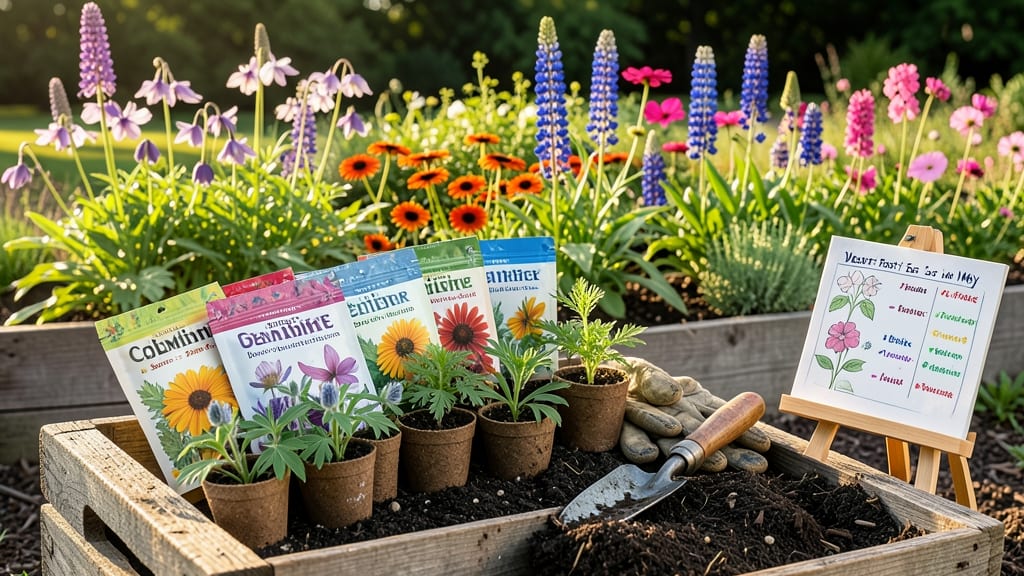
When to plant flowers in Denver isn’t just about following a calendar—it’s about outsmarting the city’s tricky elevation shifts and sudden frost surprises. Plant too early, and your tender blooms could get nipped by late snow; too late, and you’ll miss peak summer color. The key lies in Denver’s microclimates, where downtown’s urban heat islands behave differently than the cooler foothills.
If you’ve ever stared at your seed packets wondering, "When exactly should I plant these?"—this guide cuts through the guesswork. We’ll break down last frost dates by elevation, so you know exactly when to pop those flowers into the ground for maximum blooms.
Whether you’re a first-time gardener or a seasoned Denver green thumb, these elevation-specific tips will help you avoid common pitfalls like frost damage or wilted dreams.
From hardy spring bulbs that brave early chills to heat-loving perennials that thrive in Denver’s dry spells, we’ll cover the best flowers for your yard’s specific conditions.
You’ll learn how to adjust planting times based on whether you’re gardening near downtown’s concrete jungle or up in the 5b-6a zone’s cooler slopes. Spoiler: The right timing can mean the difference between a 5-minute cleanup and a summer of vibrant, low-maintenance blooms.
Ready to turn Denver’s unpredictable weather into your gardening advantage? Let’s dive into the game-changer strategies that’ll have your flowers 🌸 thriving—no matter where you live in the mile-high city. Grab your gloves, and let’s get planting!
Denver’s last frost dates by elevation: critical planting windows for flowers
Denver’s diverse elevations create wildly different last frost dates, which means your planting timeline should shift based on where you live in the city.
At 5,280 feet (standard elevation), the average last spring frost hits around April 15, but climb to 6,000+ feet in the foothills, and that date can push back to May 1.
These shifts matter because annual flowers like marigolds or petunias won’t survive a late freeze, while perennials like coneflowers can handle cooler temps.
For low-elevation areas (e.g., Denver’s Southwest near I-25), you can start planting cool-season flowers like pansies as early as late February. But in higher elevations (e.g., Lookout Mountain or Genesee Park), wait until mid-April to avoid frost damage.
Even a 5°F difference in nighttime temps can delay planting by 2-3 weeks, so check your local microclimate before digging in.
Here’s the NOAA-verified breakdown of last frost dates by elevation, along with ideal planting windows for Denver’s most popular flowers. Use this as your planting calendar to avoid common mistakes like over-planting too early or missing the fall window for bulbs.
| Elevation Range | Avg. Last Frost | Plant Annuals After | Plant Perennials/Bulbs | Fall Planting Window |
|---|---|---|---|---|
| 5,280–5,500 ft (Downtown, LoDo, SW) | April 10–15 | April 20–May 1 | March 15–April 10 | August 20–September 15 |
| 5,500–6,000 ft (Capitol Hill, Wash Park) | April 15–20 | April 25–May 5 | March 20–April 15 | August 15–September 10 |
| 6,000–6,500 ft (Foothills, Genesee, Sunnyside) | April 25–May 1 | May 5–10 | April 1–15 | August 10–August 25 |
| 6,500+ ft (Lookout Mountain, Chatfield) | May 1–5 | May 15–20 | April 15–30 | July 30–August 10 |
*Dates based on 30-year NOAA averages; check local almanac updates for real-time adjustments.
Pro tip: Use row covers or cold frames to extend your spring planting window by 2–3 weeks in lower elevations. I’ve successfully planted calendulas in late March under a simple floating row cover, giving me blooms a full month earlier than neighbors who waited.
Just remove the cover once nighttime temps stay above 40°F consistently.
For fall planting, aim to get bulbs like tulips or daffodils in the ground 6–8 weeks before the first frost (typically late August–early September). This gives roots time to establish before winter.
In higher elevations, start even earlier—mid-August—to account for shorter growing seasons. I’ve learned this the hard way with frozen crocus bulbs in past years!
Denver’s first frost usually arrives around October 15, but urban heat islands (like downtown) can delay it by 1–2 weeks. If you’re growing tender annuals like geraniums, pull them up or move containers indoors before September 15 to protect them.
For hardy perennials, like black-eyed Susans, leave them be—they’ll bounce back in spring.
Remember: Soil temperature matters just as much as air temperature. Use a soil thermometer to confirm your soil is at least 50°F before planting warm-season flowers like zinnias or sunflowers.
In Denver, this often means waiting until mid-May in higher elevations, even if the air feels warm. I’ve had seeds rot
Best flowers to plant in Denver by season: from early spring bulbs to late summer perennials
Denver’s short growing season and variable weather demand smart flower choices that thrive in both cool springs and hot summers. The right flowers can transform your yard into a year-round blooming paradise—if you plant them at the perfect time.
For example, tulips and daffodils should hit the soil in late September to naturalize and bloom early, while zinnias and marigolds wait until mid-May when soil warms.
Start with cold-hardy annuals like pansies and sweet alyssum in early spring (March) for instant color, even if frost lingers. These low-maintenance bloomers tolerate light frosts and brighten up shady corners where other flowers falter.
Meanwhile, perennials like coneflowers and black-eyed Susans establish roots in April-May and reward you with years of blooms with minimal effort.
For container gardens on patios or balconies, opt for petunias and geraniums—they thrive in Denver’s dry air and urban heat islands. Plant these in late May after the last frost, and they’ll flourish until first frost in October.
Pro tip: Use self-watering pots to handle Denver’s unpredictable rain and dry spells.
🌸 Denver Flower Planting Calendar
- March-April: Plant tulips, daffodils, pansies (bulbs/annuals). Soil temp: 40-50°F.
- May: Sow zinnias, marigolds, cosmos (annuals). Wait until last frost.
- June-July: Transplant perennials like lavender, catmint. Avoid overwatering.
- August-September: Plant fall-blooming bulbs (e.g., crocus, aster) for early spring color.
💡 Denver Pro Tip: Use row covers for late spring plants if frost threatens.
Don’t overlook native flowers like beebalm and blanket flower—they’re drought-tolerant and attract pollinators while requiring zero extra water. These perennials thrive when planted in April and multiply yearly, creating low-maintenance drifts of color.
For shade gardens, try bleeding hearts or astilbes in early spring; they’ll bloom through summer with minimal care.
Fall planting (August-September) is your secret weapon for next-year blooms. Spring-blooming bulbs like tulips and hyacinths need 6-8 weeks of cold to flower, so plant them now. Pair them with fall-blooming asters for continuous color from September to frost. Mulch heavily to protect roots from temperature swings.
Remember: Denver’s elevation matters. Gardens above 6,000 ft (like Lakewood or Boulder) can plant 2-3 weeks earlier than downtown areas. Always check soil temperature—aim for 50°F+ for most flowers. With this seasonal strategy, your Denver garden will burst with color year-round—no guesswork required! 🌼