
Flowers
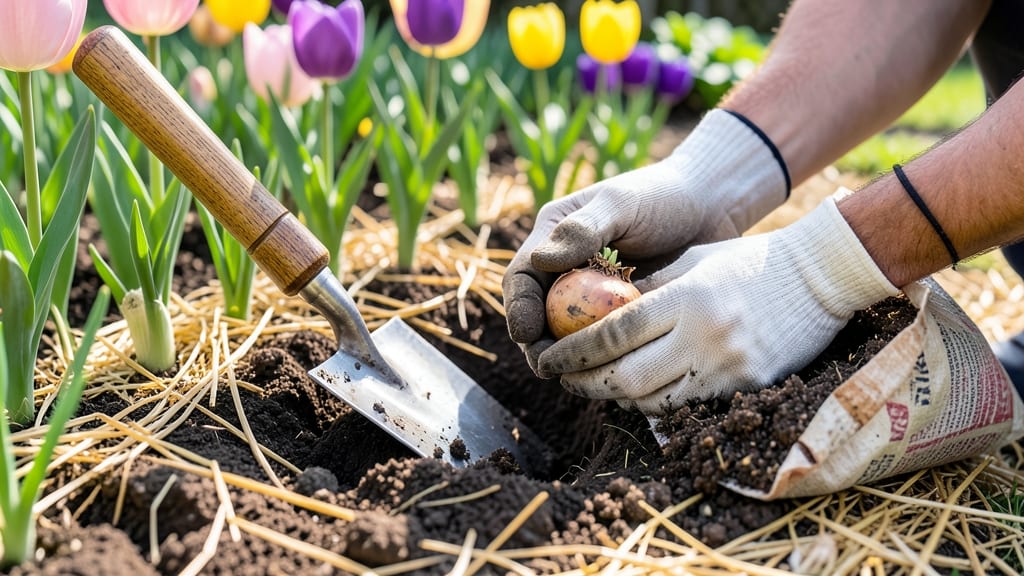
Timing your spring flower planting wrong can mean wilted dreams before the season even begins—avoid frost-killed blooms by mastering the perfect planting window for your hardiness zone and flower types.
In Zone 6a, where last frost typically hits around April 15, waiting until soil warms to 50°F is the key to success. Planting too early risks chilly soil stunting roots, while waiting too long may miss the ideal window for cool-season 🌸 flowers like pansies or snapdragons.
Whether you're sowing seeds or transplanting seedlings, understanding your local frost dates and flower varieties makes all the difference. I'll walk you through exactly when to plant each type—from hardy annuals to delicate perennials—so your garden bursts into color on schedule.
Ready to transform your yard into a blooming paradise? Let's dive into the frost-proof timeline that'll have your flowers thriving all season long.
Spring flower planting timeline by US hardiness zones (frost-proof guide)
Getting your spring flowers in the ground at the right time means the difference between a garden bursting with color and one struggling to survive.
The key is understanding your USDA hardiness zone and last frost dates—because planting too early can kill tender seedlings, while waiting too long may miss the ideal window for cool-season bloomers.
For example, in Zone 6a, where last frost typically occurs around April 15, you’ll want to start planting cool-season annuals like pansies and snapdragons as soon as soil warms to 50°F.
But in warmer Zone 9b, where frost is rare, you can plant heat-loving marigolds and petunias as early as February.
Below is your frost-proof planting guide for Zones 3-10, including when to plant bulbs, annuals, and perennials for maximum success. Use this as your roadmap to avoid frost damage and ensure vibrant blooms all season.
Pro tip: Check your local last frost date using the National Oceanic and Atmospheric Administration (NOAA) or your local cooperative extension service. Even within the same zone, microclimates can shift planting windows by 2-4 weeks.
| Zone | Last Frost Date | Ideal Planting Window | Best Flowers to Plant | Soil Temp Threshold |
|---|---|---|---|---|
| 3-4 | Late May - Early June | After June 1 (or when soil reaches 60°F) | Pansies, Sweet Alyssum, Coneflowers | 60°F (15°C) |
| 5-6 | Mid-April - Early May | April 15 - May 15 (after frost) | Snapdragons, Calendula, Dahlias | 50°F (10°C) |
| 7-8 | Mid-March - Early April | March 15 - April 30 | Marigolds, Petunias, Zinnias | 55°F (13°C) |
| 9-10 | January - February | February - March (year-round in Zone 10) | Geraniums, Impatiens, Sunflowers | 60°F (15°C) |
🌱 Note: Adjust for microclimates (e.g., valleys vs. slopes) and use row covers to extend early planting.
If you’re in Zone 6a, like many gardeners in the Midwest, aim to plant cool-season flowers like pansies and sweet peas right after your last frost—typically by April 15. For warm-season favorites such as marigolds and zinnias, wait until soil temperatures hit
Best spring flowers to plant by type (cool vs. warm season varieties)
Not all spring flowers are created equal—some thrive in cool soil while others wait for warmth. Cool-season flowers like pansies and snapdragons love early planting, while warm-season varieties like marigolds need to wait until soil warms. Knowing which is which saves you from frost-killed seedlings and maximizes blooms.
I’ve broken down the best spring-planted flowers by type, including when to sow seeds or transplant seedlings for peak performance. Whether you’re starting from seed or buying starter plants, timing matters more than you think!
For cool-season flowers, aim to plant 4-6 weeks before your last frost date. These hardy varieties tolerate light frosts and even bloom in cooler weather. Warm-season flowers, on the other hand, need to wait until soil reaches at least 60°F—usually 2-4 weeks after your last frost.
🌱 Pro Tip: Check your local frost dates (like April 15 for Zone 6a) and adjust planting windows by 1-2 weeks earlier for cooler zones or later for warmer climates.
Cool-Season Flowers (Plant Early)
🌱 When: 6-8 weeks before last frost
✅ Pros: Frost-tolerant, long bloom time
❌ Cons: Bolts in heat
🌱 When: 4-6 weeks before last frost
✅ Pros: Vertical growth, great for containers
❌ Cons: Needs consistent moisture
🌱 When: Direct sow after last frost
✅ Pros: Honeybee magnet, drought-tolerant
❌ Cons: Short-lived
Warm-Season Flowers (Plant Late)
🌱 When: After soil reaches 60°F
✅ Pros: Pest-repellent, long bloom
❌ Cons: Needs full sun
🌱 When: 2 weeks after last frost
✅ Pros: Vibrant colors, great for borders
❌ Cons: Needs staking
🌱 When: After last frost (direct sow)
✅ Pros: Cut-flower superstar, drought-tolerant
❌ Cons: Short-lived in heat
If you’re transplanting seedlings, harden them off for 7-10 days before planting. For direct sowing, follow seed packet instructions—some flowers (like zinnias) germinate best in warm soil, while others (like sweet peas) prefer cooler temps.
🌿 Remember: Soil temperature matters more than air temperature. Use a soil thermometer to confirm readiness—especially for warm-season flowers. A quick check can save you from stunted growth or failed blooms!