
Plants
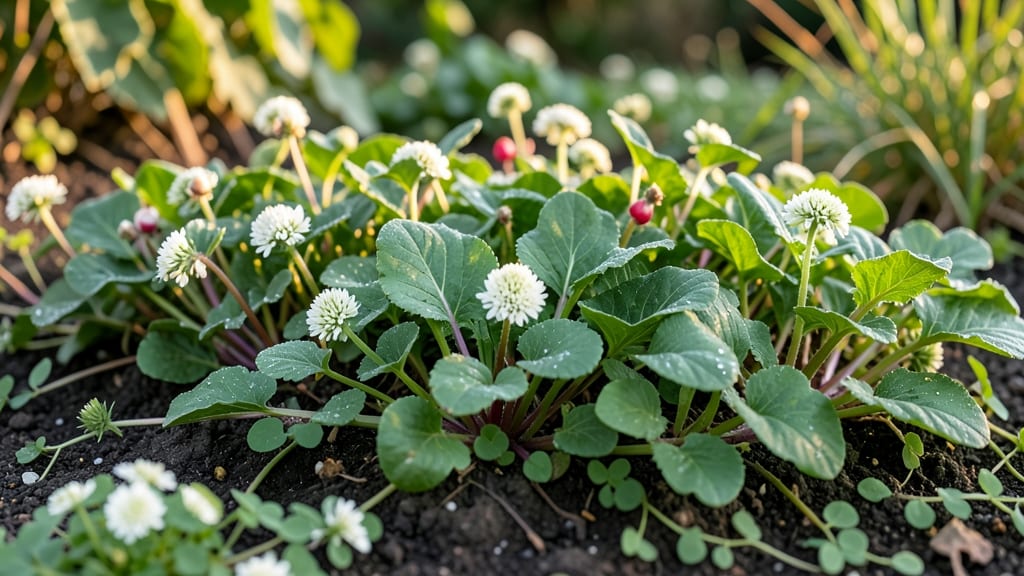
Planting your 🌾 food plots for deer at the wrong time in Georgia could mean watching bucks pass up your property—while neighbors enjoy a whitetail buffet.
The difference between success and disappointment often comes down to knowing exactly when to plant, based on your specific zone and the crops you choose.
Georgia's 7a-8b climate gives you two prime windows: late summer to early fall for warm-season grasses and brassicas, or early spring for clover mixes. But timing isn't just about months—it's about frost dates, soil temperatures, and deer behavior patterns that change with the seasons.
I'll break down the zone-specific deadlines you need to know, from North Georgia's cooler springs to South Georgia's extended growing seasons. Whether you're planting clover for spring grazing or brassicas for fall rut activity, these details will help you create a food plot that deer can't resist.
Ready to turn your property into a whitetail magnet? Let's get into the exact planting schedule that works for Georgia's hunting seasons, so you can start seeing deer sign within weeks—not months.
Georgia’s 3 planting zones for food plots: when to start based on climate
Georgia’s diverse climate zones create three distinct regions where food plot timing can make or break your deer hunting success. North Georgia’s cooler springs and earlier frosts demand earlier planting, while South Georgia’s extended growing season allows for later starts.
Understanding these zones helps you align your planting with deer behavior patterns and seasonal forage needs.
Each zone has critical frost dates that dictate when to plant cool-season crops like clover and rye versus warm-season plants such as brassicas and sorghum.
For example, North Georgia’s last frost in March 15 means you must plant spring crops by early February, while South Georgia’s November 15 first frost extends your fall planting window.
Here’s how to match your planting schedule to Georgia’s zones for maximum deer activity:
North Georgia landowners should prioritize early spring planting of clover and wheat to ensure deer have fresh forage by late winter. The February 1 deadline is critical—planting later risks frost damage before establishment.
Meanwhile, South Georgia’s later frost dates allow for September planting of warm-season crops like sorghum, which deer love during the rut.
Central Georgia offers a middle-ground approach, where you can plant brassicas in late summer for fall deer activity or clover in early spring for summer grazing.
The key is aligning your crop choice with deer behavior—brassicas attract deer during the rut in November, while clover provides protein-rich forage in late summer.
Soil temperature is another critical factor often overlooked. For warm-season crops like brassicas, wait until soil temps reach 60°F—use a soil thermometer to avoid planting too early. In North Georgia, this typically means waiting until mid-April for brassicas, even if frost dates suggest earlier planting.
Pro tip: Use frost-free date maps from your local USDA extension office to fine-tune your planting schedule. These maps account for microclimates that can shift your frost dates by 1-2 weeks compared to general zone guidelines.
For example, a south-facing slope in North Georgia may stay frost-free 10 days longer than the average zone prediction.
Remember, deer activity peaks during food scarcity—late winter and early fall. Planting clover in spring ensures summer forage, while brassicas planted in late summer provide rut-season nutrition when bucks need it most. Match your planting to these windows, and you’ll turn your property into a deer magnet year-round.
Best food plot species by planting time for maximum deer impact
Choosing the right food plot species and planting them at the perfect time ensures deer will visit your property during critical seasons. In Georgia, deer rely on high-protein forage during late winter and fall, when natural food sources are scarce.
The crops you plant—and when you plant them—directly impact deer activity, especially during the rut in November and late winter when bucks need energy for breeding.
Here’s a breakdown of the top-performing crops for each planting window, ranked by deer preference and nutritional value. Whether you're aiming for spring grazing or fall rut activity, these species deliver consistent results across Georgia’s zones.
- 🌿 Clover Mixes (White, Crimson, Alsike) – Deer love these high-protein legumes, especially during late summer when natural forage declines. Plant by March 15 in North Georgia or April 15 in South Georgia for peak growth.
- 🌾 Wheat – Fast-growing and deer-resistant to frost, wheat provides early spring forage and can be planted as early as February 1. Combine with clover for a longer grazing window.
- 🌻 Oats – A cool-season cover crop that deer graze heavily in late winter. Plant by March 1 for fall harvest, or overseed in October for spring grazing.
- 🥬 Brassicas (Turnips, Radishes, Kale) – These rut-season superstars attract deer with their high sugar content. Plant turnips by August 15 for fall grazing, as they mature quickly (60-90 days). Deer can’t resist the sweet, tender leaves.
- 🌾 Sorghum-Sudangrass – A warm-season powerhouse that thrives in Georgia’s heat. Plant by June 15 for summer forage or August 1 for fall growth. Deer prefer it before it flowers (nutritional value drops after heading).
- 🌻 Millet – Fast-growing and drought-tolerant, millet is ideal for South Georgia’s extended growing season. Plant by July 15 for summer grazing or September 1 for fall activity.
- 🌾 Rye – A cool-season staple that deer graze heavily in late winter. Plant by October 1 for spring forage or September 15 in South Georgia. Rye’s deep roots improve soil health for future plantings.
- 🌱 Winter Peas – These protein-rich legumes provide late-winter forage when other crops are dormant. Plant by September 30 for peak growth in March-April.
- 🥕 Daikon Radishes – A high-impact brassica that deer devour during the rut and late winter. Plant by August 15 for fall harvest, as they mature in 60-70 days.
For maximum deer impact, rotate crops seasonally to create a year-round forage calendar. For example, plant clover in spring for summer grazing, then follow with brassicas in late summer for fall rut activity. This strategy ensures deer have consistent nutrition and keeps them visiting your property.
Pro tip: Mix legumes (clover, peas) with grasses (wheat, rye) to boost soil fertility naturally. Legumes fix nitrogen, reducing the need for synthetic fertilizers while providing high-protein forage that deer crave during critical periods.
Always monitor deer activity after planting. If deer ignore a plot, it may be too mature or flowering. Harvest or mow plots to encourage regrowth and regrazing, especially for brassicas and clover. A well-managed food plot becomes a year-round deer magnet—not just a seasonal attraction.