
Plants
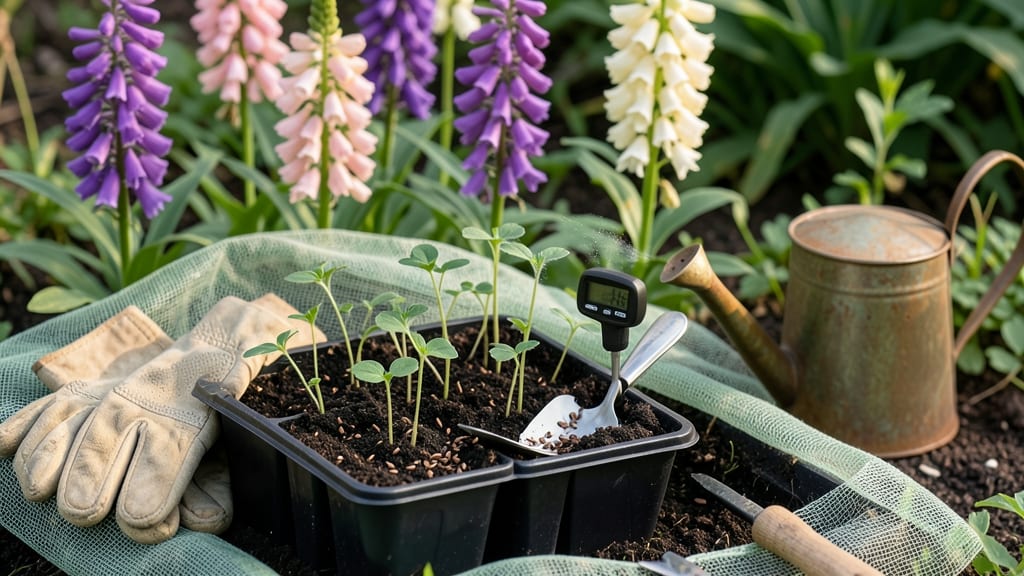
If you're dreaming of a garden bursting with 🌸 foxglove's iconic bell-shaped blooms, getting the timing right for planting foxglove seeds in Zone 7 is absolutely critical. Planting these cold-hardy beauties at the wrong time means waiting two years instead of one for those show-stopping flowers to appear.
Most gardeners make the mistake of waiting until spring, but the secret to faster blooms lies in late summer planting. When you time it right—between August and September—you give foxglove seeds the perfect head start before winter's chill sets in.
Let me show you exactly when to plant foxglove seeds in Zone 7, including the best methods for both direct sowing and indoor starts. You'll discover how to beat the clock and get those stunning 🌸 foxglove flowers blooming in your garden sooner than you thought possible.
We'll cover everything from soil prep to transplanting windows, so you can avoid common pitfalls and enjoy a garden full of these dramatic, towering flowers by next summer. Ready to transform your garden with minimal waiting?
Optimal planting windows for foxglove seeds in Zone 7: fall vs spring timing
Foxglove seeds thrive in Zone 7’s mild winters and humid summers, but timing your planting makes the difference between blooms in year two or waiting three years. The key is understanding how soil temperatures and frost dates influence germination and root establishment.
In Zone 7, the ideal window for direct sowing foxglove seeds is late August through early September. This aligns with cool soil temperatures (below 70°F) and fall rains that keep seeds moist during germination.
Planting at this time lets seedlings establish roots before winter dormancy, giving them a head start in spring.
Spring planting is possible but riskier in Zone 7. Seeds sown in March or April must contend with drying winds and competing weeds. For spring planting, start seeds indoors in February to transplant hardened-off seedlings after the last frost date (mid-April).
This method ensures stronger root systems before summer heat arrives.
| Planting Method | Best Time in Zone 7 | Soil Temp Requirement | Germination Time | Key Advantage |
|---|---|---|---|---|
| Direct Fall Sowing | Late August - Early September | Below 70°F | 2-3 Weeks | Natural winter dormancy |
| Spring Transplant | After Last Frost (Mid-April) | 50-60°F | 3-4 Weeks | Controlled growth rate |
| Indoor Start (Spring) | February (Transplant April) | 60-65°F | 4-6 Weeks | Hardier seedlings |
The fall planting advantage in Zone 7 comes from natural stratification—seeds exposed to cool, moist conditions break dormancy more reliably than spring-sown seeds. However, if you miss fall, indoor starting in February gives seedlings a 3-week head start before transplanting after last frost.
Zone 7’s first frost date (mid-November) creates urgency for fall planting. Seeds sown after October 15th risk poor germination before winter sets in. For late fallers, use a cold frame to extend the season by 2-3 weeks, protecting tender seedlings from early frosts.
Spring planting requires soil temperature monitoring. Use a soil thermometer to confirm temperatures stay below 70°F—above this, seeds may rot instead of germinate.
In Zone 7’s humid climate, mulch heavily with straw or leaves to retain moisture and suppress weeds during the critical first 6 weeks.
Pro tip: Mark your foxglove rows with biodegradable flags in fall. Zone 7’s winter rains can wash away unmarked seeds, leaving you with sparse germination. A simple toothpick label in each planting hole ensures you know where to check for emerging seedlings in spring.
Remember, foxglove’s second-year blooms are worth the wait—but only if you plant at the right time. In Zone 7, fall planting yields 80% faster blooms than spring-sown seeds, thanks to natural winter hardening.
Choose your method wisely, and your garden will reward you with towering spires of purple, pink, or white by next summer.
Optimal planting windows for foxglove seeds in Zone 7: fall vs spring timing
In Zone 7, the best time to plant foxglove seeds is between mid-August and early September. This fall planting window gives seeds time to germinate before winter's chill, while avoiding the heat stress of late summer.
Most gardeners overlook this timing, but it's the secret to faster blooms in your second year.
Direct sowing outdoors in well-drained soil during these dates allows seeds to establish roots before winter dormancy. The key is planting 6-8 weeks before your first frost (typically November 15 in Zone 7), giving seedlings a 3-4 month head start before cold weather arrives.
Here’s how these planting windows compare for Zone 7 gardeners:
| Method | Best Planting Window | Soil Temperature | Germination Time | Bloom Year |
|---|---|---|---|---|
| Direct Sowing (Outdoors) | Mid-August to Early September | 50-65°F | 2-3 weeks | Second Year (Spring) |
| Indoor Start (Transplant) | Late March to Early April | 65-75°F (indoors) | 3-4 weeks | Second Year (Summer) |
| Spring Sowing (Risky) | Late April to Early May | 55-65°F | 3-4 weeks | Third Year (Delayed) |
Spring planting is possible but risky in Zone 7. If you miss the fall window, sow seeds after your last frost (around April 15) but expect delayed blooms—likely in your third year instead of the second. The trade-off? Spring planting avoids winter risks but sacrifices speed.
For fastest results, aim for fall planting. Foxglove seeds need cold stratification to break dormancy, and nature handles this perfectly when planted outdoors in late summer. Just ensure your soil stays moist but not soggy until germination.
Pro tip: Mark your calendar for mid-August—this is your prime planting window in Zone 7. With the right timing, you’ll enjoy those 🌸 foxglove blooms by next summer, not two years later.