
Trees
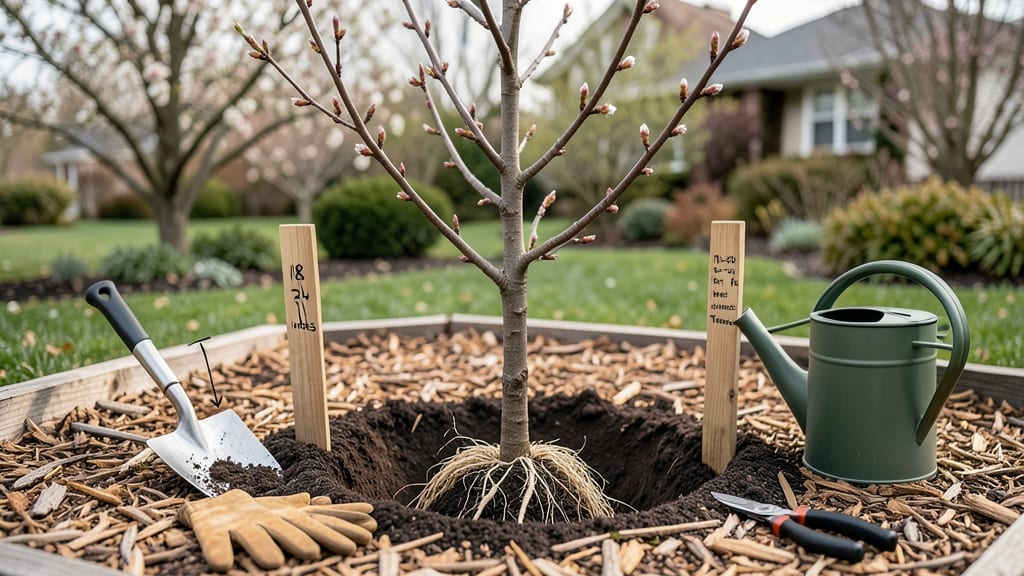
Planting fruit trees in Washington at the wrong time can turn your orchard dreams into years of frustration—especially with 5b-8b zones and unpredictable frost dates. The difference between a thriving 🍎 harvest and wasted effort often comes down to knowing when to dig in your shovel.
Most gardeners assume spring is the only window, but Washington’s climate demands precision. Planting too early risks frost damage, while waiting too long can stunt root growth.
I’ll break down the exact February-April timeline that works for bare-root and container-grown trees, plus how to adjust for Puget Sound’s milder winters versus the colder inland regions.
You’ll also discover which fruit trees—like apples, cherries, or peaches—thrive best in your specific zone, and how to prep your soil for Washington’s acidic conditions. Let’s get those roots in the ground at the perfect moment for a bountiful harvest.
Ready to avoid common mistakes and set your fruit trees up for success? Here’s everything you need to know before your first shovel hits the dirt.
Washington’s planting zones: exact deadlines by region for fruit tree success
Washington’s diverse climate—from the cool, wet Pacific Northwest to the hot, dry Yakima Valley—means planting deadlines vary dramatically. Understanding your USDA zone and last frost date is critical for success.
In Zone 5b (e.g., Spokane), you’ll plant earlier than in Zone 8b (e.g., Yakima), where peaches thrive. Let’s break it down by region.
For bare-root trees, the golden window is late winter to early spring (February through April), when trees are dormant but soil is workable. Container-grown trees, however, can be planted throughout the frost-free season (May through October), giving you more flexibility.
The key is avoiding late spring plantings, which risk root stress before establishment.
🌱
| Zone | Region | Last Frost Date | Ideal Planting Window | Notes |
|---|---|---|---|---|
| 5b-6a | Spokane, Wenatchee | March 15 | February 15 - April 15 | Cold-hardy varieties like Honeycrisp apples or Montmorency cherries. |
| 6b-7a | Puget Sound, Seattle | April 1 | March 1 - April 30 | Moderate chill hours; Gala apples and Bing cherries excel. |
| 7b-8a | Yakima Valley, Walla Walla | April 15 | March 15 - May 15 | Warmer zones suit peaches and nectarines; avoid late plantings. |
| 8b | Tri-Cities, Vancouver | May 1 | April 1 - June 1 | Low-chill varieties like Lapins cherries thrive here. |
Washington’s East Side (e.g., Yakima) enjoys hotter summers and colder winters than the West Side (e.g., Seattle), creating microclimates that affect planting. For example, apples in Zone 6 need 800+ chill hours, while peaches in Zone 8 require only 300-500 chill hours.
Always check your tree’s chill hour requirements before planting.
If you’re in Zone 5b or 6a, prioritize early spring plantings (February-March) to avoid late frost risks. In Zone 7 and above, you can extend planting to early May, but monitor soil temperatures—roots need 40°F+ to establish. Use a soil thermometer to confirm readiness.
One common mistake is planting too late in spring, which delays root growth. In Zone 8b, for instance, planting after May 1 can stunt young trees before winter.
To hedge your bets, container-grown trees are your best option for late-season plantings, as their roots are less vulnerable to transplant shock.
For bare-root trees, soak roots in water for 1-2 hours before planting to revive them.
In clay-heavy soils (common in Eastern WA), amend with compost or sand to improve drainage. Acidic soils (pH < 6.0) are typical in the Pacific Northwest, so test your soil and add lime if needed—especially for pears and apples, which prefer pH 6.0-7.0.
Pro tip: Plant 2-3 inches deeper than the root flare to encourage strong root growth. Stake young trees only if necessary (e.g., windy sites like the San Juan Islands), and avoid burying the graft union.
Mulch with wood chips to retain moisture and suppress weeds, but keep mulch 3 inches away from the trunk to prevent rot.
Finally, Washington’s rainy winters can delay planting. If
Best fruit trees for Washington’s climate: planting timing by variety
Washington’s diverse climate—from the cool coastal regions of the Puget Sound to the warmer inland valleys like the Yakima Valley—means not all fruit trees thrive equally. Choosing the right variety and planting at the correct time ensures your trees grow strong and produce fruit.
Here’s a breakdown of top fruit trees for Washington and their ideal planting windows.
For apple trees, the Honeycrisp and Fuji varieties are excellent choices, especially in USDA zones 5-7. These trees need 300-500 chilling hours (cold winter hours), which Washington’s climate provides.
Plant them in late winter to early spring (February to April) while they’re still dormant. This timing allows roots to establish before the growing season begins.
If you’re growing cherry trees, Sweetheart cherries and Stella cherries are popular in Washington, particularly in zones 6-8. These trees require 500-900 chilling hours, making them perfect for the cooler inland areas.
Plant them in late winter (February to early March) to avoid early spring frosts that can damage blossoms. In warmer zones like Yakima, you can extend planting to early April.
For stone fruits like peaches and plums, varieties such as Redhaven peaches and Stanley plums thrive in zones 7-9, particularly in the warmer eastern regions of Washington. These trees need 300-600 chilling hours and should be planted in early spring (March to April) once the soil is workable.
Planting too early can expose them to late frosts, which are common in the Puget Sound region.
In cooler microclimates, like the San Juan Islands, consider apricots or plums that tolerate shorter chilling periods, such as the Methley plum. These can be planted in late winter to early spring (February to March) and will still produce well with proper care.
Regardless of the variety, always test your soil’s pH before planting—Washington’s native soils are often acidic, and most fruit trees prefer a slightly acidic to neutral pH (6.0-7.0). Amending the soil with lime or compost can make a big difference in your tree’s long-term health. 🌱