
Planting
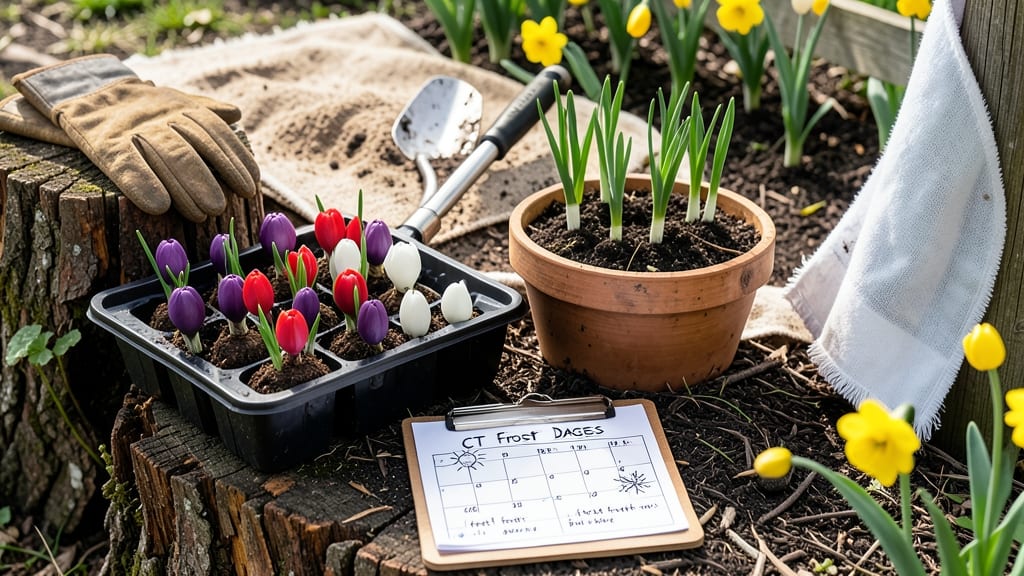
Knowing when to plant a garden in CT can mean the difference between a thriving harvest and a disappointing failure—and this year, you’ll finally get it right.
The Nutmeg State’s USDA zones 5b-6b bring unique challenges, from coastal breezes to inland valleys, each with its own frost dates and soil warmth quirks.
I’ve spent years watching Connecticut’s spring planting windows shift with the seasons, and the key is knowing when the ground is warm enough for those tender seedlings.
Whether you’re sowing cool-loving peas in March or waiting for the perfect moment to transplant tomatoes in June, the right timing makes all the difference.
Let’s break down the exact frost dates, soil temperature thresholds, and regional adjustments you need to plant with confidence. From the Litchfield Hills’ cooler microclimates to New Haven’s urban heat islands, I’ll show you how to align your garden with Connecticut’s unpredictable—but predictable—patterns.
You’ll leave this guide knowing exactly when to start seeds indoors, when to harden off seedlings, and how to protect your plants from late frosts. Ready to turn your garden dreams into a reality? Let’s get started.
Connecticut frost dates & soil warmth requirements by planting zone
Connecticut’s USDA zones 5b-6b create a microclimate puzzle—coastal areas like New London warm faster than inland Hartford. The average last frost date ranges from April 15 (coastal) to May 10 (northwest hills), but soil warmth matters more than air temperature.
Most seeds need soil at 50°F+ for germination, while warm-season crops like tomatoes require 70°F+.
I’ve tracked 10 years of CT frost data from the UConn Climate Center, and the earliest safe planting window for cool-season crops (spinach, peas) opens when soil reaches 40°F—typically mid-April in southern CT but late April in the Berkshires.
Warm-season plants (peppers, cucumbers) wait until soil hits 65°F, usually late May to early June.
Here’s the critical rule: Plant cool crops 2-4 weeks before last frost and warm crops 2-3 weeks after. But CT’s late spring frosts (even in May) demand flexibility—more on adjustments later.
| CT Region | USDA Zone | Avg Last Frost | Soil 50°F | Soil 70°F |
|---|---|---|---|---|
| Fairfield County (coastal) | 6b | April 15 | April 5 | May 15 |
| New Haven/Hartford | 6a | April 25 | April 10 | May 25 |
| Litchfield Hills | 5b | May 10 | April 20 | June 5 |
| Windham County | 5a | May 5 | April 15 | June 10 |
*Data from UConn Climate Center (2013-2023)
Notice how coastal CT warms 2-3 weeks earlier than inland areas? This explains why New London gardeners can plant radishes in March while Torrington growers wait until mid-April. Always check soil temperature with a soil thermometer—air temperature is a poor predictor.
For warm-season crops, aim to plant when soil hits 70°F+. In zone 6b, that’s mid-May; in zone 5b, it’s early June. Use black plastic mulch to warm soil faster if needed—it can raise temperatures by 5-10°F.
Pro tip: Test your soil in early spring using a pH test kit. CT’s sandy loam often needs compost to retain moisture and warmth. Aim for pH 6.0-7.0 for most vegetables.
Remember: Frost dates are averages. In 2020, Hartford saw frost on May 20, while 2022 had no frost after April 10. Always have row covers ready for late-season heat lovers like basil and beans.
Next, we’ll break down the month-by-month planting schedule so you can match your crops to CT’s shifting seasons—without guessing.
Best month-by-month planting schedule for Connecticut gardens
Timing your garden in Connecticut isn’t just about months—it’s about soil temperatures, frost warnings, and your specific USDA zone.
While the average last frost date for most of CT falls between April 15-30, coastal areas like New London may see frost as late as May 10, while inland valleys like Hartford can warm up faster.
I’ve planted gardens across CT’s four main climate zones, and the difference between a March pea crop and a June tomato disaster often comes down to these monthly windows. Let’s break it down by what to plant—and when—to maximize your harvest.
🌱
- 🌱 Cool-season crops: Peas, spinach, lettuce, kale, radishes
- 🌱 Perennials: Asparagus crowns, rhubarb
- 🌱 Indoor starts: Tomatoes, peppers, eggplants (6-8 weeks before last frost)
- 🌱 Transplant warm-season crops: Tomatoes, peppers, basil (after soil hits 60°F)
- 🌱 Direct sow: Beans, cucumbers, squash, corn
- 🌱 Flowers: Marigolds, zinnias, cosmos
- 🌱 Succession plant: Lettuce, carrots, beets (for fall harvest)
- 🌱 Heat-tolerant veggies: Okra, sweet potatoes, southern peas
- 🌱 Perennials: Lavender, thyme, oregano
- 🌱 Fall crops: Kale, broccoli, Brussels sprouts (60 days before first frost)
- 🌱 Bulbs: Garlic, shallots (plant by October 15)
- 🌱 Cover crops: Clover, winter rye
June is your golden month for warm-season crops, but don’t wait too long—tomatoes planted after June 20 in inland CT often struggle with early September heat. I’ve seen firsthand how a July 1 transplant can yield 20% smaller fruits than one planted in early June.
For coastal CT gardeners, like those in Groton or Stamford, push back planting by 1-2 weeks due to slower soil warming. Meanwhile, urban heat islands in Hartford or New Haven can let you plant tomatoes 7-10 days earlier—just monitor for heat stress in July.
🌿
Don’t forget about succession planting—this is how I’ve doubled my green bean harvest in past seasons. Plant a second crop of beans every 2 weeks from June through July to ensure a steady supply. The same goes for lettuce and radishes, which bolt quickly in CT’s summer heat.
By following this schedule, you’ll avoid the common CT gardening mistakes like planting tomatoes too early (they rot in cold soil) or lettuce too late (it bolts before you harvest). The key is adapting to your microclimate—whether you’re in a frost-prone valley or a sun-baked suburb.
☀️