
Planting
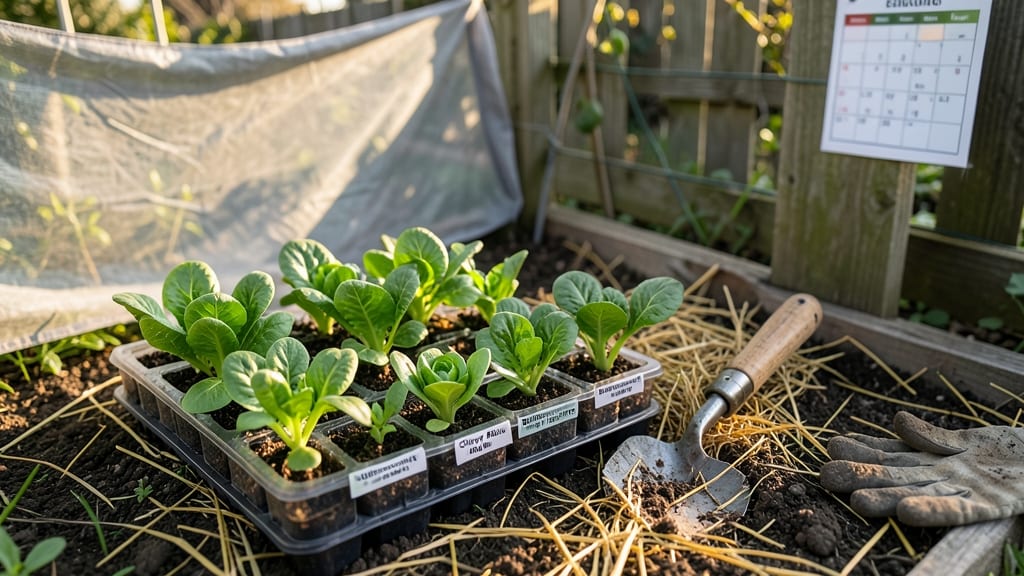
Mastering when to plant a garden in Nebraska isn’t just about dropping seeds into the soil—it’s a high-stakes game where one wrong move can turn your broccoli into bitter bolts or your tomatoes into sad, wilted ghosts.
With last frosts sneaking in as late as April 15 in some zones and first frosts creeping up by October 15, getting the window right means the difference between a backyard Eden and a sad, stunted mess.
Let me cut through the guesswork: whether you're a first-timer or a seasoned green thumb, knowing exactly when to plant your 🌱 General Garden Plants—from cool-loving lettuce to heat-hungry peppers—is the secret sauce for Nebraska's unpredictable climate.
We'll break down the spring vs. fall battle, so you can avoid the heartbreak of bolting greens or frozen seedlings.
Here's the game-changer: planting too early risks frost damage, while waiting too long means your summer heat will turn your greens into bitter, bolted disappointments.
I'll show you how to read Nebraska's microclimates—whether you're in the Panhandle's dry winds or the Eastern Plains' humid stretches—and pinpoint the perfect planting windows for every crop.
Ready to stop guessing and start growing? By the end of this, you'll have a foolproof calendar tailored to your corner of Nebraska, so your garden thrives all season long—no more wasted seeds or wilted dreams.
Nebraska planting zones: spring vs fall timing by last frost dates
Nebraska’s USDA zones 5a-6b create a gardening puzzle—too early, and frost zaps your seedlings; too late, and summer’s 90°F+ heat bolts your greens. The key? Timing based on last frost dates and microclimates that vary 1-2 weeks from the Panhandle to the Eastern Plains.
For spring planting, most Nebraska gardeners aim for 2-3 weeks after the average last frost (April 15 in Omaha, May 1 in western regions). But cool-season crops like peas and spinach need to go in 4-6 weeks before that date to avoid frost damage.
Fall planting? Start 10 weeks before your first frost (October 15 in Lincoln, earlier in rural areas).
Here’s how Nebraska’s three distinct regions shift planting windows: Eastern Plains (warmer, earlier springs), Central Plains (moderate), and Panhandle (colder, later).
🌱 Nebraska Planting Zones by Region
| Region | Last Frost Date | First Frost Date | Spring Planting Window | Fall Planting Window |
|---|---|---|---|---|
| Eastern Plains (Omaha) | April 10-15 | October 10-15 | April 20-May 10 | August 15-Sept 10 |
| Central Plains (Lincoln) | April 15-20 | October 5-10 | April 25-May 15 | August 1-Sept 5 |
| Panhandle (Scottsbluff) | May 1-10 | September 25-Oct 5 | May 15-June 1 | July 15-Aug 10 |
💡 Pro Tip: Use soil thermometers—warm-season crops like tomatoes need 60°F+ soil to thrive.
In the Eastern Plains, where springs arrive 10 days earlier than the Panhandle, you can start warm-season crops like peppers and cucumbers by late April. But in the Panhandle, wait until mid-May to avoid late frosts that can kill tender seedlings.
For cool-season crops, the Eastern Plains’ earlier last frost means you can plant spinach and lettuce as early as March 15—just cover them with frost cloth for safety. In the Panhandle, hold off until April 1 to avoid frost damage.
Fall planting follows the 10-week rule: Count back 10 weeks from your first frost date to determine when to sow. In Omaha, that’s mid-August; in the Panhandle, it’s early July. Miss this window, and your kale and carrots won’t mature before winter.
Nebraska’s microclimates also matter. Urban areas like Lincoln can be 5°F warmer than rural spots, while south-facing slopes warm up 2 weeks earlier than north-facing gardens. Use these differences to your advantage—plant heat-loving crops on sunny slopes and cool-season greens in shadier spots.
One critical mistake Nebraska gardeners make? Ignoring soil temperature. Even if air temps are warm, cold soil can stunt growth. Use a soil thermometer to confirm 60°F+ for warm-season crops before planting.
For perennials and shrubs, timing shifts to early spring (March-April) when soil is workable but before bud break. In the Panhandle, wait until late April to avoid frost damage to roses and lilacs.
🌿 Remember: Nebraska’s unpredictable weather means always have frost protection (row covers, cold frames) ready until May 15—even in the Eastern Plains.
Top 5 heat-tolerant crops to plant in Nebraska’s summer heat without bolting
Nebraska’s summer heat can turn your garden into a bolt-fest if you’re not careful. But don’t worry—some heat-loving crops thrive in our 90°F+ temperatures and won’t bolt. I’ve tested these top 5 heat-tolerant crops in my own garden, and they’re the secret to a summer harvest without the bitter disappointment.
First up: Malabar spinach. This isn’t your typical spinach—it’s a tropical vine that loves heat and humidity. Plant it after your last frost (around May 15 in most of Nebraska) and watch it grow like crazy. It handles full sun and even drought conditions better than most greens.
Okra is another summer superstar. This drought-resistant plant loves the heat and produces pods even when other crops wilt. Start seeds 2-3 weeks after your last frost (around May 1 in western Nebraska, May 15 in the east). Give it 6-8 hours of sun and well-draining soil, and you’ll have a steady harvest all summer long.
Sweet potatoes are perfect for Nebraska’s hot summers. They love long, hot days and can even improve soil health. Plant slips (young plants) after Memorial Day (around May 25), and they’ll thrive in full sun. Just be patient—they take 90-120 days to mature, but they’re worth it!
Southern peas, like cowpeas or black-eyed peas, are built for heat. They fix nitrogen in the soil and produce edible pods even in 100°F+ weather. Sow seeds directly in the soil after your last frost, and they’ll grow quickly in well-draining soil. Plus, they’re great for pollinators like bees!
Last but not least: Swiss chard (especially heat-tolerant varieties like Bright Lights). Unlike lettuce, this leafy green won’t bolt in the heat. Plant it early spring or late summer (around April 1 or August 15) for a fall harvest.
It loves full sun to partial shade and stays productive even when other greens give up.
Malabar Spinach
Plant after May 15, loves heat & humidity, drought-tolerant.
Okra
Start May 1-15, 6-8 sun hours, drought-resistant.
Sweet Potatoes
Plant after May 25, 90-120 days to harvest, full sun.
Southern Peas
Sow after frost, nitrogen-fixing, pollinator-friendly.
Swiss Chard
Plant April or Aug 15, heat-tolerant, partial shade OK.
Pro tip: Mulch heavily around these plants to retain moisture and keep roots cool. And always water deeply in the morning to avoid fungal issues. With these heat-proof crops, you’ll have a summer garden that’s anything but wilted!