
Plants
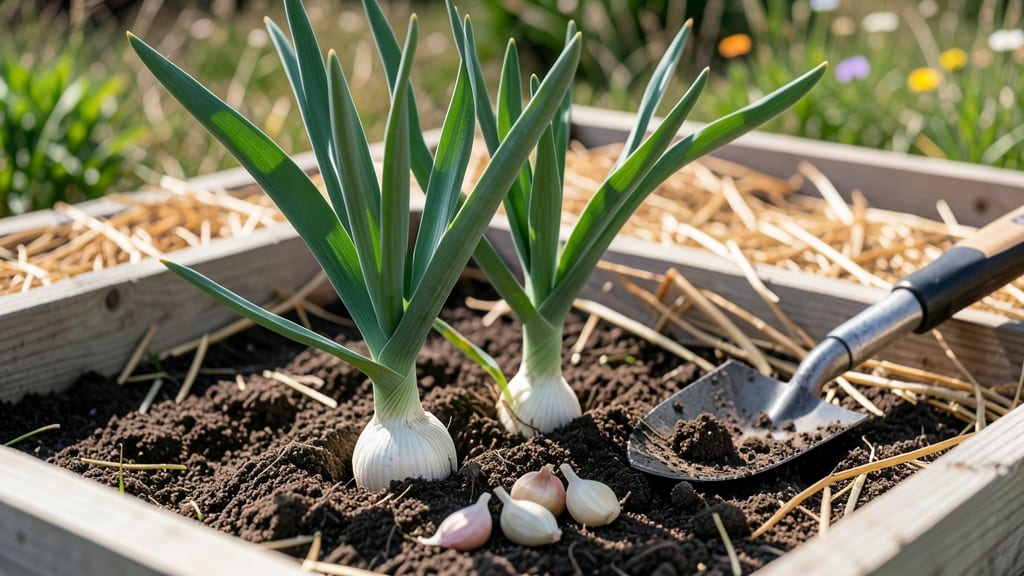
Timing your garlic planting just right in Denver is the secret to growing bold, flavorful bulbs that’ll make your kitchen the envy of the neighborhood.
With Denver’s USDA Zone 6a climate and unpredictable frost dates, getting the window right means the difference between a thriving crop and a sad, frozen mess.
Most gardeners here swear by planting 🧄 mid-October to early November, but why? Because garlic needs those 4-6 weeks before the ground freezes to establish roots—no shortcuts. I’ve learned the hard way that planting too early or too late can leave your cloves weak or bolting before harvest.
In this guide, I’ll break down Denver’s exact planting deadlines, soil prep tricks to beat our clay-heavy dirt, and how to protect your garlic from those sneaky early frosts. Whether you’re a first-timer or a seasoned grower, these insights will help you nail the timing every year.
Let’s get your garlic in the ground before the first frost hits—because by mid-July, you’ll be reaping the rewards of perfect timing. Ready to dig in?
Denver’s ideal garlic planting window: exact fall deadlines by variety
Planting garlic in Denver’s USDA Zone 5b/6a requires precision—miss the window, and you risk stunted bulbs or total failure. The ideal planting window spans from mid-October to early November, but hardneck and softneck varieties have slightly different needs.
Hardnecks, like ‘German Red’ or ‘Chesnok Red’, thrive when planted 4–6 weeks before the ground freezes, typically by October 15–November 1. Softnecks, such as ‘Silverskin’, are more flexible but still benefit from fall planting before December 1.
Denver’s elevation and microclimates add complexity. Urban areas like Downtown Denver may experience earlier frosts due to heat islands, while suburban neighborhoods like Arvada or Lakewood often have 1–2 weeks later frost dates.
Check your local NOAA frost data or use a soil thermometer to confirm when temps drop below 20°F—your cue to plant.
For hardneck garlic, aim to plant by October 20 to ensure roots establish before winter. Softnecks can stretch to November 15, but planting too late risks smaller bulbs.
If you’re unsure, err on the earlier side—garlic planted in September can survive but may bolt prematurely if temps rise unexpectedly.
If you’re planting in containers, stick to hardnecks and use well-draining potting mix. Containers freeze faster, so plant by October 1 and bury pots 6 inches deep in mulch or straw to insulate roots.
For in-ground planting, choose a sunny, raised bed if your soil drains poorly—Denver’s clay can suffocate garlic roots.
Pro tip: Break apart garlic bulbs into individual cloves right before planting. Each clove should have 1–2 paper skins and a small root nub. Plant the pointy end up, 2 inches deep, and 4–6 inches apart.
Space rows 12 inches apart for easy harvesting. Mulch with 4–6 inches of straw after planting to protect cloves from temperature swings.
Denver’s unpredictable weather can throw off even the best-laid plans. If unseasonably warm fall weather delays frost, monitor soil temps—plant when they hover around 40–50°F. If a hard freeze hits early, cover beds with row fabric or cardboard until temps rise.
Remember: garlic needs cold dormancy to form bulbs, so don’t rush planting just because the air feels chilly.
For urban gardeners, consider vertical planting in fabric grow bags or hanging planters. These work well on balconies or patios, provided they’re protected from wind. Just ensure they’re elevated off the ground to prevent rot.
If you’re in a warmer microclimate (e.g., near the Platte River), you might push planting to early December, but expect smaller yields.
Finally, label your rows with variety names and planting dates. Denver’s altitude can affect garlic maturity—some varieties may need 10–14 extra days to reach harvest compared to lower elevations.
Keep a gardening journal to track which varieties thrive in your specific spot. With the right timing, you’ll harvest plump, flavorful bulbs by mid-July—worth the wait!
How Denver’s frost dates affect garlic survival (and when to adjust)
Denver’s first frost typically arrives around October 15, but that date can swing by 2-3 weeks either way. This variability makes garlic planting a game of patience—plant too early, and your cloves might sprout and rot before winter; too late, and they won’t establish roots before the ground freezes.
I’ve seen neighbors lose entire crops because they ignored this rule.
The key is planting 4-6 weeks before your average first frost. For Denver, that’s usually mid-October to early November. But if you’re in a warmer microclimate (like near downtown), you might push planting to late November.
Conversely, high-altitude areas (e.g., 10,000+ feet) may need to plant by mid-October.
Here’s the catch: Unexpected early frosts can still sneak in. Last year, a 28°F dip in late October caught me off guard. To protect your garlic, use row covers or straw mulch (4–6 inches thick) once temperatures drop below 25°F. This insulation keeps roots alive even if tops freeze.
If you miss the fall window, don’t panic—you can plant garlic in December if the soil is workable (not frozen or soggy). However, bulbs may be smaller and less flavorful because they won’t have as much time to mature.
I’ve tried this twice, and while it’s not ideal, it’s better than no garlic at all!
NOAA’s frost data for Denver shows a 10% chance of frost by October 1 and a 50% chance by October 15. Use this as a guideline: if your local forecast predicts a 32°F night within 2 weeks of planting, delay until conditions stabilize. Check the National Weather Service Denver for real-time updates.
Pro tip: Hardneck varieties (like ‘German White’) handle Denver’s winters better than softnecks. Their sturdy stems resist frost damage, giving them an edge in our climate. If you’re unsure, stick with hardnecks—they’re the safest bet for our region.
Remember, garlic is dormant in winter, so it’s not like other crops that need constant care. Once planted, just mulch and forget until spring. The real work happens in July, when you’ll harvest your reward for nailing the timing. 🧄
Frost Warning: Don’t Rush!
Planting garlic too early (before September 15) risks premature sprouting and rot. Wait until soil temps drop below 70°F—this signals it’s time to plant. Use a soil thermometer to check!
If frost hits before roots establish (4-6 weeks of growth), your garlic will die back. Cover beds with straw or row fabric if early frost is forecasted.
For extra peace of mind, I plant a test clove in early October. If it sprouts within 2 weeks, I know the soil is ready for the full batch. This simple trick has saved me from wasted seed and disappointing harvests over the years.
Denver’s last frost usually hits around May 15, but that’s irrelevant for garlic—it’s already growing! Focus on fall planting, and you’ll avoid the stress of spring surprises. By next July, you’ll be pulling plump, flavorful bulbs while your neighbors scramble to find store-bought garlic. Worth the wait! ✂️