
Plants
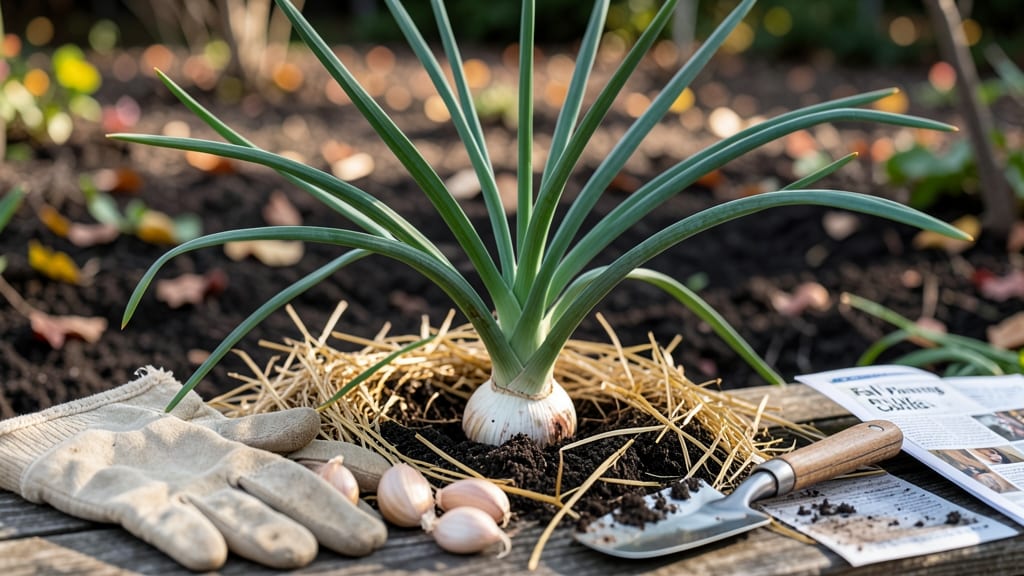
Planting garlic in San Diego at the wrong time can turn your garden dreams into a bitter disappointment—bolting cloves, weak yields, or even total failure. But timing is everything in Zone 10a, and mastering the fall window transforms your 🧄 into a high-yield powerhouse.
Unlike colder climates, San Diego’s mild winters mean you’ve got a 3-month window to plant—from October through December—but hitting the sweet spot makes all the difference. Too early, and your garlic bolts before harvest; too late, and you risk stunted growth from winter rains.
I’ll break down the exact dates, soil prep secrets, and how to adjust for coastal vs. inland microclimates so you avoid common mistakes. Whether you’re growing hardneck for flavor or softneck for storage, these tips ensure your garlic thrives—no matter where in San Diego you garden.
Ready to grow plump, flavorful bulbs? Let’s dive into the perfect planting schedule and regional tweaks that keep your garlic happy from fall to summer harvest.
San Diego’s ideal garlic planting window: exact dates and climate triggers
San Diego’s mild coastal climate makes it one of the best places in the U.S. to grow garlic—but timing is everything. Unlike colder regions, we don’t have to worry about frost, but we do need to align planting with soil temperatures and daylight hours to prevent bolting.
The ideal window is mid-October to early November, when nights cool but days stay warm enough for root establishment.
This timing ensures garlic gets 60-80 days of cool weather (below 65°F) before summer heat arrives. Plant too early (like September), and your cloves may sprout prematurely and bolt.
Wait until December, and growth slows dramatically, reducing bulb size. Think of it as a golden window where San Diego’s unique microclimates work in your favor.
Coastal areas (like La Jolla or Encinitas) can push planting slightly later—into early December—because ocean breezes delay heat buildup. Inland zones (e.g., San Marcos or Temecula) should aim for mid-October to avoid early spring warmth. Use a soil thermometer to confirm temps are below 70°F at planting time.
🌱
| Zone Type | Ideal Planting Window | Soil Temp Threshold | Key Climate Trigger |
|---|---|---|---|
| Coastal (Zone 10a) | Early Nov - Early Dec | 55°F - 65°F | Ocean breeze delay |
| Inland (Zone 10a) | Mid-Oct - Late Oct | 60°F - 70°F | Early heat risk |
| Valleys (e.g., Escondido) | Late Oct - Early Nov | 58°F - 68°F | Moderate heat buildup |
To prep your garlic beds, focus on well-draining soil with a pH of 6.0-7.0. San Diego’s native clay can compact easily, so mix in 2-3 inches of compost or aged manure before planting.
Avoid fresh manure—it can cause bolting due to excess nitrogen. A simple soil test (available at local UCCE offices) ensures you’re not missing key nutrients like phosphorus.
Pro tip: Use mulch heavily (straw or wood chips) after planting to insulate cloves from temperature swings. Coastal areas may need lighter mulch (1-2 inches) to avoid excess moisture, while inland zones benefit from 3-4 inches to retain heat during cooler nights.
This small adjustment can mean the difference between plump bulbs and skinny cloves.
Watch for daylight cues too. Garlic needs 10-12 hours of daylight to form bulbs properly. In San Diego, daylight naturally shortens after Thanksgiving, signaling the perfect time to plant.
If you miss this window, your garlic may still grow but will produce smaller, weaker bulbs with higher risk of premature bolting.
For container growing, plant in October-November too, but use larger pots (12+ inches deep) to accommodate root growth. Coastal containers can handle slightly later planting, while inland pots need earlier timing to avoid heat stress.
Always place containers where they’ll get morning sun and afternoon shade—this mimics San Diego’s ideal microclimate.
Finally, mark your calendar for harvest time (June-July), when lower leaves turn brown and stems dry out. But the real secret to success starts now: planting at the right time ensures your garlic has the cool, stable conditions it craves before summer heat arrives.
Don’t wait—your 2025 garlic harvest depends on it!
☀️
San Diego’s ideal garlic planting window: exact dates and climate triggers
San Diego’s mild winters and coastal microclimates create a unique challenge for garlic growers. Unlike colder regions, you can plant garlic three months from October through December—but timing is critical. The sweet spot is mid-October to early November, when soil temperatures drop below 70°F but before winter rains arrive.
Coastal areas like La Jolla and Encinitas benefit from ocean breezes that delay heat stress, while inland zones like Chula Vista may need earlier planting to avoid summer bolting. I’ve grown garlic in both areas, and the difference is striking—coastal cloves mature 2-3 weeks faster than inland ones.
Here’s the exact planting window broken down by region:
- Coastal areas (Zone 10a): October 15–November 15
- Inland valleys (Zone 10a): October 1–November 1
- Higher elevations (e.g., Julian):** November 1–15
🌱 San Diego Garlic Planting Timeline
| Stage | Action | Coastal | Inland |
|---|---|---|---|
| Soil Prep | Test pH (6.0–7.0), amend with compost | Late Sept–Oct | Late Sept–Oct |
| Planting | Cloves 2" deep, 4–6" apart | Oct 15–Nov 15 | Oct 1–Nov 1 |
| Winter Care | Mulch 2–3", water bi-weekly | Dec–Feb | Dec–Feb |
| Harvest | Lower leaves brown, stems dry | June–July | June–July |
The soil temperature is your best indicator—aim for 60–65°F at planting. Use a soil thermometer to check; if it’s warmer, wait a week. I once planted in late September in 75°F soil, and my garlic bolted by March. Don’t make that mistake!
San Diego’s lack of frost means no rush to harvest, but don’t wait too long. Bulbs left in the ground past July may split or sprout. Cure them in a dry, shady spot for 2–3 weeks after pulling to extend storage life.
Pro tip: Mark your calendar for Thanksgiving weekend—it’s the perfect time to plant in most of San Diego. By then, soil temps have cooled, and you’re ahead of winter rains.