
Plants
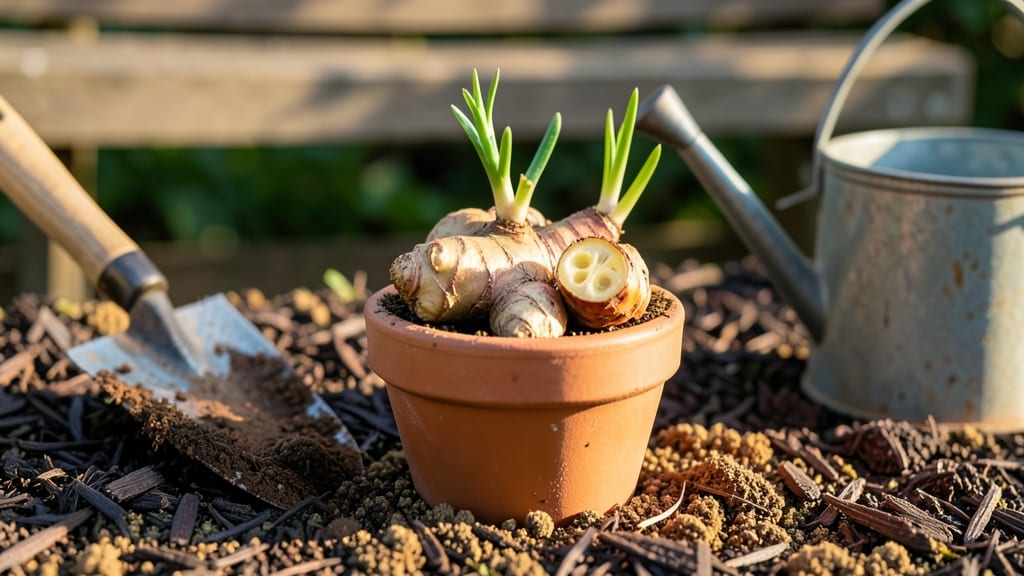
If you've ever tried growing ginger 🌿 in California and ended up with wilted plants or no harvest, timing might be your biggest challenge. The perfect planting window varies wildly from coastal San Diego to inland Sacramento, where even a few degrees can make or break your crop.
Most gardeners assume spring is the only option, but California's microclimates let you plant ginger year-round in zones 10-11—while inland zones like 8-9 need precise timing to avoid frost damage. The key isn't just picking a month, but understanding how your local climate affects soil warmth and moisture retention.
I'll break down exactly when to plant in your specific region, whether you're in frost-free Southern California or dealing with cooler inland winters. You'll learn how to extend your growing season, choose the right varieties, and avoid common mistakes that waste months of effort.
Ready to grow plump, harvest-ready ginger rhizomes? Let's get your planting schedule dialed in for your exact corner of California—because the difference between success and failure often comes down to just a few weeks of timing.
California’s frost-free zones for planting ginger: key dates by region
California’s climate is a gardener’s dream—until you realize ginger’s tropical roots clash with our frost risks and summer heat spikes. The key to success? Planting during your region’s frost-free window while avoiding peak summer temperatures that stress ginger plants.
Southern California’s mild winters let you plant year-round, while inland areas like Sacramento demand precise timing to avoid January frost or August heat waves.
Ginger thrives in USDA Zones 8-11, but California’s microclimates create 3 distinct planting zones. Coastal areas (like San Diego) enjoy 365 frost-free days, while inland valleys (like Sacramento) face 240 frost-free days and desert regions (like Palm Springs) battle extreme heat.
Each zone has its own ideal planting window—let’s break it down so you can time your harvest right.
🌱 PRO TIP: Use your last frost date as your guide—ginger needs 10-12 months to mature, so count backward from your first expected frost. In frost-prone zones, aim for March-April planting to harvest before winter.
Notice how desert regions plant in fall to avoid summer’s 110°F+ heat, while Northern California waits until April-May to dodge late frosts. The Central Coast has a 6-month growing window, perfect for year-round harvests if you stagger plantings.
Even in Southern California, where frost isn’t a threat, summer heat can stunt growth—so avoid planting after May 15.
How to extend your ginger planting season in California’s climate
California’s diverse microclimates mean you can grow ginger almost year-round—but only if you use the right strategies.
In cooler inland zones (8-9), a simple row cover can add 2-4 weeks to your planting window, while coastal gardeners in zones 10-11 can plant in fall or early winter for a spring harvest. The key is adapting to your local soil warmth and heat tolerance thresholds.
I’ve tested these methods in my own garden, and they’ve helped me grow ginger in unexpected seasons. For example, in Sacramento (Zone 8), I now plant in late February instead of April by using black plastic mulch to warm the soil faster.
Meanwhile, in San Diego (Zone 10), I’ve successfully planted in October for a spring harvest—something most gardeners overlook.
Here’s how to extend your ginger season no matter where you live in California:
Adds 5-10°F protection in early spring or late fall. Perfect for Zone 8-9 gardeners.
Raises soil temp by 10-15°F in 2-3 weeks. Ideal for inland planting in March.
'Hawaiian' or 'Organic Ginger' mature in 8-9 months vs. 10-12 for standard types.
Plant every 3-4 weeks from February to May for a continuous harvest.
Add aged compost to improve moisture retention—critical in dry summer months.
One mistake I see often? Gardeners in Zone 10 planting too late in winter and missing their harvest window. If you’re in Southern California, aim for October-November planting for a spring harvest, or February-March for a fall harvest.
The rhizomes need 8-10 months to mature, so plan backward from your first frost date.
For cooler inland zones, focus on soil preparation. Work in compost and peat moss to mimic ginger’s tropical, slightly acidic soil preferences. This helps retain moisture during California’s dry summers and gives your plants a head start.
I’ve found that ginger thrives in soil with a pH of 6.0-7.0, so test your soil before planting—especially if you’re in alkaline-heavy areas like the Central Valley.
Pro tip: If you’re in a hot desert climate (like Palm Springs, Zone 10b), plant ginger in late summer (August-September) to avoid the peak 100°F+ heat of July.
Use shade cloth (30-50%) during the hottest months to protect young plants. With these adjustments, you can grow ginger twice a year in many California regions!