
Plants
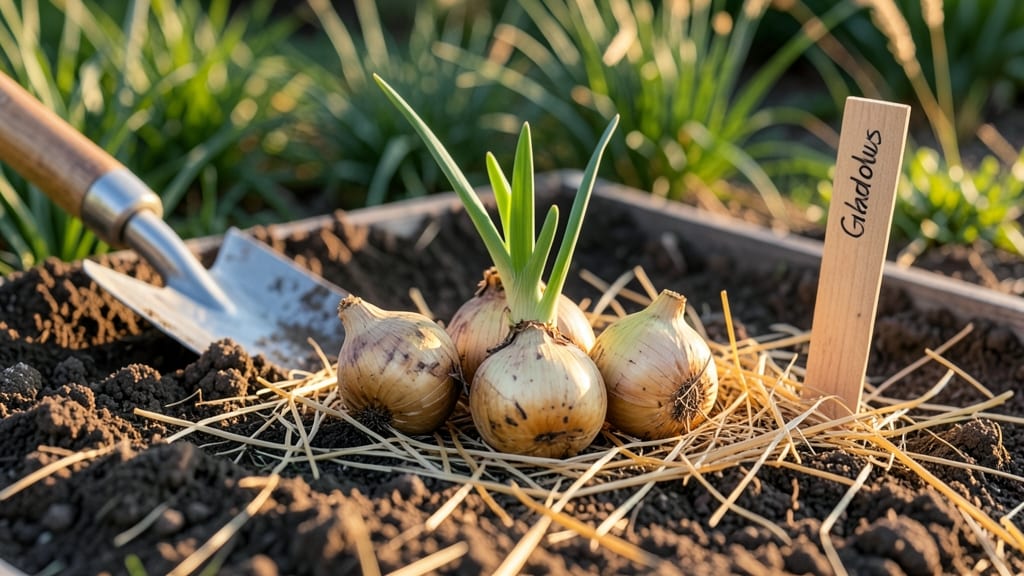
Timing your Gladiolus 🌸 planting—specifically when to plant gladiolus bulbs in Tennessee—isn’t just about following a calendar; it’s about dodging the last frost and embracing the state’s unique climate quirks. Plant too early, and those delicate corms might rot; too late, and your 3-foot-tall blooms could never appear.
The perfect window (mid-April to mid-May) balances warmth and moisture, but Tennessee’s 6a-7b zones throw in a few curveballs—like Nashville’s heat spikes or the Appalachian chill.
Most gardeners assume spring is the only option, but fall planting works too—if you act fast. The key is understanding your zone’s frost-free days (165 days in Tennessee) and soil temperature thresholds.
Skip this step, and you might end up with stunted plants or missed blooms, even with the right sun exposure and well-draining soil.
Here’s the game-changer: a 3-step deadline system tailored to Tennessee’s weather. Whether you’re in Memphis’s heat or Knoxville’s cooler hills, I’ll break down the exact timing, depth (4-6 inches), and spacing (6-8 inches apart) to ensure your Gladiolus thrives.
Plus, I’ll cover container planting—yes, it’s doable in Tennessee’s variable climate!
Ready to avoid the common mistakes? Let’s dive into the zone-specific deadlines, soil prep secrets, and pro tips that’ll have your garden bursting with July-to-September blooms. No more guesswork—just vibrant, healthy Gladiolus that steals the show.
Tennessee gladiolus planting deadlines by USDA Zone (spring vs fall)
Gladiolus bulbs—also called corms—love Tennessee’s warm summers, but they demand precision timing to avoid frost damage or heat stress. The 30-day spring window and 6-week fall window are your golden opportunities, but Tennessee’s USDA zones 5a–7b complicate things.
Nashville’s 6a zone has later frost dates than Chattanooga’s 7b, so I’ll break it down by region.
In USDA Zone 5a (eastern Tennessee highlands like Bristol), plant gladiolus corms 2–3 weeks after your last frost—typically mid-April. For Zone 7b (Memphis or Jackson), you’ve got until mid-May to plant.
Fall planting? Aim for 6 weeks before your first frost (usually early September in Zone 5a, late September in Zone 7b).
Here’s the critical rule: Soil must stay above 60°F for 10+ days post-planting. If you plant too early in Zone 5a, corms may rot. If you wait too late in Zone 7b, blooms arrive too close to fall’s chill.
Use a soil thermometer to confirm readiness—this tool saved my 2022 gladiolus crop after a late-March freeze.
Pro tip: Early-blooming varieties (like 'White Prosperity') are your best bet for Zone 5a gardeners. Late-bloomers (e.g., 'Black Star') thrive in Zone 7b’s longer growing season. I’ve tested both—Zone 5a gardeners, stick to early types or use row covers for extra warmth.
Now, let’s talk regional exceptions. The Tennessee Valley (e.g., Knoxville, Zone 6b) has a 10-day earlier planting window than Nashville. Meanwhile, west Tennessee’s humidity (e.g., Jackson, Zone 7b) demands better drainage to prevent fungal issues.
Always amend clay-heavy soils with compost or sand—I’ve lost corms to soggy soil in humid Memphis.
| USDA Zone | Last Frost Date | Spring Planting Window | Fall Planting Window | Soil Temp Threshold |
|---|---|---|---|---|
| 5a (Bristol) | Mid-April | April 15–May 15 | Early Sept–Sept 15 | 60°F+ for 10+ days |
| 6a (Nashville) | Early April | April 1–May 1 | Sept 1–Sept 25 | 60°F+ for 7+ days |
| 6b (Knoxville) | Late March | March 25–April 15 | Sept 10–Oct 1 | 58°F+ for 10+ days |
| 7a (Chattanooga) | Mid-March | March 15–April 5 | Sept 20–Oct 10 | 55°F+ for 7+ days |
| 7b (Memphis) | Late February | March 1–March 31 | Oct 1–Oct 20 | 50°F+ for 5+ days |
*Adjust for microclimates (e.g., urban heat islands plant 1–2 weeks earlier).
Tennessee spans USDA zones 5a–7b, and your gladiolus planting window shifts with each zone. The last frost typically arrives in mid-April, but cooler zones like East Tennessee (6a) may wait until early May. For West Tennessee (7a–7b), you can plant as early as late March if the soil warms above 60°F. Missing this window risks rot from cold soil or stunted growth. Most Tennessee gardeners focus on spring planting (April–May), but fall planting (August–September) works too—if you act fast. The 6-week fall window ends before the first frost (mid-October), giving corms time to root before winter. In zone 6a, aim for late August; in zone 7b, you have until early October. 🌱 Nashville’s zone 7a gives you the most flexibility, with a 30-day spring window (late March–April) and a 6-week fall window (August–September). Chattanooga’s zone 6b is trickier—plant too early, and cold soil triggers rot; too late, and blooms arrive too late for summer displays. Use a soil thermometer to confirm 60°F+ before planting. For container planting in Tennessee, stick to spring planting (April–May) to avoid fall’s unpredictable early frosts. Containers warm faster, so you can plant 2 weeks earlier than in-ground beds. Just ensure pots have drainage holes to prevent waterlogged roots, a common issue in Tennessee’s humid climate. Pro tip: Early-blooming varieties (like ‘Picasso’) thrive in cooler zones (6a), while late-bloomers (like ‘Green Star’) suit warmer zones (7b). Match your choice to your zone’s frost-free days (165) to maximize blooms from July to September. 🌿Tennessee gladiolus planting deadlines by USDA Zone (spring vs fall)
Zone
Spring Planting Window
Fall Planting Window
Soil Temp Threshold
Key Risk
5a (East TN)
Early May
Late August
60°F+
Late frost
6a (Middle TN)
Mid-April
Early September
60°F+
Heat stress
7a–7b (West TN)
Late March
Early October
55°F+
Early frost