
Plants
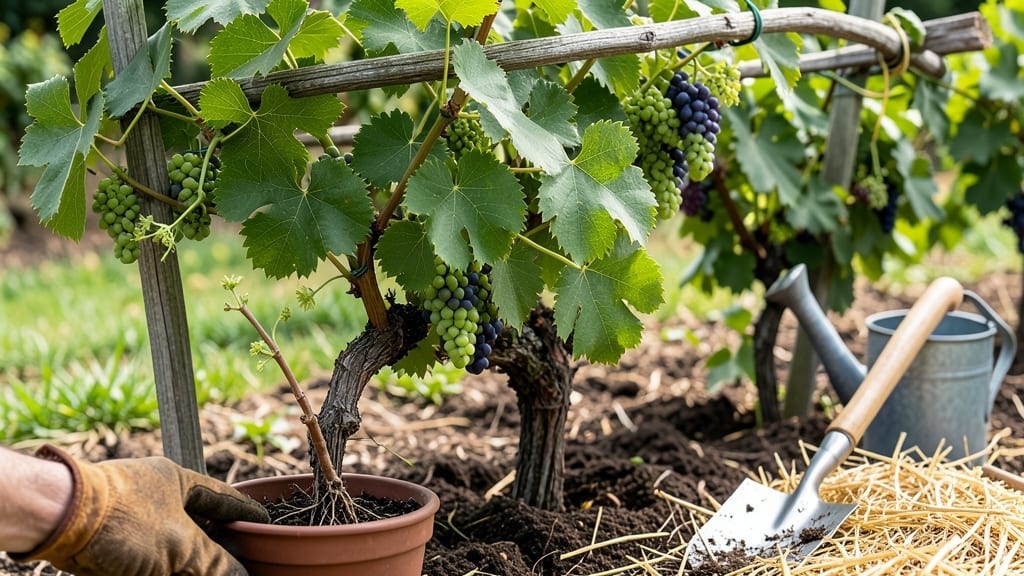
Timing is everything when it comes to planting grapes in Arizona—get it wrong, and your 🍇 vines might never recover from the heat. The key to success lies in understanding your local microclimate, whether you're in the low desert's 110°F summers or the slightly cooler high desert regions.
Most Arizona gardeners swear by planting bare-root vines between November and February, when temperatures are mild and the risk of frost has passed. This window gives young roots time to establish before the brutal summer sun arrives, setting the stage for a thriving vineyard.
But here's the catch: not all grape varieties handle Arizona's extremes the same way. Some thrive in the intense desert sun, while others need extra care to avoid sunburn. I'll break down the best planting strategies for your specific zone, plus watering tips that could make or break your harvest.
Ready to transform your backyard into a productive grape-growing zone? Let's dive into the exact steps you need to follow for a reliable harvest—no guesswork required.
Arizona’s best grapes for heat zones: matching varieties to planting windows
Arizona’s USDA zones 9-11 demand grape varieties that can handle 110°F+ temperatures while still producing sweet, flavorful fruit. The wrong choice? Your vines might wilt before fruiting. Let’s match the best heat-tolerant grapes to Arizona’s ideal planting windows—winter for bare-root vines, early spring for potted varieties.
First, Thompson Seedless and Flame Seedless are top picks for Arizona’s low desert (Phoenix, Tucson). These varieties thrive in full sun and well-draining soil, making them perfect for November–February planting when soil temps are cooler.
In high desert areas (Flagstaff, Prescott), Concord and Muscadine handle cooler nights better but still need March–April planting to avoid spring frost.
Here’s the key: Plant bare-root vines 4–6 weeks before bud break (typically late winter). Potted grapes can go in slightly later (March–April), but avoid summer planting—your vines will suffer heat shock and struggle to establish roots before monsoon season hits.
🌱
Pro tip: Test your soil’s pH (aim for 6.0–7.0) before planting. Arizona’s alkaline soils often need sulfur or peat moss to adjust pH. Amend with compost to improve drainage—grapes hate soggy roots but need moisture during establishment.
For container growing, choose 5-gallon pots with drainage holes and well-draining cactus/succulent mix. Move pots to partial shade during 100°F+ days to prevent sunburn on new growth. Dwarf varieties like Autumn Royal work well in containers but still need full sun exposure.
💧
One common mistake? Planting too late in spring. By May, Arizona’s heat can stress young vines before they’ve built root systems. If you miss the November–February window, opt for potted grapes in March and acclimate them gradually to outdoor temps over 2–3 weeks.
Finally, trellis placement matters. Install a 4–6 ft tall trellis facing south to maximize sun exposure. Train vines upward to improve airflow and reduce fungal diseases like powdery mildew—a common issue in Arizona’s high humidity during monsoon season.
✂️
Step-by-step Arizona grape planting calendar: avoiding summer’s deadly heat
Arizona’s planting window for grapes is narrow but critical—aim to get your vines in the ground between November and February. This timeline ensures roots establish before the 100°F+ summers arrive, when young plants can’t handle the stress. I’ve broken it down month-by-month so you never miss a deadline.
For bare-root vines, the sweet spot is December through early February. These dormant plants wake up slower in cooler temps, giving roots time to spread without competing with rapid top growth. If you’re using container-grown grapes, March is your last chance—after that, the heat becomes too intense.
Soil prep: Test pH (6.0–7.0 ideal). Amend with compost and coarse sand for drainage.
Plant bare-root vines in well-drained soil. Space 6–8 feet apart for trellis support.
Install trellis and prune suckers. Water deeply 2–3 times/week until buds break.
Transplant potted grapes. Use shade cloth (30–50%) for first 2 weeks to acclimate.
New plants risk heat stress or sunburn. Wait until next winter if planting late.
Pro tip: If you’re in high-desert areas (e.g., Flagstaff), push planting to March—cooler nights reduce frost risk. But low-desert zones like Phoenix? Stick to November–January or risk vines wilting before they take root.
Watch for sudden temperature swings in late winter. A cold snap after warm days can shock young vines. Protect them with frost blankets if temps drop below 30°F. Mulch heavily with straw to insulate roots and retain moisture during Arizona’s unpredictable springs.
Once established, your grapes will reward you with summer shade and fall harvests. But timing is everything—miss this window, and you’ll be fighting the heat instead of enjoying the fruit. 🍇