
Companion Plants
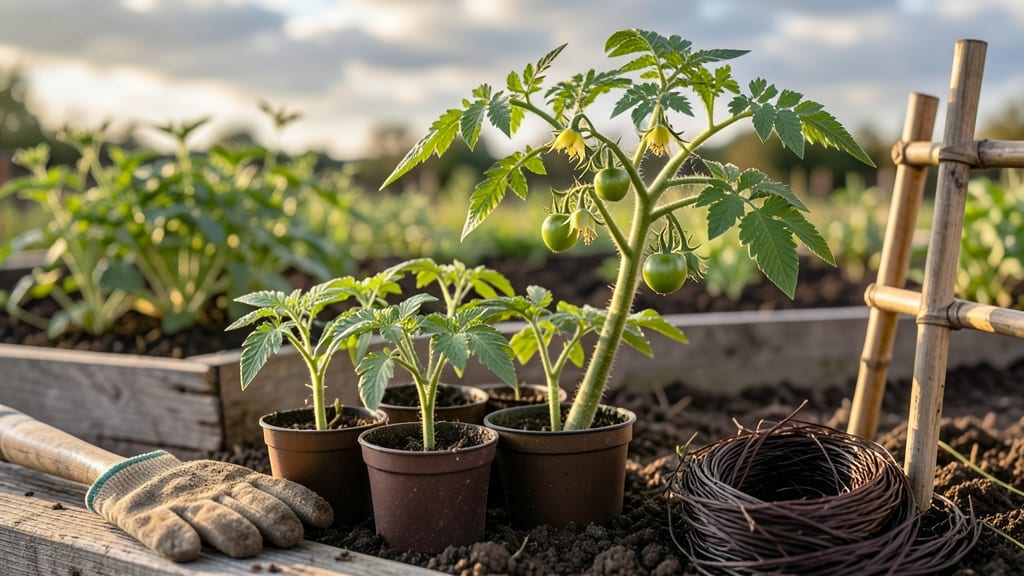
If you’re dreaming of a bountiful 🍅 tomato harvest in Florida, the question when can I plant tomatoes in Florida is critical—but getting it wrong can mean blight, stunted growth, or even lost crops.
Unlike northern states, Florida’s frost-free climate lets you plant year-round, but heat spikes and humidity create their own challenges.
The key to success? Staggered planting between January and November, avoiding the brutal summer heat when seedlings struggle. I’ll break down the best months for your county, whether you’re in North Florida’s cooler pockets or South Florida’s tropical zones—plus how to beat common pitfalls like fungal diseases.
You’ll discover when to start seeds indoors, how to harden off transplants, and which varieties thrive in Florida’s short-day conditions. Ready to grow juicier, healthier tomatoes with minimal stress? Let’s dive into the perfect planting schedule for your garden.
No more guessing—just science-backed deadlines and pro tips to turn your Florida garden into a tomato powerhouse. Your first harvest could be just 60 days away!
Florida’s frost-free tomato planting deadlines by county: interactive map & key dates
Florida’s unique climate—spanning USDA Zones 9a-11—means tomatoes can grow year-round, but timing still matters. Unlike northern states, Florida’s frost-free windows are endless, but heat and humidity create their own challenges.
Planting too early in North Florida risks fungal diseases, while South Florida gardeners must avoid summer’s scorching heat. Let’s break down the optimal planting windows by region to maximize your harvest.
Most Florida counties have no frost risk, but microclimates vary dramatically. For example, Jacksonville (Zone 8b) in North Florida faces occasional light frosts, while Miami (Zone 11) enjoys balmy winters.
Even within a single county, urban heat islands can raise soil temperatures by 10°F or more, altering planting schedules. Use the table below as your guide, then adjust based on your specific local heat zone and soil conditions.
📌 Pro Tip: Florida’s ideal soil temperature for tomato seeds is 70-85°F. In cooler months (Dec-Feb), use black plastic mulch or cold frames to warm the soil before planting.
| Region | Best Planting Windows | Avoid Planting | Key Risks |
|---|---|---|---|
| North Florida (Panhandle, Gainesville, Ocala) | Jan-Feb, Sept-Oct (avoid May-July) | Late spring (April-May) | Early blight, frost (rare but possible) |
| Central Florida (Orlando, Tampa, Lakeland) | Aug-Sept, Jan-Feb (year-round with succession) | June-August (peak heat) | Sunscald, whiteflies, overwatering stress |
| South Florida (Miami, Fort Lauderdale, Key West) | Year-round (stagger every 4-6 weeks) | None (but avoid Dec-Jan if extreme heat waves) | Fungal diseases (high humidity), nutrient burnout |
| Urban Heat Islands (Miami, Orlando, Jacksonville) | Sept-Oct, Feb-March (soil cools at night) | April-June (soil temps exceed 90°F) | Root stress, blossom drop |
🌡️ Soil Temp Tip: Use a soil thermometer—ideal range is 70-85°F for germination.
For North Florida gardeners, the Jan-Feb window is critical—planting too early risks early blight, while waiting too long means missing the spring harvest peak. In Central Florida, August-September is prime for fall tomatoes, but succession planting every 2-3 weeks ensures continuous yields.
Meanwhile, South Florida growers can plant year-round, but staggered plantings prevent overcrowding and disease spread.
If you’re in a transition zone (e.g., Lakeland or Ocala), monitor weekly highs. When daytime temps exceed 90°F for more than 3 days, pause planting to avoid transplant shock. Instead, focus on seedling care indoors or container growing, which lets you control soil temperature with shade cloth.
🌱 Variety Matters: Heat-tolerant varieties like ‘Solar Fire’ or ‘Heatmaster’ thrive in Florida’s summer, while ‘Celebrity’ or ‘Mountain Merit’ excel in cooler months. Check your local extension office for county-specific recommendations.
For container growers, timing shifts slightly—black pots absorb heat faster, so plant 2-3 weeks later than in-ground to avoid overheating. Use self-watering containers with 50% organic potting mix to retain moisture during Florida’s dry spells.
In coastal areas, salt tolerance becomes a factor; amend soil with compost to improve drainage and reduce salinity stress.
Remember: Florida’s humidity (80-90%) accelerates fungal growth. Always water at soil level (not overhead) and prune lower leaves to improve airflow. For organic growers, apply copper fungicide preventatively in spring and fall.
🌿 Final Tip: Bookmark your local county extension service’s frost map—even Florida’s rare frosts can catch gardeners off guard in North Florida’s higher elevations.
How to adjust planting times for Florida’s microclimates: heat zones, soil prep & variety choices
Florida’s microclimates can vary dramatically—even within a single county. Urban heat islands in cities like Miami or Tampa can be 10°F hotter than nearby rural areas, while coastal regions like Fort Myers experience more humidity.
These differences mean your planting timeline should adapt based on where you live and your garden’s specific conditions.
For example, North Florida (e.g., Jacksonville or Gainesville) can handle early spring plantings as early as January, while South Florida (e.g., Key West) might need to wait until February to avoid heat stress.
Even inland areas like Orlando or Lakeland benefit from staggered plantings to avoid the brutal summer heat.
Here’s how to tailor your tomato planting schedule to Florida’s unique zones, plus the best varieties for each microclimate:
Regardless of your zone, soil temperature is critical. Tomatoes thrive when soil is at least 60°F. In Florida, this is rarely an issue, but cooler winter months in North Florida may require waiting until soil warms naturally or using black plastic mulch to speed up heating.
For container gardening, choose determinate varieties like ‘Roma’ or ‘Patio’, which are better suited to pots and can be moved to shadier spots during peak heat. If you’re in a coastal area, watch for salt spray damage—mulch with straw or pine needles to protect roots.
Pro tip: Succession planting every 2–3 weeks ensures a continuous harvest. For example, plant a batch in February, another in June, and a final one in September to enjoy tomatoes year-round without gaps.