
Plants
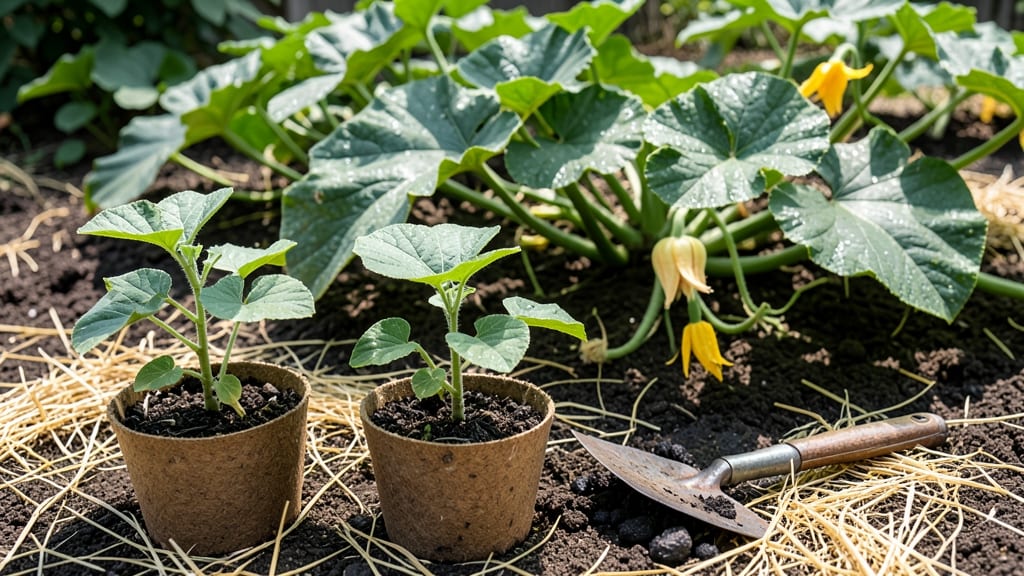
If you're wondering when should you plant pumpkins in Ohio, timing is everything—especially when Ohio’s unpredictable spring weather can turn a great harvest into a gamble. The 🎃 season starts earlier than you think, but getting it wrong means frost-nipped seedlings or pumpkins that never mature.
With Ohio’s USDA Zone 6a climate, you’ve got a narrow window to plant pumpkins for a bountiful fall harvest, and missing it could leave you scrambling for store-bought gourds.
Most Ohio gardeners swear by planting pumpkins between mid-April and early June, once the soil warms to at least 60°F and the last frost has passed (usually around April 15). But here’s the catch: Ohio’s microclimates mean your neighbor’s perfect timing might not work for you.
Whether you’re growing pie pumpkins or jack-o’-lanterns, knowing the right variety and adjusting for early or late springs can make all the difference between a thriving patch and a disappointment.
In this guide, I’ll break down the exact planting timeline for Ohio’s zones, the best pumpkin varieties for your climate, and pro tips to extend your growing season—so you can avoid common mistakes and enjoy homegrown pumpkins from late September to October.
Let’s get those seeds in the ground at the perfect moment!
From soil prep to frost dates, you’ll discover how to give your pumpkins the best possible start, no matter where in Ohio you’re gardening. Ready to grow pumpkins like a local? Let’s dive in.
Ohio pumpkin planting dates by hardiness zone (USDA 5-7)
Ohio’s USDA hardiness zones 5-7 create a 14-day window for planting pumpkins, but timing varies by region. Northern Ohio (zone 5) has a shorter growing season than southern Ohio (zone 7), so you’ll need to adjust planting dates accordingly.
The key is waiting until the soil temperature reaches 60°F+ and the last frost date has passed.
For most of Ohio, this means mid-April to early June—but don’t rush! Pumpkin seeds won’t germinate in cold soil, and frost will kill young seedlings. If you’re in zone 6a (central Ohio), aim for late April to mid-May for the best balance between frost risk and harvest timing.
Southern Ohio gardeners in zone 7 can start as early as early April in protected microclimates.
Here’s the critical timeline for Ohio pumpkin planting:
| Zone | Last Frost Date | Ideal Planting Window | Soil Temp Requirement | Notes |
|---|---|---|---|---|
| 5 | Mid-May | Late May to early June | 60°F+ | Start seeds indoors in April for earlier harvest. |
| 6a | Early May | Mid-April to late May | 60°F+ | Use row covers for early April plantings. |
| 7 | Mid-April | Early April to early May | 60°F+ | Longer season allows for earlier starts. |
If you’re starting seeds indoors, begin 4-6 weeks before your target outdoor planting date. Ohio’s short growing season (about 165 frost-free days) means you’ll need fast-maturing varieties (75-90 days to harvest) for northern zones.
For example, Sugar Pie (80 days) is a great choice for zone 5, while Howden (100 days) works better in zone 7.
Pro tip: Use a soil thermometer to confirm soil temps. Pumpkin seeds won’t sprout below 60°F, and waiting a few extra days for warm soil can save you from rotten seeds or slow germination.
In my zone 6a garden, I’ve found that planting in late May gives me a 90% success rate for large pumpkins, even with Ohio’s unpredictable weather.
For direct sowing outdoors, wait until nighttime temperatures stay above 55°F. If you’re in doubt, use biodegradable seed starter pots to transplant seedlings later if frost threatens.
This two-step method gives you flexibility to adjust for Ohio’s late spring frosts, which can occur as late as May 10th in some years.
Another trick I’ve used is planting through black plastic mulch. This warms the soil faster and suppresses weeds, giving your pumpkins a head start. Just be sure to cut X-shaped holes in the plastic for planting and remove it after germination to avoid overheating the soil.
Remember, Ohio’s first frost typically arrives around October 15th, so you’ll need to harvest pumpkins before then unless you’re growing winter squash varieties that tolerate cooler temps. For jack-o’-lantern pumpkins, aim to plant by mid-May to ensure they’re ready by Halloween!
🎃
Best pumpkin varieties for Ohio’s climate & their ideal planting windows
Ohio’s short but sweet growing season means choosing the right pumpkin varieties can mean the difference between a bumper crop and a disappointing harvest.
Not all pumpkins thrive in Ohio’s USDA Zones 5-7, so I’ve narrowed down the best options that mature quickly enough to avoid early frost while still delivering great flavor and size.
For Ohio gardeners, Sugar Pie and Howden are top picks—they mature in 85-90 days, perfect for our 165-day frost-free window. These varieties also handle Ohio’s humid summers better than delicate heirlooms.
If you’re growing for jack-o’-lanterns, Cinderella and Jack Be Little are great choices, maturing in 90-100 days with disease resistance.
Here’s how to match varieties to Ohio’s planting windows for maximum success:
| Variety | Days to Maturity | Best Planting Window | Ohio Adaptability |
|---|---|---|---|
| Sugar Pie | 85-90 | Mid-April to early May | Excellent (disease-resistant) |
| Howden | 90-100 | Late April to early June | Great for short seasons |
| Cinderella | 90-100 | Late April to early May | Best for carving (smaller size) |
| Jack Be Little | 90-100 | Mid-April to early June | Compact vines (space-saving) |
| Small Sugar | 80-85 | Early April (with row covers) | Fastest for Ohio |
If you’re in northern Ohio (Zone 5), opt for earlier-maturing varieties like Small Sugar (80-85 days) and plant by mid-April to ensure harvest before frost.
Southern Ohio gardeners (Zone 7) have more flexibility and can try longer-season varieties like Mammoth Melon, though they’ll need at least 120 days to mature.
Pro tip: For extended harvest windows, interplant fast-maturing varieties (like Sugar Pie) with medium-season types (like Howden). This way, you’ll have pumpkins ready from late September through October, giving you flexibility for both Halloween decorations and fall pies.
Remember, Ohio’s unpredictable weather means even the best-laid plans can go awry. Always have a backup plan, like row covers for early planting or a greenhouse for starting seeds indoors if spring stays cold.
With the right variety and timing, you’ll be carving jack-o’-lanterns from your own garden in no time! 🎃