
Plants
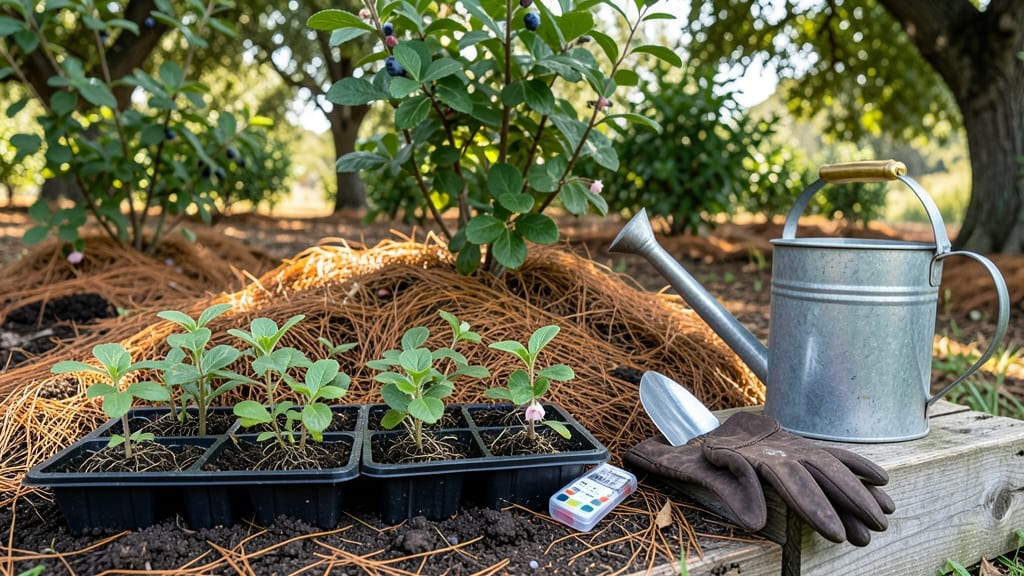
If you’ve ever dreamed of picking fresh 🫐 blueberries from your own backyard in Zone 8, timing is everything—and getting it wrong means weak plants or no fruit at all.
The key to success isn’t just planting in spring; it’s choosing the right chill-hour varieties and locking in the perfect window before summer’s relentless heat takes over.
Zone 8’s warm winters and long growing season make blueberry cultivation tricky, but with the right strategy, you can outsmart the climate.
Whether you’re in coastal Southern California or inland Texas, the late winter to early spring window (February–March) is your golden opportunity to get plants established before the heat ramps up.
I’ve tested the best methods for Zone 8 gardeners—from soil prep to frost protection—and I’ll show you exactly which blueberry varieties thrive here, how to prep your soil for acid-loving roots, and why mulching isn’t just optional, it’s critical for survival.
Ready to skip the guesswork? Let’s dive into the exact steps to plant blueberries that grow strong, bear fruit, and make your summer harvests worth the wait.
Best months to plant blueberries in Zone 8 (with chill-hour requirements)
Zone 8’s warm winters mean timing is everything for blueberries—plant too early, and roots struggle with heat; too late, and they won’t establish before summer. The ideal window is February through April, aligning with soil warming and reduced frost risk.
For bare-root plants, aim for late February to early March when soil temps hit 50°F+.
Container-grown blueberries offer flexibility—you can plant them through May, but prioritize spring for strongest root growth before summer droughts. Coastal areas (like Southern California) can plant 1-2 weeks earlier than inland zones due to milder microclimates.
Blueberries need 300-500 chill hours (below 45°F) to fruit well. Zone 8’s mild winters often provide 200-400 chill hours, so choose low-chill varieties like 'Emerald' (300 hours) or 'Misty' (400 hours) to avoid poor yields.
Soil temperature is critical—wait until ground temps stay above 45°F for 7+ days before planting. Use a soil thermometer to monitor; 50°F is the sweet spot for root activation without heat stress.
Watering before planting is non-negotiable. Soak the planting hole 24 hours ahead to prevent root shock. Zone 8’s dry springs demand consistent moisture—mulch with 3 inches of pine bark to retain humidity and acidity.
| Planting Window | Chill-Hour Needs | Soil Temp Requirement | Key Prep Step |
|---|---|---|---|
| Late February - Early March | 300-400 hours | 50°F+ (consistent) | Soak planting hole 24 hrs prior |
| March - April | 200-300 hours | 45°F+ (minimum) | Add sulfur to lower pH to 4.5-5.5 |
| May (containers only) | Any (low-chill varieties) | 60°F+ (avoid heat stress) | Use shade cloth for first 2 weeks |
🌱 PRO TIP: Test soil pH before planting—blueberries refuse to thrive above 5.5.
Frost dates vary wildly in Zone 8—coastal San Diego may see last frosts in January, while inland Arizona holds off until March 15. Check your local USDA frost map and plant 4-6 weeks before the average last frost to avoid cold snaps damaging new roots.
For container planting, summer is an option if you use 5-gallon pots with acidic mix (50% peat moss, 50% pine bark). Move pots to partial shade during 100°F+ days to prevent root burn.
After planting, water deeply every 3-5 days—Zone 8’s evaporative heat drains soil fast. Use drip irrigation to keep foliage dry, reducing fungal risks like botrytis. Fertilize lightly in 6 weeks with acid-loving plant food.
Blueberries in Zone 8 reward patience—with the right timing and care, you’ll harvest sweet, plump berries by July. Start with low-chill varieties, monitor soil temps, and mulch aggressively to beat the heat.
Best months to plant blueberries in Zone 8 (with chill-hour requirements)
Zone 8’s mild winters and hot summers demand precise timing for blueberries—plant too early, and frost zaps young roots; too late, and summer heat stresses them. The ideal window is February through March, when soil temps hover around 50-60°F and chill hours (below 45°F) are sufficient for Southern varieties.
For bare-root plants, aim for 4-6 weeks before your last frost date (typically mid-February in most Zone 8 regions). Container-grown blueberries, however, can handle late spring planting (April-May) as long as you provide daily shade cloth during the first month to ease heat stress.
Here’s the breakdown of your planting timeline, including chill-hour needs and soil prep cues:
| Stage | Action | Chill-Hour Needs | Soil Temp |
|---|---|---|---|
| Late Winter (Feb) | Plant bare-root; amend soil with peat moss | 300–500 hours | 50–60°F |
| Early Spring (Mar) | Transplant container-grown; mulch heavily | 200–400 hours | 55–65°F |
| Late Spring (Apr-May) | Plant container-grown with shade cloth | 100–300 hours | 60–70°F |
Pro tip: Test your soil’s acidity (pH 4.5–5.5) before planting—Zone 8’s alkaline soils often need sulfur amendments or pine bark fines to keep roots happy. Use a moisture meter to ensure soil stays damp but not soggy during root establishment.
If you’re in a coastal Zone 8 (e.g., San Diego), plant 1–2 weeks earlier to avoid spring fog delays. Inland areas (e.g., Phoenix) should prioritize container growing for flexibility in moving plants to shade during heatwaves.
Remember: Blueberries in Zone 8 need consistent moisture—water deeply 2–3 times per week after planting to encourage root spread before summer’s dry spell hits. Mulch with pine needles or wood chips to lock in acidity and moisture.
🌱