
Plants
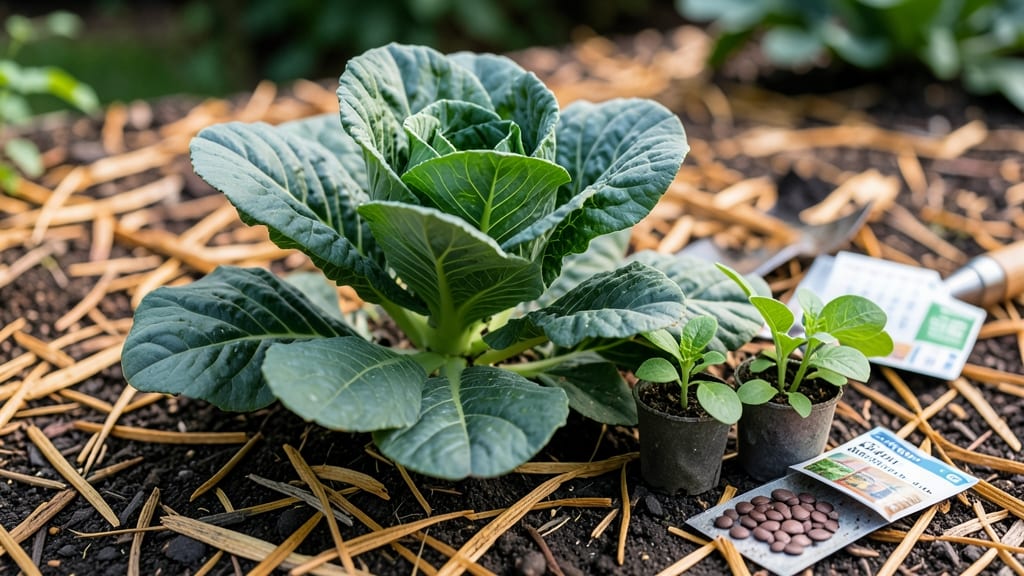
Planting collard greens in Georgia isn’t just about timing—it’s about working with your climate to avoid bitter leaves or frost damage. With USDA zones 7b-8b, you’ve got two prime windows to grow these 🥬 powerhouses, but getting it wrong means sacrificing sweet, tender harvests.
Most gardeners in Georgia swear by fall planting—starting August 1–September 15—because cooler weather brings out the best flavors. But spring lovers can still score big with March 15–April 30 plantings, as long as they dodge those pesky late frosts.
The key? Knowing your zone’s last frost date and adjusting your schedule accordingly.
Here’s the game-changer: fall-planted collards often outlast spring crops, giving you harvests well into November. Meanwhile, spring plantings reward patience with a steady supply from May through June. I’ll show you exactly how to maximize both seasons—plus pro tips to stretch your growing window even further.
Ready to grow collards that taste like they came from a Southern grandma’s garden? Let’s break down the best planting strategies for your Georgia zone, so you never miss a harvest again.
Georgia collard green planting calendar by USDA zone (7a-8b)
Georgia’s USDA zones 7a-8b create unique opportunities for growing collard greens, but the key to success lies in understanding your frost dates and microclimate.
In zone 7a, where winters are cooler, you’ll want to adjust your planting windows slightly compared to zone 8b, where mild winters allow for longer growing seasons. Let’s break down the best times to plant for each zone to maximize your harvest.
For zone 7a, which includes areas like Atlanta and north Georgia, the last frost date typically falls around March 15, while the first frost arrives by November 15.
In zone 8b, covering Savannah and coastal areas, you can push your planting windows slightly later, with the last frost around March 1 and first frost closer to November 30. These differences mean your planting schedule should account for 10-14 extra days in zone 8b.
Spring planting in Georgia should begin 4-6 weeks before your last frost date. For zone 7a, this means starting seeds indoors around February 15 and transplanting outdoors by March 15. In zone 8b, you can start seeds as late as March 1 and transplant by March 30. This timing ensures your collards mature before Georgia’s summer heat causes bolting.
Fall planting is often more successful for collards in Georgia because cooler temperatures enhance their sweetness and tenderness. Aim to plant 6-8 weeks before your first frost date. In zone 7a, this translates to August 15-September 1, while zone 8b gardeners can plant until September 15. Fall-planted collards will thrive through October and November, often surviving light frosts to provide a winter harvest.
Here’s a quick reference table to help you visualize the best planting windows for your USDA zone and season:
| Zone | Season | Planting Window | Harvest Window |
|---|---|---|---|
| 7a | Spring | March 15–April 30 | May–June |
| 7a | Fall | August 15–September 1 | October–November |
| 8b | Spring | March 1–April 30 | May–June |
| 8b | Fall | August 1–September 15 | October–December |
If you’re in transition zones or areas with microclimates, like valleys or urban heat islands, you might experience earlier last frosts or later first frosts. For example, Mountain City (zone 7a) may need to plant collards 2 weeks earlier than Athens (zone 7b).
Always check your local cooperative extension service for precise frost dates tailored to your specific location.
Another critical factor is soil temperature. Collard seeds germinate best in soil that’s at least 45°F (7°C). In Georgia, soil typically reaches this temperature by mid-March in zone 8b and by late March in zone 7a.
If you’re planting in early spring, consider using black plastic mulch or a cold frame to warm the soil faster and give your seeds a head start.
For direct sowing, plant seeds ½ inch deep and 1 inch apart, thinning seedlings to 12-18 inches apart as they grow. If you’re transplanting seedlings, choose healthy, 4-6 week old plants and harden them off for 5-7 days before setting them in the garden.
This gradual transition helps them adapt to Georgia’s variable weather.
Remember, collard greens are cold-hardy and can tolerate light frosts, but heavy freezes (below 20°F/-7°C) will damage them. In zone 7a, where winters can be colder, use row covers or mulch to protect your plants during unexpected cold snaps.
With the right timing and care, you’ll enjoy a bountiful harvest of sweet, tender collards all season long.
🥬
Fall vs. spring planting: which offers better yields in Georgia?
Georgia gardeners have two prime windows for planting collard greens: early spring and fall. But which season delivers sweeter, more abundant harvests?
Let’s break down the pros and cons based on Georgia’s unique climate—where USDA zones 7a-8b create microclimates with early frosts in the north and milder winters in the south.
Fall planting often yields hardier, sweeter leaves because cooler temperatures reduce bitterness. Plus, Georgia’s first frost typically arrives November 15, giving you a long harvest window. Spring planting, however, offers longer growing seasons before summer heat sets in, but pests like aphids can become more aggressive.
Here’s a quick comparison to help you decide:
For USDA zone 7a (e.g., Atlanta), aim to plant fall collards by September 15 to avoid early frosts. In zone 8b (e.g., Savannah), you can push it to October 15 for even later harvests. Spring plantings should wait until after March 15 (average last frost date) to avoid stunted growth.
Pro tip: If you’re torn, try both! Many Georgia gardeners plant a small fall batch in August and a larger spring batch in March for continuous harvests. Just watch for aphids in spring—neem oil is your best friend for organic control.
🌱