
Trees
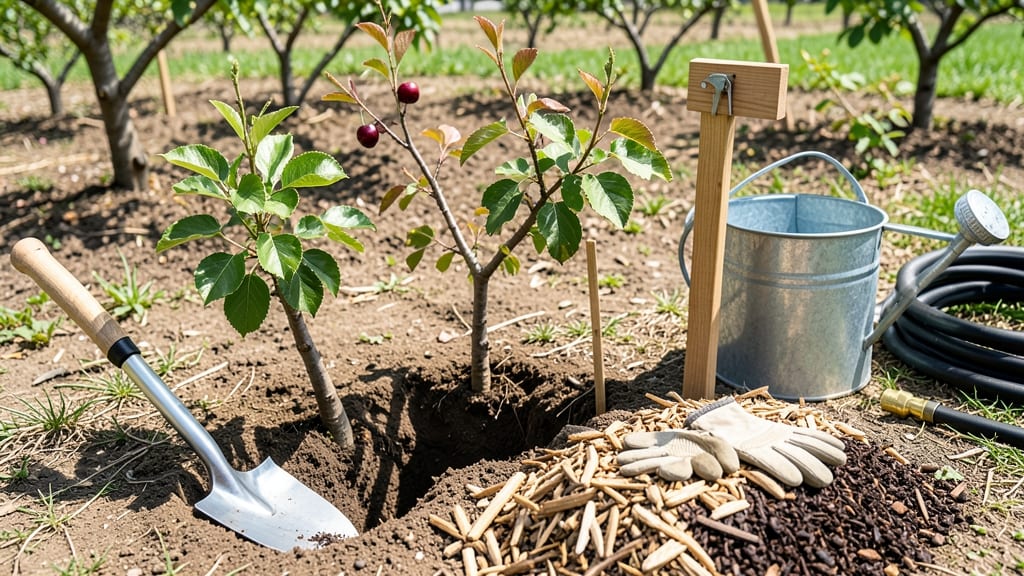
Planting fruit trees 🍎🍒🍑 in Washington State at the wrong time could mean the difference between a bountiful harvest and years of disappointment.
The state’s unique chill-hour requirements and shifting frost patterns make timing everything—especially when you’re investing in varieties like apples, cherries, or peaches that need just the right conditions to thrive.
If you’ve ever wondered why some orchards in Western WA flourish while others in Eastern WA struggle, the answer lies in understanding your specific USDA zone (5b-9a) and frost-free dates.
Late winter to early spring (February–April) is the classic window, but fall (September–October) can also work if you’re planting container-grown trees or adjusting for microclimates like Seattle’s urban heat islands or the Columbia Basin’s rain shadows.
I’ll break down exactly when to plant based on your location, which fruit varieties suit your climate, and how to prepare your soil for maximum success. No more guessing—just data-driven timing to set your trees up for a thriving orchard from day one.
Ready to turn your backyard into a productive fruit haven? Let’s dive into the perfect planting schedule for Washington’s diverse growing zones—so you can enjoy homegrown apples, cherries, and peaches in just a few seasons.
Washington State fruit tree planting dates by chill-hour zones
Washington State’s diverse climate—from the mild coastal regions to the cold inland valleys—means fruit trees need careful timing to thrive. The key factor? Chill hours, the number of hours below 45°F (7°C) your tree needs to produce fruit.
Get this wrong, and your peaches might bloom too early or your apples fail to set fruit.
Western Washington’s USDA Zones 7b-9a offer 200-1,000+ chill hours, while Eastern WA’s Zones 5b-7a range from 500-1,000 chill hours. Matching your tree to your zone ensures blooming success and fruit production.
For example, low-chill varieties like peaches (300-500 hours) struggle in Eastern WA, while high-chill apples (800-1,000 hours) may not bloom in Western WA.
Here’s a quick reference for planting windows based on chill-hour zones and frost-free dates, tailored to Washington’s regions:
| Region | Chill-Hour Zone | Best Planting Window | Frost-Free Date | Ideal Varieties |
|---|---|---|---|---|
| Western WA (Seattle, Olympia) | 7b-9a (200-500) | Late Feb - Early April | April 1 - May 1 | Peaches, Nectarines, 'Gala' Apples |
| Eastern WA (Spokane, Wenatchee) | 5b-7a (500-1,000) | Late March - Mid-April | May 1 - June 1 | Apples, Cherries, Plums |
| Columbia Basin (Yakima, Pasco) | 6a-7b (600-900) | Early April - Early May | May 15 - June 10 | Apples, Pears, Sweet Cherries |
| Coastal (Bellingham, Aberdeen) | 8a-9a (300-600) | Late Feb - March | March 15 - April 15 | Peaches, Plums, 'Rainier' Cherries |
For bare-root trees, plant as soon as soil is workable (40°F+)—typically late winter to early spring. Container-grown trees can go in fall (September-October) or early spring, giving roots time to establish before summer heat.
In Eastern WA, wait until after the last frost (usually May 15) to avoid late-spring frosts damaging blossoms.
Pro tip: Use a soil thermometer to confirm 50°F+ soil temps before planting. Cold soil can stunt root growth, even if air temps are mild. In Western WA, where winters are wet, plant in dry spells to prevent waterlogged soil, which can suffocate roots.
Fall planting (September-October) works well for container-grown trees in mild climates like Western WA. Trees planted in fall have 6-8 weeks to establish roots before winter dormancy. Just avoid planting when soil temps drop below 40°F, as roots won’t grow.
If you’re in a transition zone
How to adjust planting timing for Washington’s microclimates
Washington State’s diverse geography means your fruit tree planting timing can vary drastically even within a 50-mile radius.
Seattle’s urban heat island effect can delay last frosts by 2-3 weeks compared to nearby rural areas, while the Columbia Basin’s rain shadow creates a 10°F temperature swing in just a few miles.
These microclimates aren’t just theoretical—they directly impact when you should plant your apple trees, cherry trees, or peach trees for maximum success.
For example, if you’re planting in Zone 8a (like Yakima), your last frost might hit May 15, giving you a longer window to transplant bare-root trees in early spring.
But in Zone 7b (like Mount Vernon), frost can linger until April 20, forcing you to adjust your schedule or use row covers for protection. The key is knowing your local frost dates and how they interact with your chosen fruit variety’s chill-hour requirements.
Here’s how to fine-tune your planting schedule based on Washington’s most common microclimates, plus actionable tips to protect young trees from unexpected frost or heat spikes:
Don’t overlook the power of mulching—a 3-inch layer of wood chips or straw can keep soil temps 5–10°F warmer in winter and 5°F cooler in summer.
For high-value trees like cherries, consider installing a drip irrigation system to maintain consistent moisture, which helps trees recover faster from transplant shock in unpredictable microclimates.
If you’re in a transition zone (e.g., near the Cascades or Puget Sound), err on the side of planting later—you can always prune back new growth if your tree gets a head start.
The goal is to give your fruit trees the best possible start, whether you’re battling Seattle’s damp chill or the Columbia Basin’s dry heat. With these adjustments, you’ll be well on your way to a productive orchard that thrives in your specific corner of Washington.