
Plants
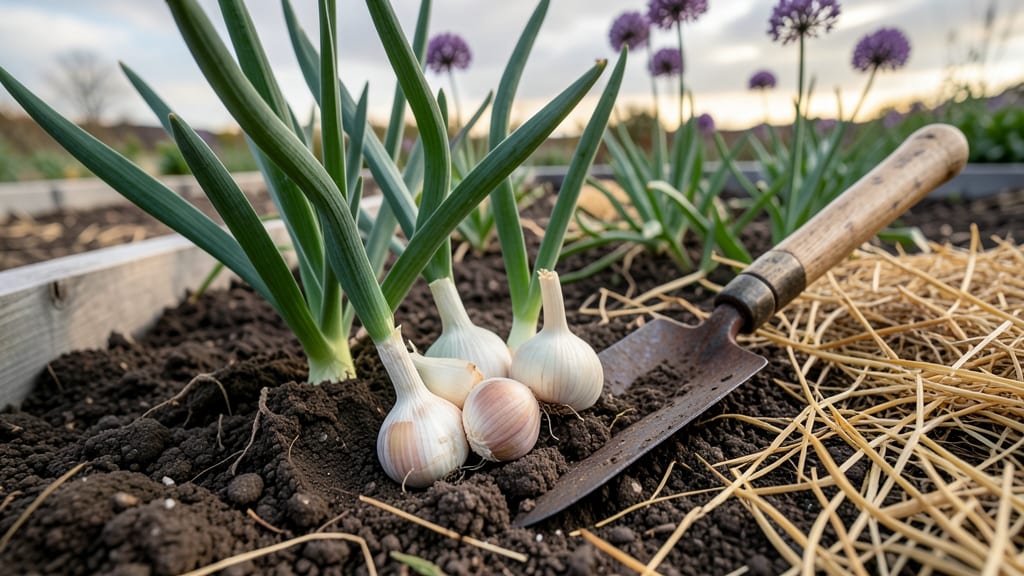
Knowing when to plant garlic in Zone 10a could mean the difference between a bumper crop of plump, flavorful bulbs and a sad, bolting disappointment.
Unlike colder climates where winter dormancy is a must, your mild Zone 10a winters throw a curveball—plant too early, and your 🧄 might bolt before maturing; too late, and you risk stunted growth.
Here’s the secret: timing isn’t just about months—it’s about soil temperatures and microclimates. Coastal areas like San Diego can plant a bit later than inland spots, but both need that 6-week window before active growth kicks in.
I’ll break down the exact schedule, plus how to prep your soil and pick the right varieties to avoid bolting entirely.
You don’t need a green thumb to grow garlic in Zone 10a—just the right strategy. From breaking bulbs to mulching like a pro, I’ll walk you through every step to ensure your garlic thrives in your warm climate. Let’s get those cloves in the ground the right way.
Ready to skip the guesswork? By the end, you’ll know not just when to plant, but how to set your garlic up for a zero-bolt, high-yield harvest—even in your mild-winter zone.
Optimal Zone 10A garlic planting timeline for zero-bolt growth
In Zone 10a, where winters barely dip below 50°F, garlic thrives—but only if planted during the 6-week window that balances cool soil temps and active growth. Unlike northern zones, your garlic won’t need winter dormancy, so timing is everything to prevent bolting (when plants flower prematurely).
The sweet spot? Plant between mid-October and mid-November for a spring harvest, or late January to February if you prefer cooler soil.
Why this window? Soil temps below 65°F trigger root growth without encouraging shoots to bolt. Coastal areas like San Diego can plant up to 2 weeks later than inland spots, thanks to milder microclimates.
Use a soil thermometer to confirm temps are stable below 65°F before planting—this is your best defense against bolting.
Moon phases also play a role. Planting during a waxing moon (when the moon is growing) aligns with garlic’s upward growth pattern, while a waning moon (shrinking) may slow root development. For Zone 10a, aim for the waxing gibbous phase in late October or early January for optimal energy flow.
Here’s the critical timeline to avoid bolting and ensure plump, flavorful bulbs:
If you miss the fall window, don’t panic—Zone 10a’s mild winters allow a second planting in late January. This winter window works because soil temps stay cool enough to prevent bolting while still encouraging root development. Just be prepared to harvest slightly later, in June or early July.
One common mistake in Zone 10a? Planting too early in September. While soil temps may still be warm, garlic needs that cool-down period to establish roots before active growth. Early planting often leads to bolting by spring, ruining your harvest. Stick to the 6-week window for foolproof results.
Pro tip: Use black garlic varieties like ‘Inchelium Red’ or ‘German White’ for Zone 10a—they’re more heat-tolerant and less likely to bolt than standard hardnecks. Pair this with heavy mulching (straw or wood chips) to keep soil temps stable and moisture levels ideal.
By following this timeline, you’ll avoid the heartbreak of bolting and enjoy bold, flavorful garlic straight from your Zone 10a garden. Next up: how to prep your cloves and soil for maximum success—because even the best timing won’t help if your soil isn’t ready.
How to prepare garlic cloves and soil in Zone 10A’s mild climate
Prepping your garlic cloves and soil is the secret weapon against bolting in Zone 10a’s warm winters. Unlike colder zones, your garlic won’t experience natural dormancy, so proper prep ensures roots establish before active growth kicks in.
Start by selecting firm, disease-free bulbs—avoid softnecks from grocery stores (they’re often treated to prevent sprouting) and opt for hardneck varieties from specialty nurseries like Baker Creek or Territorial Seed Co..
Breaking your bulbs correctly is critical. Separate individual cloves from the bulb, ensuring each has a small papery root attached. Discard any damaged or shriveled cloves—they won’t grow well.
For Zone 10a, soak cloves in a 1% hydrogen peroxide solution (1 part peroxide to 9 parts water) for 10 minutes to prevent fungal diseases like white rot, which thrives in warm, moist soils.
Your soil in Zone 10a likely leans toward sandy or loamy, which drains quickly but may lack organic matter. Amend with 3-4 inches of compost or well-rotted manure mixed into the top 12 inches of soil.
Test your pH—garlic prefers 6.0-7.0. If your soil is too acidic, add crushed limestone; if alkaline, mix in sulfur. Zone 10a’s mild winters mean less natural soil improvement, so don’t skip this step.
Too much nitrogen in warm soils can trigger bolting before bulbs mature. Use a balanced 5-10-10 fertilizer sparingly—just 1/4 cup per 10 sq ft at planting. Wait until November or January to apply, and only if your soil tests low in phosphorus.
Drainage is non-negotiable in Zone 10a. If your soil is clay-heavy, mix in coarse sand or perlite to prevent waterlogging, which causes rot. Raised beds are ideal for garlic in this zone—they warm up faster in spring but also drain excess winter rains.
Plant cloves on the north side of the bed to shield them from intense afternoon sun, which can stress young plants.
Mulching is your best friend in Zone 10a. After planting, apply a 3-4 inch layer of straw or wood chips to retain moisture and regulate soil temps. In coastal areas, mulch helps prevent salt spray damage, while inland gardeners use it to shield cloves from sudden temperature swings.
Replenish mulch in January to protect emerging shoots from late-winter warmth.
Finally, mark your planting rows with biodegradable flags or a garden twine grid—Zone 10a’s mild winters mean garlic grows slowly at first, and you’ll want to avoid disturbing young roots. Water lightly after planting to settle the soil, then reduce irrigation until November when active growth begins.
By following these prep steps, you’ll give your garlic the perfect start in your unique climate.
With your cloves and soil prepped, the next step is choosing the right garlic varieties for Zone 10a’s warm winters—because not all garlic is created equal when it comes to heat tolerance. Stay tuned to discover the top 5 bolt-resistant varieties that thrive in your microclimate.