
Trees
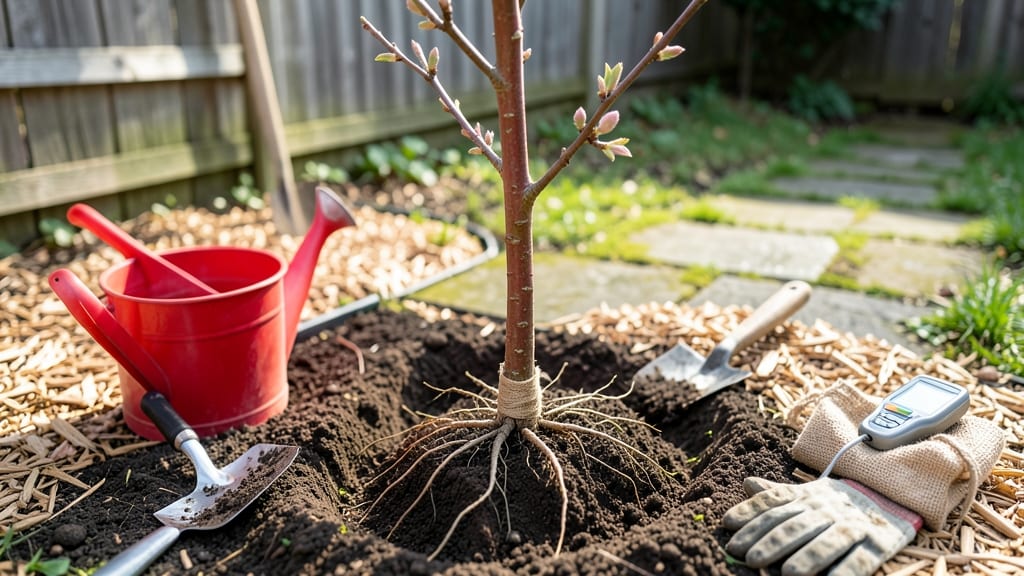
Timing your fruit tree planting in California can make the difference between thriving orchards and struggling saplings—especially when you're dealing with coastal fog or Central Valley heat.
Whether you're dreaming of juicy peaches in Fresno or sweet oranges in Santa Barbara, getting the season right is the key to success.
I’ve seen firsthand how a single wrong week can set back a young tree for months. That’s why I’m sharing the exact windows that work best, tailored to your region’s unique climate.
From the mild winters of Southern California to the frost-prone valleys of Northern California, we’ll break down what you need to know.
You’ll discover how chill-hour requirements for peaches differ from citrus, why soil prep matters more than most gardeners realize, and the three biggest mistakes to avoid when planting. Let’s get your fruit trees off to the best possible start.
Ready to plant with confidence? Let’s dive into the science—and the secrets—that will help your trees grow strong and bear fruit for years to come.
California fruit tree planting calendar by region: coastal vs. Central Valley timing
California's diverse climate means the best planting time for fruit trees varies dramatically from coastal regions to the Central Valley. In Northern California, where winters are cooler, plant in late winter to early spring (February-March) to avoid frost damage.
Meanwhile, Southern California gardeners can plant year-round, but November to February is ideal for minimal stress.
The Central Valley—home to California's famous orchards—has a hotter, drier climate where planting in late winter (January-February) gives trees time to establish roots before summer heat. Coastal areas like San Francisco or Santa Barbara benefit from planting in early spring (March-April) when soil warms but frosts are rare.
Timing isn't just about the calendar—it's about soil temperatures. For most fruit trees, soil should reach at least 60°F (15°C) before planting. In cooler inland valleys, wait until late March or April to avoid root rot from cold, wet soil.
Evergreen trees like citrus or olives are more flexible and can be planted in fall (October-November) in Southern California, but deciduous trees like peaches or apples need that spring window to break dormancy properly.
Here’s how to match your region to the perfect planting window:
| Region | Best Planting Window | Soil Temp Threshold | Key Considerations |
|---|---|---|---|
| Northern California (Cooler) | Late Winter: Feb-Mar | 60°F+ (15°C+) | Avoid frost-prone areas; wait for last frost. |
| Central Valley (Hot/Dry) | Late Winter: Jan-Feb | 55°F+ (13°C+) | Plant before summer heat; mulch heavily. |
| Southern California (Mild) | Fall/Winter: Nov-Feb | 50°F+ (10°C+) | Ideal for citrus/olives; avoid summer planting. |
| Coastal (Moderate) | Early Spring: Mar-Apr | 58°F+ (14°C+) | Watch for coastal fog delays; plant after. |
If you’re in Zone 7-9 (most of California), aim for planting when daytime highs are consistently above 65°F (18°C). This ensures roots establish before summer drought stress kicks in.
For container-grown trees, you can plant slightly later—even into early summer—as long as you water deeply daily for the first month.
Pro tip: Bare-root trees (common in nurseries) should be planted in dormant season (winter), while container-grown trees can go in year-round. Always check the root flare—it should sit just above soil level after planting.
Mistakes like planting too early in cold soil or too late in summer heat can stunt growth. In drought-prone areas, prioritize deep watering over frequent shallow watering to encourage strong root development.
For citrus trees, which are evergreen, fall planting is ideal in Southern California because it allows roots to establish before winter rains. Meanwhile, stone fruits like peaches need that spring window to align with their natural growth cycle.
🌱Chill-hour requirements by fruit tree variety: matching trees to California's climate zones
Chill hours determine whether your peach tree will flower—or just sit there looking sad. In California, where winters range from mild coastal to chilly inland valleys, choosing the right variety is everything. Citrus thrives with almost no chill, while apples need hundreds. Let’s match your climate to the perfect fruit tree.
Northern California’s cooler winters (USDA Zones 7-9) support high-chill varieties like Bing cherries (600+ hours) or Granny Smith apples (500+ hours). Meanwhile, Southern California’s low-chill zones (9-11) demand varieties like Satsuma mandarins (100-250 hours) or Flame nectarines (300-400 hours).
Here’s how to decode chill-hour labels and pick the best varieties for your microclimate:
| Variety | Chill Hours Needed | Best California Regions | Notes |
|---|---|---|---|
| Peach (e.g., Redhaven) | 400-600 | Central Valley, Sierra Foothills | Needs winter chill; avoid coastal areas |
| Plum (e.g., Santa Rosa) | 300-500 | Northern CA, foothills | Drought-tolerant once established |
| Apple (e.g., Gala) | 500-800 | Cooler inland areas | Cross-pollinate with another variety |
| Citrus (e.g., Valencia orange) | 0-250 | Southern CA, coastal areas | Frost-sensitive; protect young trees |
| Fig (e.g., Desert King) | 100-300 | All regions except high desert | Thrives in heat; minimal care needed |
For coastal gardens, skip high-chill trees entirely—opt for low-chill varieties like lemon trees (200-300 hours) or persimmons (200-400 hours). In the Central Valley, where winters are cold but brief, medium-chill varieties (300-500 hours) like plums or apricots shine.
Pro tip: Check the USDA Plant Hardiness Zone Map for your exact location, then cross-reference with chill-hour requirements. Nurseries often label trees with chill-hour ranges—don’t plant a 600-hour peach in a 200-hour zone, or you’ll be waiting forever for fruit.
Once you’ve matched your tree to your climate, the next step is soil prep—but that’s a topic for our next section. For now, bookmark this chart and head to the nursery with confidence!